You've seen it everywhere – in jewelry, on Instagram altars, in spa treatment rooms. Amethyst is the poster child of the crystal world. But what's beneath the surface? The real amethyst properties are a mix of fascinating geology, ancient tradition, and modern-day wishful thinking. Let's cut through the noise.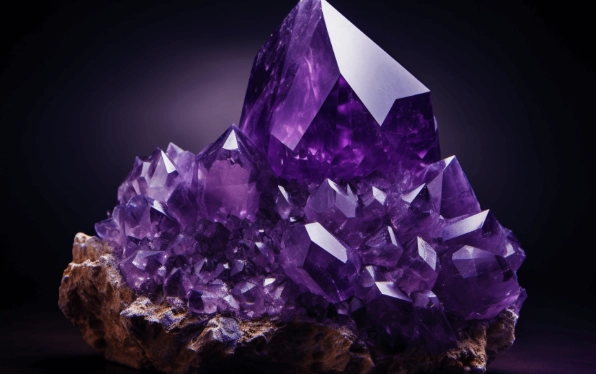
I've worked with stones for over a decade, and I've seen the same mistakes repeated. People buy a cheap, dyed piece, stick it on a shelf, and wonder why they don't feel a thing. Or they treat it like a magic pill for anxiety. It doesn't work like that.
This guide is for you if you're curious but skeptical, if you've tried crystals before with mixed results, or if you just want to know what the fuss is about. We'll look at what amethyst actually is, the traditional properties assigned to it, how to use it without feeling silly, and how to spot a fake. No fluff, just usable information.
What's Inside This Guide
What Is Amethyst, Really? (The Science Bit)
First things first, amethyst is quartz. Silicon dioxide. The same stuff as clear rock crystal or smoky quartz. Its iconic purple color comes from trace amounts of iron and natural irradiation inside the earth. The color can range from a pale lilac to a deep, royal purple. The finest, most saturated colors often come from places like Brazil, Uruguay, and Zambia.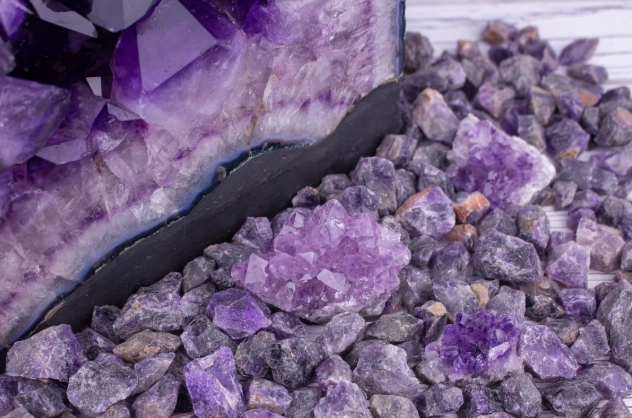
According to the Gemological Institute of America (GIA), the color can fade in direct, prolonged sunlight. That's your first practical tip – don't leave your best piece on a sun-drenched windowsill if you want to keep it purple.
It forms in geodes – those giant, hollow rocks you crack open – and as pointed clusters or single terminated points. The shape matters to some practitioners. A cluster (multiple points) is said to radiate energy throughout a room, while a single point directs energy. Geologically, that's just how the crystals grew. Energetically, it gives you options.
The Core Amethyst Properties & Meanings
Let's talk about the properties everyone searches for. I'll break them down into categories, but remember, these are traditional associations, not FDA-approved medical claims.
Mental & Emotional Properties
This is amethyst's main arena. It's overwhelmingly linked to calming and clarity.
- Stress & Anxiety: This is the big one. The stone is considered a natural tranquilizer. It's not going to replace therapy or medication for clinical anxiety, but holding a cool, smooth piece and focusing on your breath can be a powerful mindfulness anchor. The ritual itself creates the calm.
- Mental Overload: Can't switch off your brain? Amethyst is associated with quieting incessant thoughts. I keep a small cluster on my desk. When my mind is jumping between ten tabs, I'll stop and hold it for a minute. It forces a pause.
- Decision Making: Linked to the crown chakra (the top of the head), it's said to promote clearer, less ego-driven thinking. The idea is to connect to higher wisdom, which in practical terms means getting out of your own way.
A Quick Note on Chakras
If you're into energy systems, amethyst is primarily tied to the third eye (intuition, insight) and crown (spiritual connection) chakras. A blocked crown chakra might feel like disconnection or cynicism. Using amethyst in meditation focused on these areas is a common practice.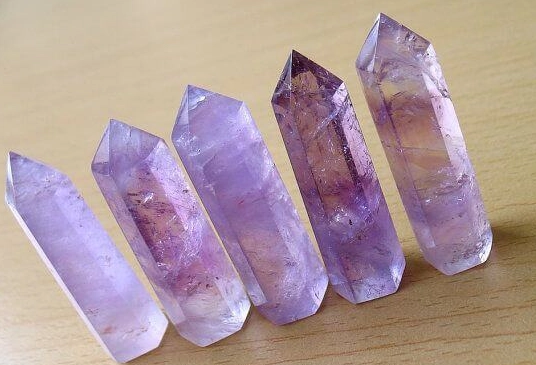
Spiritual & Energetic Properties
This is where it gets interesting for meditators and dreamers.
- Meditation Aid: Placing a stone between your eyebrows or holding it is believed to deepen meditation and enhance intuition. Does it work? It gives your mind a physical point of focus, which absolutely helps prevent distraction.
- Dream Work & Sleep: The ancient Greeks wore it to prevent drunkenness and promote sober sleep. Today, people tuck it under a pillow to encourage vivid, insightful dreams and prevent nightmares. My experience? It sometimes leads to more memorable dreams, but the quality of your sleep hygiene matters more.
- Psychic Protection: A classic property is creating a shield against negative energy. Think of it less like an invisible force field and more like a filter. It's about fostering an inner environment where negativity doesn't stick as easily.
Practical Uses: How to Actually Work With Amethyst
Forget just putting it on a shelf. Here are concrete ways to integrate its properties into your life.
1. For Better Sleep (The Most Common Ask)
Don't just chuck a point under your pillow – it's uncomfortable. Try this instead:
- Place a tumbled stone or small cluster on your nightstand.
- As you lie down, hold it and set a simple intention: "I invite calm and restorative sleep."
- Do five deep breaths, feeling the weight of the stone.
- Place it back. The ritual signals to your brain that it's time to wind down.
2. As a Meditation Anchor
This is where it shines. Sit comfortably, hold the amethyst in your non-dominant hand (your receptive hand). Feel its temperature, its texture. When your mind wanders – and it will – gently bring your attention back to the physical sensation of the stone. It's a tangible, non-judgmental focal point.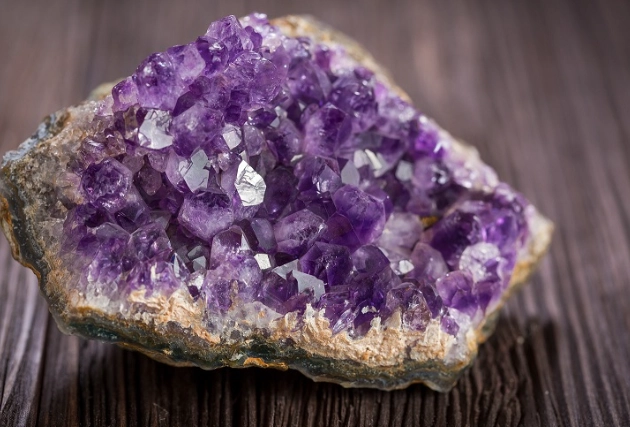
3. Creating a Calm Space
A medium-sized cluster in your living room or home office isn't just decor. Every time you glance at it, it can serve as a visual reminder to breathe and reset. I have one in my office corner. It's my "mental reset button."
4. For Work & Creativity
Stuck on a problem? Keep a piece on your desk. When you hit a mental block, pick it up. The act of engaging with something other than the screen can create the mental space for a new idea to drop in. It breaks the frustration cycle.
Buying Guide: How to Pick a Good Amethyst
The market is flooded with fakes and low-quality stones. Here's how to navigate it.
Color: Look for a reasonably saturated purple. Very pale stones can be weak, but extremely dark, uniform purple can sometimes indicate dye. Natural color is often uneven, with white patches or color zoning.
Clarity & Cut: Tumbled stones should be smooth without major pits. Carved shapes should have crisp details. Points and clusters should look natural, not perfectly symmetrical (that's often glass).
Trust Your Gut (and the Seller): Buy from a reputable source. A good seller will know the origin (e.g., "This cluster is from Uruguay"). Be wary of sellers making outrageous health claims. Price varies hugely based on size, color, and origin. A small tumbled stone can be a few dollars; a large, deep-colored geode can be hundreds.
The Feel Test: A real crystal will feel denser and cooler than glass or plastic. It takes longer to warm up in your hand.
Common Myths & Expert Mistakes to Avoid
After years in this, here are the subtle errors I see even experienced folks make.
Myth 1: It needs "charging" in the moonlight every night. This creates unnecessary work. These are stones that formed over millions of years. They're stable. A monthly cleanse if you use it heavily is plenty. More important is setting your own intention with it.
Mistake: Using it as a passive talisman. The biggest waste is buying amethyst and never interacting with it. The properties are activated through your attention and intention. Pick it up. Hold it. Engage with it.
Myth 2: All amethyst is created equal. A tiny, pale, included chip has a different presence than a large, deep-colored master crystal. You get what you pay for. Start with a decent mid-range piece you feel drawn to, not the cheapest one on the shelf.
The Expert Oversight: Neglecting to physically cleanse it. It can pick up energies from handling, travel, or negative environments. Running it under cool water (check for dye first!), leaving it on a bed of salt, or using smoke from sage or palo santo are common methods. Do what feels right to you.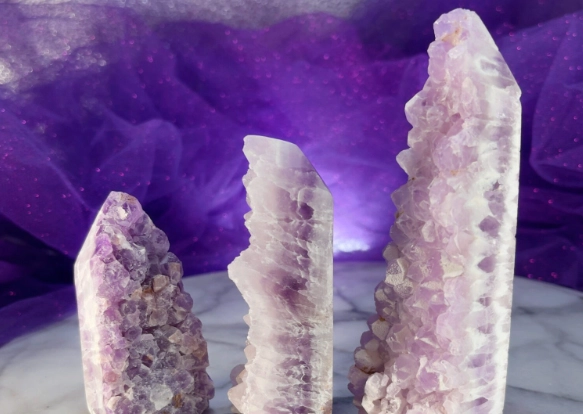
Your Burning Questions Answered
So, there you have it. Amethyst properties are a blend of geology, history, and personal practice. It's not a magic cure-all, but a tool. A beautiful, ancient tool that can help you create moments of pause, intention, and calm in a noisy world.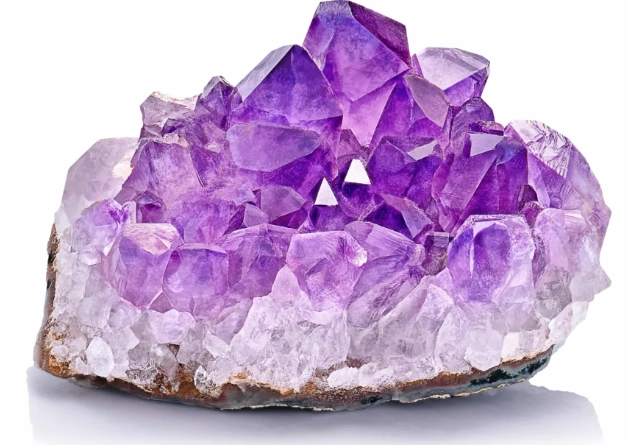
Start simple. Get one stone. Hold it. See what it does for you. That's the only test that really matters.
Related Articles
Green Jasper Benefits: Healing Properties and Practical Uses
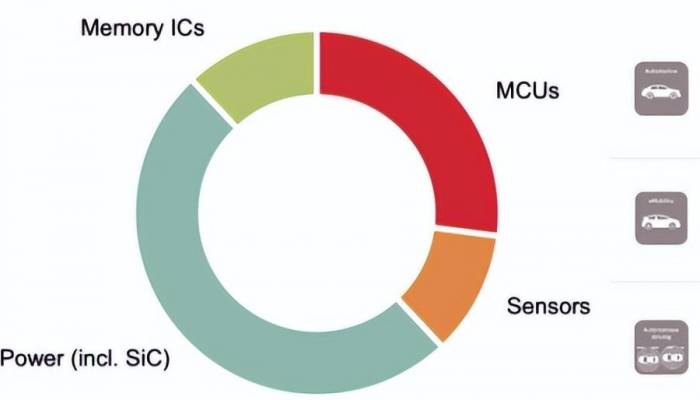
Automotive chip giants are expanding production on a large scale.
Lapis Lazuli Properties: Healing, Spiritual & Physical Guide
Subvert EUV lithography? Don't let ASML be unique and beautiful!