In This Guide
So you're thinking about getting a citrine crystal. Maybe you saw a beautiful piece online, or a friend swears by its ability to bring prosperity and joy. It's everywhere these days, from trendy jewelry stores to wellness influencers' Instagram pages. But then a little doubt creeps in. You start typing into Google... "citrine stone side effects." Is there a catch to this sunny, happy-looking stone? Can something that's supposed to be so good for you actually have downsides?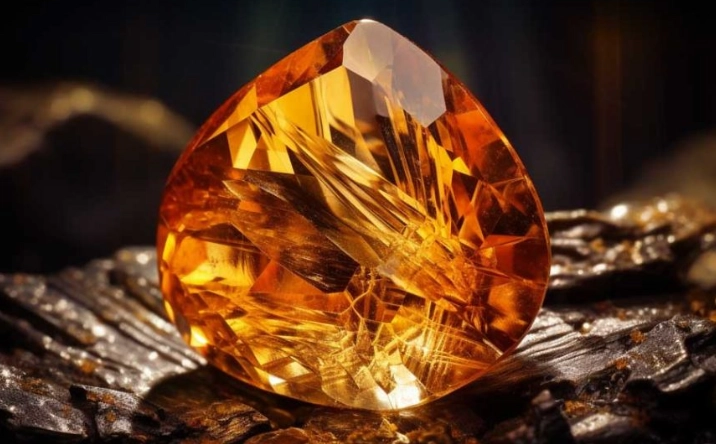
Let's cut through the noise. I've been into crystals for years, and I've seen the hype cycle for citrine go crazy. I've also seen the confusion and worry that comes with it. People hear words like "side effects" and immediately think of medicine, of something harmful. When it comes to crystals, it's not that straightforward. There's a lot of misinformation out there, from overly fearful warnings to reckless promises that ignore basic common sense.
This guide is my attempt to lay it all out for you—the real, practical concerns, the overblown myths, and everything in between. We're going to talk about what citrine actually is, why people are concerned about citrine stone side effects, and most importantly, how to use it safely and effectively. My goal isn't to scare you away from a potentially wonderful tool, but to empower you with knowledge so you can make your own informed choice.
A Quick Reality Check: When we talk about citrine crystal side effects, we're primarily discussing energetic, emotional, or practical user-experience issues, not toxic chemical reactions from holding a piece of quartz. The physical stone itself is largely inert. The "effects" stem from its intended metaphysical use and how individuals interact with it.
First Things First: What Exactly is Citrine?
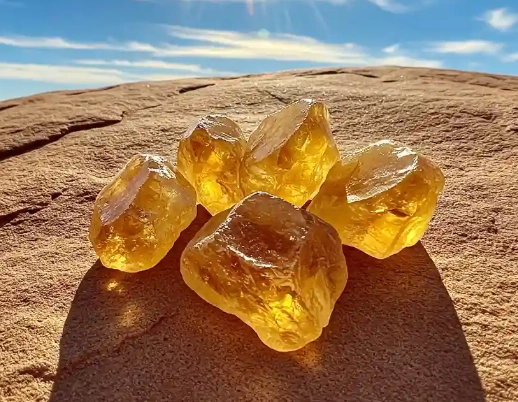
Before we dive into potential citrine side effects, let's get our facts straight on what this stone is. Citrine is a variety of quartz, one of the most abundant minerals on Earth. Its beautiful yellow to orange-brown color traditionally comes from traces of iron within the crystal lattice. That's the natural story.
Here's where it gets tricky—and where a lot of modern confusion about its properties might originate. A huge percentage of the "citrine" sold today, especially in budget-friendly tumblestones and beads, isn't natural citrine at all. It's heat-treated amethyst. Yep, that lovely purple stone, when heated to high temperatures, turns a yellowish-orange. Gemologists can spot the difference (natural citrine often has a paler, more subtle hue), but to the average buyer, they look similar.
Why does this matter for our discussion on citrine stone side effects? Well, some crystal practitioners believe that the energy of heat-treated amethyst-sold-as-citrine is different, possibly more chaotic or less stable, than that of genuine, naturally formed citrine. They argue that this could lead to less predictable experiences for the user. Whether you subscribe to that energetic viewpoint or not, it's a major point of discussion in the community. The Gemological Institute of America (GIA), a leading authority in gemology, provides clear information on citrine's formation and these treatment processes, which is crucial for any buyer to understand.
Metaphysically, citrine is known as the "Merchant's Stone" or the "Stone of Abundance." It's associated with the solar plexus chakra, which governs personal power, will, and confidence. Its purported benefits are almost universally positive: attracting wealth, enhancing creativity, boosting motivation, and dispelling negative energy. It's famously known as a stone that doesn't need cleansing because it supposedly doesn't absorb negativity. With a reputation like that, it's natural to wonder, "Could there possibly be any downside?"
The Real and Perceived Side Effects of Citrine
Okay, let's get into the heart of it. When people search for information on citrine crystal side effects, what are they actually worried about? Based on forums, practitioner anecdotes, and my own observations, the concerns generally fall into a few categories. I'll break them down from the most commonly reported to the more speculative.
1. Energetic Overload or "Too Much of a Good Thing"
This is the number one issue I hear about. Citrine's energy is described as bright, warm, and stimulating—like concentrated sunshine. For some people, especially those who are highly sensitive to energy (sometimes called empaths) or who are already feeling stressed, anxious, or "wired," this can be overwhelming.
Think of it like drinking several strong coffees when you're already jittery. The intended boost in energy and motivation can backfire, leading to feelings of restlessness, irritability, or even insomnia if the stone is kept too close to the bed. I remember when I first got a large, raw citrine point. I was so excited I placed it right on my desk. After a few hours, I felt oddly agitated and couldn't focus. It wasn't painful, just... too much. I moved it across the room, and the feeling subsided.
This isn't a universal citrine stone side effect, but it's a common enough experience to warrant caution. If you're new to crystals or know you're sensitive, start with a small piece and short exposure times.
2. Unrealistic Expectations and Psychological Dependence
This is a subtle but important side effect that rarely gets talked about. Citrine is powerfully marketed as a magnet for wealth and success. There's a danger here of placing all your hopes on a stone, leading to a passive mindset—"I have my citrine, so the money will just flow in." When reality doesn't match the expectation, it can lead to disappointment or a feeling that the crystal "isn't working."
Worse, some might become dependent on having the stone with them to feel confident or capable, believing their own power is diminished without it. This externalizes your innate abilities. A crystal should be a tool or a reminder, not a crutch. The real work of manifestation and positive change always comes from within; the stone is just a supportive focus.
3. Physical Discomfort from Improper Use
While citrine isn't toxic, practical physical side effects can occur. The most frequent complaint? Headaches. This often ties back to the energetic overload point, particularly if a stone is placed on the forehead (third eye) or worn as a pendant for extended periods by someone unaccustomed to its vibration.
Another very real concern is skin irritation from metal alloys in cheap citrine jewelry. If your skin turns green or gets itchy, the culprit is likely the copper in low-quality sterling silver or other base metals, not the citrine itself. Always opt for hypoallergenic settings if you have sensitive skin.
Let's look at this in a simple table to compare common concerns with their likely causes:
| Reported Side Effect | Most Likely Cause | How to Address It |
|---|---|---|
| Restlessness, Anxiety, Insomnia | Energetic overstimulation | Reduce exposure time, use a smaller stone, place it further away. |
| Headaches | Energetic overload, often from placement on head/forehead | Move the stone to a different location (like hands or solar plexus). |
| Disappointment / "It's not working" | Unrealistic expectations, passive reliance on the stone | Reframe citrine as a tool for supporting your own action, not a magic wand. |
| Skin irritation (from jewelry) | Reaction to metal alloys (nickel, copper), not the crystal | Choose jewelry with surgical steel, titanium, or high-karat gold settings. |
4. Amplifying Underlying Negativity (A Controversial View)
Here's a perspective that contradicts the common "citrine doesn't hold negativity" belief. Some experienced practitioners suggest that if you are in a deeply negative, jealous, or greedy mindset, citrine's amplifying nature might magnify those feelings instead of just the positive ones. The idea is that it amplifies the energy you're putting in. If your focus is lack and desperation, it might amplify the feeling of lack.
I'm a bit skeptical of this one, as it's hard to verify, but it's a theory that pops up enough in advanced circles to mention. It underscores the importance of working on your internal state alongside using any crystal.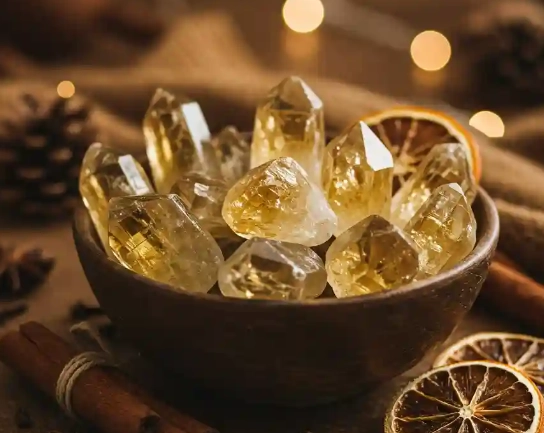
Myth vs. Fact: Clearing Up Citrine Confusion
Myth: Citrine is radioactive and dangerous to have in your home.
Fact: This is completely false. Natural citrine (quartz) poses no radioactive risk. This myth may stem from confusion with other minerals or from the irradiated treatment used on some other gemstones (like some blue topaz) to change their color, which is a controlled industrial process. Citrine's color typically comes from iron or heat treatment, not irradiation. You can confidently debunk this if you hear it.
Myth: You should never buy citrine for yourself; it must be gifted to work.
Fact: There's no traditional basis for this. It's a modern superstition, possibly invented to sell more crystals as gifts. The intention you set when acquiring a stone is far more important than who pays for it.
How to Use Citrine Safely and Avoid Negative Side Effects
Knowing the potential pitfalls is only half the battle. The other half is knowing how to navigate around them. Here’s a practical, step-by-step approach to integrating citrine into your life without inviting unwanted citrine stone side effects.
Step 1: Choosing Your Stone
This is where you set the foundation. If you're concerned about the energy of heat-treated stones, seek out a reputable dealer who specifies "natural citrine." Be prepared to pay more. For most beginners, however, any genuine quartz sold as citrine is a fine starting point. The key is to hold or look at a few and see which one you're drawn to. Does it feel pleasant? Overwhelming? Neutral? Trust your initial gut reaction.
Step 2: The "Introduction" Period
Don't sleep with it under your pillow or wear it 24/7 from day one. Start slow. A good method is to:
- Day 1: Hold it for 5-10 minutes while setting a simple intention (e.g., "I invite more clarity into my day").
- Day 2-3: Place it in your workspace or living area where you can see it, but not right next to you constantly.
- Gradually increase the time you wear it as jewelry, starting with a few hours.
This allows your system to acclimate to its energy gently.
Step 3: Mindful Placement and Cleansing
Even though citrine is said to be self-cleansing, I personally like to cleanse any new crystal to clear any energies from its journey. Simple methods include:
- Smudging with sage or palo santo (briefly).
- Placing it in moonlight (sunlight can fade some crystals over years, but a little is okay for citrine).
- Using sound from a singing bowl or bell.
For placement, the solar plexus (upper abdomen) is its classic home. If you feel headaches, avoid the head area. If you feel overstimulated, place it near your feet to ground the energy.
My own rule of thumb? If I'm feeling scattered or anxious, I put the citrine away for the day and reach for a grounding stone like smoky quartz or hematite instead. It's about listening to your body, not forcing a practice.
Step 4: Pairing with Other Stones (A Great Buffer)
One of the best ways to mitigate any potential citrine crystal side effects of overstimulation is to combine it with calming or grounding stones. This creates a more balanced energy field.
- With Smoky Quartz: This is my favorite combo. Smoky quartz grounds excess energy and transforms negativity. It perfectly tempers citrine's high-vibe buzz.
- With Rose Quartz: Adds a layer of gentle, compassionate love to citrine's confident, action-oriented energy. Great for heart-centered projects.
- With Black Tourmaline: Provides powerful grounding and psychic protection, creating a stable foundation for citrine's manifesting properties.
Answering Your Burning Questions on Citrine Side Effects
Let's tackle some of the specific questions that pop up in search engines and online groups. These are the things people are secretly typing into Google at 2 a.m.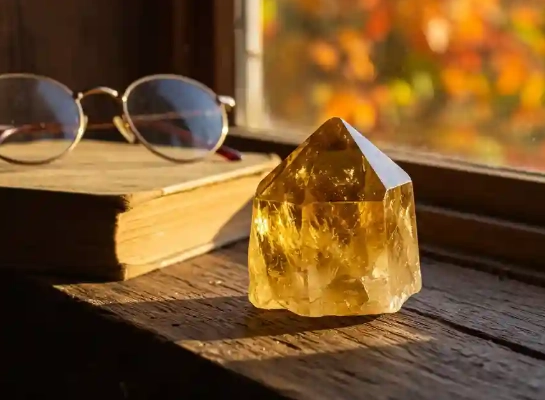
The Bottom Line: Is Citrine Safe For You?
After all this talk of citrine stone side effects, where do we land? For the vast majority of people, citrine is a safe, beautiful, and potentially uplifting stone to work with. The physical risks are minimal and mostly related to jewelry metals, not the crystal. The energetic and psychological "side effects" are manageable with awareness and a mindful approach.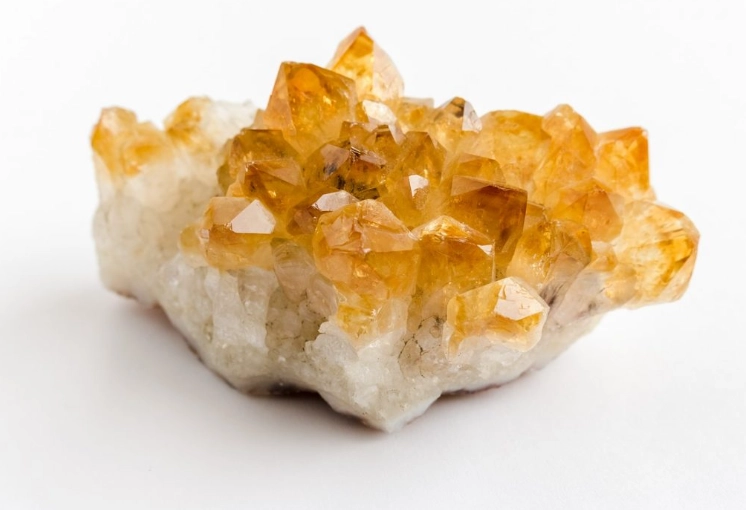
Let's be real, most of the time, these side effects are more about how we use the stone than the stone itself.
Starting small, listening to your body, and setting clear intentions are the golden rules. Don't let fear of potential citrine side effects stop you from exploring, but also don't dive in blindly because of glamorous promises. The crystal community thrives on shared knowledge, and resources like the Mindat mineral database (a non-commercial, scientific resource) are invaluable for understanding the geological facts behind your stones.
So, what's the verdict? If you feel drawn to citrine's sunny energy, go for it. Get a piece. Hold it. See how it feels for you. Your personal experience will always be the most relevant guide, far more than any generalized list of citrine stone side effects. Just remember that no crystal is a substitute for professional medical advice, therapy, or tangible action towards your goals. Use it as a companion on your journey, not the vehicle itself. Happy exploring!
Related Articles

New wafer factories pouring into Europe.
Ruby Stone Month: The Complete Guide to July's Birthstone
Moss Agate Benefits: Healing, Beauty, and Practical Uses
Jade Stone Meaning: Healing, Luck & How to Use It
Is Dalmatian Jasper Rare? The Truth About This Spotted Stone