You pick up a piece of Ocean Jasper, and it feels different. It’s not just another pretty rock. Those swirling, circular patterns—like tiny underwater worlds trapped in stone—immediately pull you in. For years, I was skeptical about the whole "crystal healing" thing. It felt vague, almost too whimsical to be real. But then I started working with stones like Ocean Jasper, not as magic wands, but as tools for focus and mindfulness. The change was subtle but undeniable. This stone has a reputation for bringing calm and joy, and honestly, it’s one of the few where I’ve felt the hype might be onto something. Let's cut through the fluff and talk about what Ocean Jasper properties actually mean, how to spot the real deal, and most importantly, how you can use it in a way that feels genuine and effective.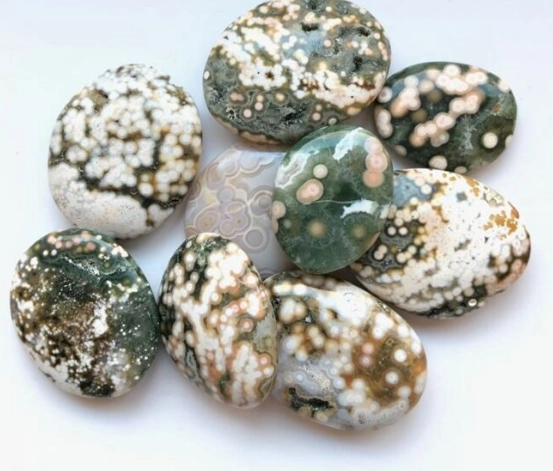
What’s Inside This Guide?
What Exactly Is Ocean Jasper?
First, let's get the basics straight. Ocean Jasper is a rare variety of chalcedony, a type of quartz. Its most defining feature is the "orb" or "eye" patterns—concentric circles of color that look like bubbles or planets. It’s not found just anywhere. The primary commercial source is a single, remote location on the northwest coast of Madagascar. When that mine is active, we get stones. When it’s not, genuine Ocean Jasper becomes scarce and prices jump. This isn't marketing; it's geology and logistics.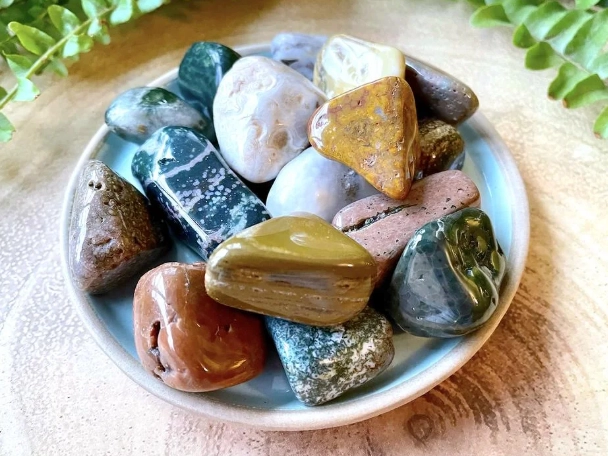
The colors are a direct reflection of its mineral makeup. The green comes from traces of chromium or nickel, the pink and red from iron oxides, and the white from pure silica. It’s a literal snapshot of mineral-rich volcanic sediment that solidified near an ancient coastline, hence the "ocean" name. A common mistake is calling any multicolored, patterned jasper "Ocean Jasper." True Ocean Jasper has those distinct orbs. If it’s just stripes or splotches, you might be looking at a different jasper, like Picture Jasper or Imperial Jasper. Both are lovely, but they don’t carry the same specific energetic signature that collectors and practitioners associate with Ocean Jasper.
Quick Facts: The term "jasper" itself comes from an old word meaning "spotted stone." Mineralogically, jasper is opaque chalcedony. The International Gem Society (IGS) notes its hardness at around 6.5 to 7 on the Mohs scale, making it durable enough for daily jewelry wear. You can find more detailed mineralogical data on resources like Mindat, a trusted mineral database.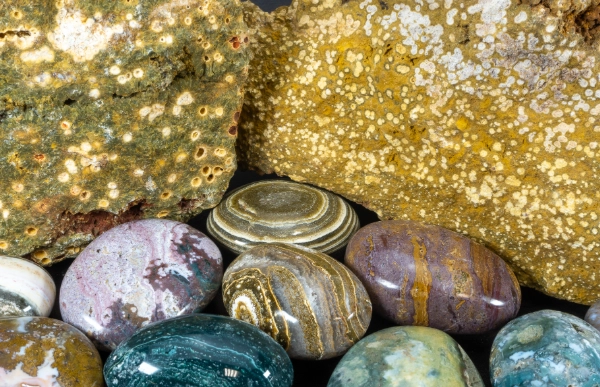
Ocean Jasper Healing Properties: A Practical Breakdown
So, what’s the deal with Ocean Jasper properties? People don't just buy it because it's pretty. They’re seeking something specific. Based on both traditional lore and modern crystal therapy practices, its reputation centers on a few core areas. Think of these less as guaranteed cures and more as themes or intentions the stone is believed to support.
The Emotional Anchor: Stress Relief and Patience
This is its superstar quality. In a world of constant notifications and deadlines, Ocean Jasper is like a deep breath. It’s associated with soothing frantic energy and promoting a sense of peaceful detachment. It doesn’t numb you; it helps you step back from the emotional whirlwind. If you’re someone who gets easily overwhelmed by other people's moods or daily chaos, having this stone around is said to act as a subtle buffer. I keep a small palm stone on my desk for this exact reason. When I feel tension building, I’ll just hold it for a minute, focusing on its cool, smooth surface and patterns. It’s a physical cue to pause and reset.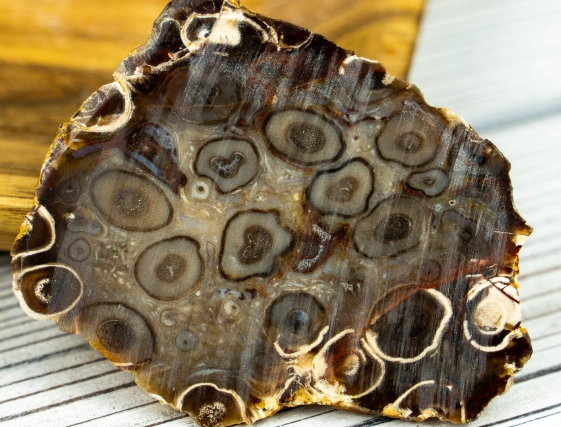
The Joy Catalyst: Releasing Negativity and Finding Fun
Closely tied to stress relief is its link to joy. The theory goes that by easing stress and worry, it makes space for lighter, more positive emotions. It’s often called a stone of "playfulness" and is recommended for people who feel they’ve lost their spark or take life too seriously. It’s not about forcing happiness, but about removing the blockages that prevent it from flowing naturally. Some users find it encourages a more optimistic outlook, helping to break cycles of negative self-talk.
The Physical Connection: Detox and Vitality
In metaphysical circles, Ocean Jasper is strongly tied to the body’s processing and elimination systems. It’s traditionally associated with supporting the liver, kidneys, and digestive tract—our internal filtration units. The idea is that it aids in releasing what no longer serves you, both emotionally and physically. While you should always seek medical advice for health issues, using the stone as a complementary focus for wellness intentions (like during a healthy meal or while drinking water) is a common practice. It’s also linked to boosting overall vitality and stamina, making it popular among those recovering from illness or feeling chronically fatigued.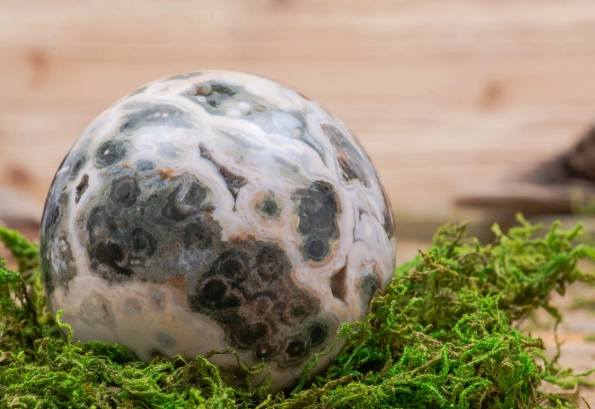
Chakra and Elemental Associations
Most practitioners align Ocean Jasper with the Heart Chakra (for emotional healing and compassion) and the Solar Plexus Chakra (for personal power and digestion). Its connection to water is obvious in its name and appearance, linking it to the fluidity of emotions, intuition, and purification.
How to Use Ocean Jasper: Beyond Just Carrying It
Owning a crystal is one thing. Integrating it is another. Here are concrete, actionable ways to work with Ocean Jasper properties that go beyond letting it gather dust on a shelf.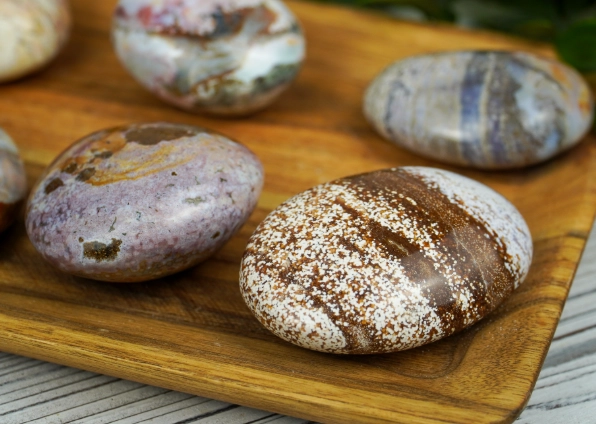
| Method | How To Do It | Best For Targeting |
|---|---|---|
| Wear as Jewelry | Choose a pendant to keep it near your heart/solar plexus, or a bracelet for all-day contact. | Continuous emotional support, public stress. |
| Meditation Focus | Hold a stone in your hand or place it in front of you. Gaze at the orbs to quiet the mind. | Deep relaxation, accessing patience, releasing specific worries. |
| Place in Your Environment | Put a sphere or large piece in your living room, bedroom, or office. | Creating a calming atmosphere, defusing family tension, promoting joyful interaction. |
| Elixir (Indirect Method) | Place the stone in a glass container, then place *that container* into a bowl of drinking water overnight. Drink the water in the morning. (Never put the stone directly in water you drink unless it’s specifically non-toxic and safe). | Setting a hydration/detox intention, absorbing the stone’s vibrational pattern. |
| Sleep Aid | Place a tumbled stone under your pillow or on the nightstand. | Easing into sleep, calming nightmares, promoting restorative rest. |
A personal tip: Don’t just use it when you’re in crisis. Incorporate it into good moments too. Wear your Ocean Jasper bracelet on a fun day out. It helps build a positive association with the stone, making it a more effective tool when you really need it.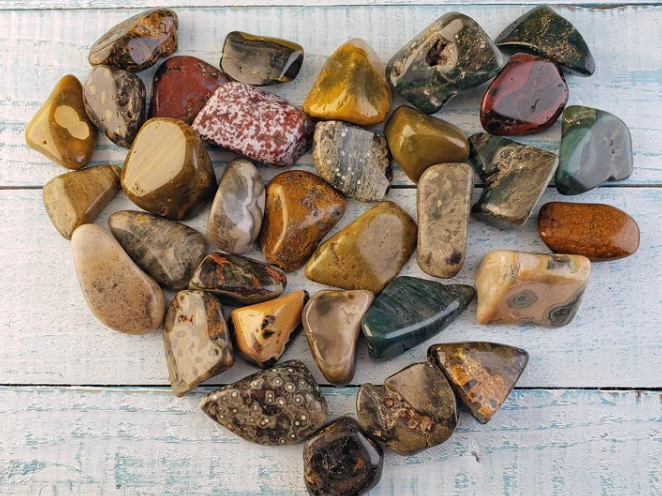
Buying Guide: How to Identify Real Ocean Jasper
The market is flooded with fakes and mislabeled stones. Here’s how to make sure you’re getting the real thing, especially online where you can’t touch it.
Look for the Orbs: This is the number one identifier. You should see clear, concentric circles. They can be large or small, perfect or imperfect, but they should be there. A pattern of only streaks, clouds, or dendrites is not Ocean Jasper.
Understand the Color Range: Authentic Ocean Jasper is typically a mix of green, pink, white, cream, and sometimes brown or gray. Vivid, neon colors or a uniform single color (like solid red) are huge red flags. The colors are usually soft and earthy.
Check the Source: Reputable sellers will often state the material is from Madagascar. Be wary of sellers using vague terms like "African Jasper" unless they specify Madagascar.
Price is a Clue: Genuine, high-quality Ocean Jasper with good orb definition isn’t dirt cheap. If a large, beautiful sphere is priced like a common tumbled stone, it’s probably fake (often dyed howlite or magnesite). Expect to pay more for pieces with exceptional patterns.
Feel the Surface: If you can inspect it in person, real jasper has a certain heft and a waxy luster when polished. It should feel cool to the touch. Glass or resin imitations often feel lighter or warmer.
My advice? Start small. Buy a few genuine, verified tumbled stones from a trusted dealer first. Get to know how the real material looks and feels. Then you’ll have a much better eye for spotting the good stuff when you’re ready for a larger investment.
Your Ocean Jasper Questions, Answered
Related Articles
Tiger's Eye Crystal Meaning and Uses: A Complete Practical Guide
Malachite Metaphysical Properties: The Ultimate Guide to Protection & Transformation
How to Spot Fake Ocean Jasper: The Ultimate Guide for Buyers & Collectors
Orange Sapphire Benefits: Why This Gemstone is a Must-Have
Jasper Stone Benefits: A Complete Guide to Healing Properties & Uses
