I bought my first peridot on a whim. It was a small, tumbled stone in a dusty shop, not particularly expensive or impressive. But something about that vibrant, lime-green glow caught my eye. Years later, after it sat in a box for a while, I learned its meaning went far deeper than its color. Peridot isn't just the August birthstone; it's often called the "stone of light," and understanding why reveals a gem packed with history, controversy, and surprising practical uses.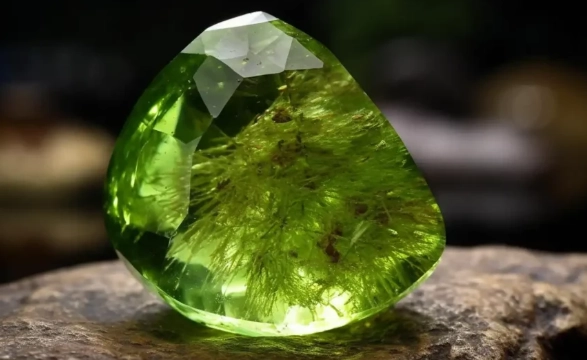
Forget the vague spiritual descriptions you might find elsewhere. The true meaning of peridot is tied to action, clarity, and cutting through the noise of your own mind. It's a gem for doers, not just dreamers.
What You'll Find in This Guide
- What Is Peridot? A Quick Gemological Snapshot
- From Volcanoes to Pharaohs: Peridot's Fiery History & Symbolism
- The Heart of the Matter: Peridot's Metaphysical Properties & Meanings
- How to Choose a Peridot: A Practical Buyer's Guide
- Putting It to Work: How to Use Peridot in Your Daily Life
- Keeping the Light Alive: Peridot Care & Cleansing
What Is Peridot? A Quick Gemological Snapshot
Before we dive into the symbolic peridot meaning, let's ground ourselves in what it actually is. Peridot is the gem-quality variety of the mineral olivine. Unlike most gems, it forms in the Earth's mantle and is brought to the surface by volcanic activity or tectonic shifts. That origin story is key—this is a stone born from intense pressure and heat.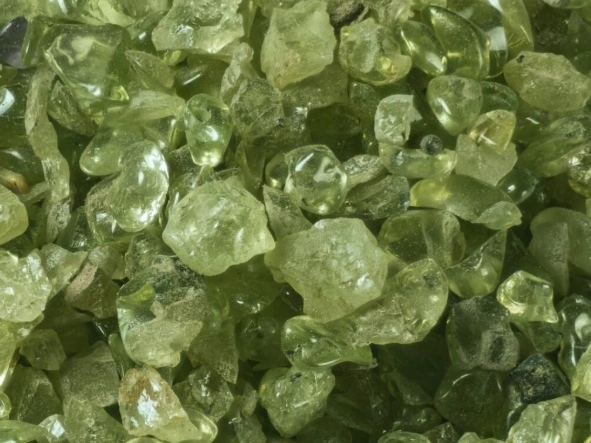
Its color range is famously narrow: from a yellowish-green to a deeper olive or brownish-green, all thanks to iron. The most valued color is a pure, vibrant "lime green" without brown or yellow overtones. You won't find a blue or red peridot. What you see is what you get, and that honesty is part of its charm.
A crucial, often overlooked fact from the Gemological Institute of America (GIA): peridot has a hardness of 6.5 to 7 on the Mohs scale. That makes it softer than quartz. This isn't a stone for a rugged, everyday ring if you're hard on your hands. Knowing this changes how you should wear and care for it.
From Volcanoes to Pharaohs: Peridot's Fiery History & Symbolism
The historical meaning of peridot is steeped in light and protection. Ancient Egyptians called it the "gem of the sun," mining it on Zabargad Island in the Red Sea. They believed it protected the wearer from "terrors of the night." Cleopatra's famed emerald collection? Historians now suspect many were actually peridots.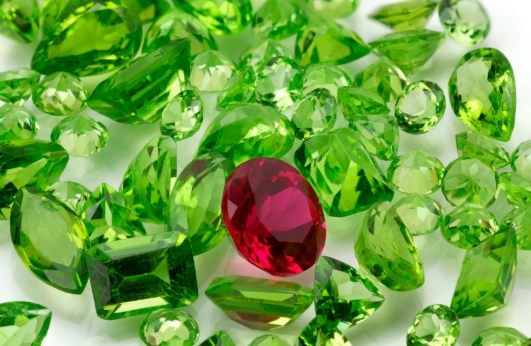
In Hawaiian culture, peridot (or the olivine sand found on beaches) is sacred to Pele, the volcano goddess. It's seen as her tears or her embodiment, a direct link to its volcanic birth.
For centuries, it was confused with other green gems like topaz and emerald. The Shrine of the Three Kings in Cologne Cathedral, believed to hold emeralds, actually features large peridots. This historical mix-up adds a layer of intrigue—peridot was often the hidden star, the underappreciated treasure masquerading as something else.
This symbolism of inner light revealed and protection through clarity forms the bedrock of its metaphysical meaning.
The Heart of the Matter: Peridot's Metaphysical Properties & Meanings
Here's where most articles get fluffy. Let's be specific. Peridot's core meaning revolves around three interconnected themes: cleansing, prosperity, and emotional healing. It's not a gentle, nurturing stone like rose quartz. It's more like a motivational coach for your spirit.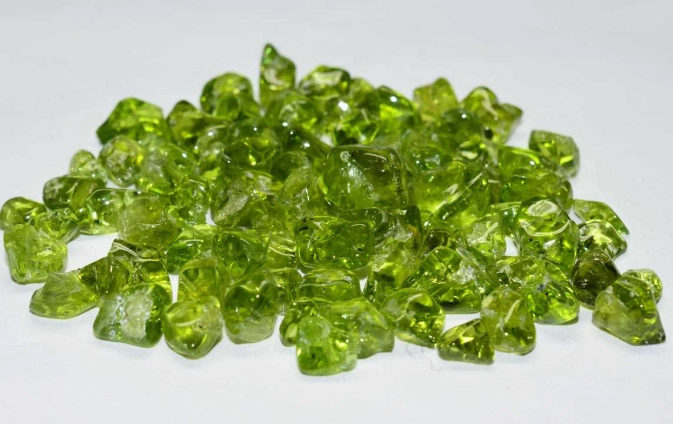
The Big Picture: Think of peridot as a system reset for your emotional and energetic body. It targets blockages—especially around the heart—caused by old hurts, jealousy, and self-sabotage. Its "light" is the clarity that comes after a storm.
Key Properties Broken Down
| Property | Color Association | Primary Chakra | Key Action |
|---|---|---|---|
| Emotional Cleansing | Bright Yellow-Green | Heart (Anahata) | Releases resentment, jealousy, guilt. |
| Manifestation & Prosperity | Vibrant Lime Green | Solar Plexus (Manipura) | Attracts abundance, boosts confidence for action. |
| Mental Clarity | Light Olive Green | Heart & Solar Plexus | Dispels negative patterns, sharpens focus. |
| Heart Healing | Medium Green | Heart (Anahata) | Mends emotional wounds, fosters forgiveness. |
Many beginners think a stone's power is automatic. With peridot, that's a mistake. Its healing properties are catalytic. It gives you the clarity to see a toxic relationship, but you have to have the courage to set the boundary. It highlights a money-making idea, but you have to draft the plan. It's a partner in action, not a magic wand.
A Non-Consensus View on Peridot for Wealth
You'll read everywhere that peridot is a "prosperity stone." True, but it's not about winning the lottery. Its meaning for wealth is tied to deservingness and release of scarcity mindset. If you secretly believe you don't deserve success, or you're jealous of a colleague's raise, that energy blocks abundance. Peridot helps dissolve that block. The prosperity that follows often comes as new opportunities, promotions you feel qualified for, or the confidence to ask for a raise. It's sustainable prosperity, built on cleared emotional ground.
How to Choose a Peridot: A Practical Buyer's Guide
So you're drawn to the meaning of peridot. How do you pick one? Let's move past "choose what you're drawn to" (though that matters) and get practical.
First, set your budget and intent.
- Under $50: You're in tumbled stone or small bead territory. Perfect for carrying in a pocket, placing on an altar, or making simple jewelry.
- $50 - $200: This range gets you a decent quality faceted stone (1-3 carats) in a simple setting, like a pendant or a small ring. Ideal for everyday wear.
- $200+: You can look for larger stones (3+ carats), finer color (more saturated green, less yellow), or designer pieces. This is for a statement jewelry piece.
What to look for:
Color is king. Look for a lively, saturated green. A dull, brownish olive color often indicates lower quality. The classic "lime" spark is what you want.
Clarity: Most peridots have tiny inclusions (lily-pad shaped are common). A completely clean eye is rare and expensive. Some inclusions are acceptable unless they majorly impact the sparkle.
Cut: A good cut makes it sparkle. Avoid stones that look windowed (see-through and dull in the center).
Setting: Remember the hardness! For a ring, choose a protective setting like a bezel or have it in a pendant/earrings where it's less likely to get knocked.
I made the mistake of buying a beautiful, high-domed peridot ring as my first piece. Within months, the top was scratched. Lesson learned. Consider your lifestyle.
Putting It to Work: How to Use Peridot in Your Daily Life
Understanding peridot meaning is one thing, applying it is another. Here are concrete ways to work with this stone.
For Mental & Emotional Clarity: Hold a peridot tumble in your hand during meditation or place it on your solar plexus. Set an intention to release old, bitter narratives. I've used mine when stuck on a work problem—its energy feels less like gentle comfort and more like a mental windshield wiper.
For Heart Healing: Wear it as a pendant over your heart. It's less about attracting new love and more about processing old hurt so you're open to it. Don't expect a fairy tale; expect to finally have that direct conversation you've been avoiding.
For Manifesting Prosperity: Place a stone on your desk or in your wallet. But pair it with action. Visualize your goal while holding it, then make the call, send the email, draft the plan. Peridot is a catalyst, not a crutch.
In Your Space: A cluster in the living room or office can help shift a stagnant atmosphere. It's like energetic daylight.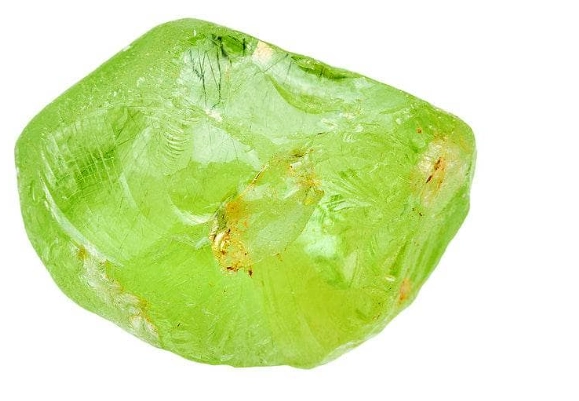
Keeping the Light Alive: Peridot Care & Cleansing
Given its moderate hardness, care is non-negotiable. Avoid ultrasonic cleaners and harsh chemicals. Use warm, soapy water and a soft cloth. Store it separately to prevent scratches.
To cleanse its energy, I prefer moonlight or a brief smudging. Some say you can use gentle running water, but given its sensitivity, I'd be cautious. Let it dry completely.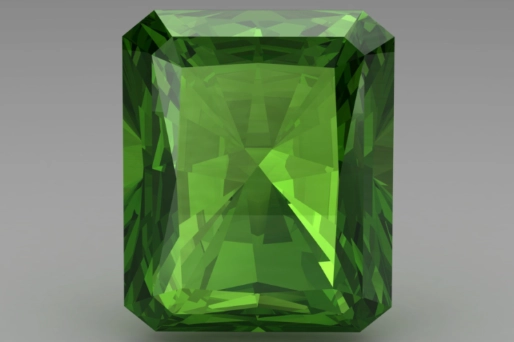
Does it need charging? I don't overthink it. A few hours in moonlight seems to do the trick. Trust your gut.
Related Articles
Blue Tourmaline: The Complete Guide to Meaning, Uses, and Buying Tips
Where is Your Root Chakra? Female Location & Why It Matters
Ocean Jasper Meaning: Healing Properties & Spiritual Symbolism
Orange Sapphire Guide: Value, Buying Tips & Care Secrets
Unlock Healing: A Complete Guide on How to Use Rhodonite Stone