Let's talk about a crystal that doesn't get enough spotlight next to amethyst or rose quartz, but might just be the secret weapon you need when life feels like a maze. Iolite. Its name comes from 'ios', the Greek word for violet, and that rich, sapphire-blue to violet hue is what first catches your eye. But its real magic is hidden in its history and its effect on your mind. Ancient Norse legends say Viking navigators used thin slices of iolite as a polarizing filter to locate the sun on cloudy days, steering their ships across treacherous seas. Think about that for a second. They used a stone to find direction when the path was obscured. That's the perfect metaphor for what iolite can do for your internal landscape.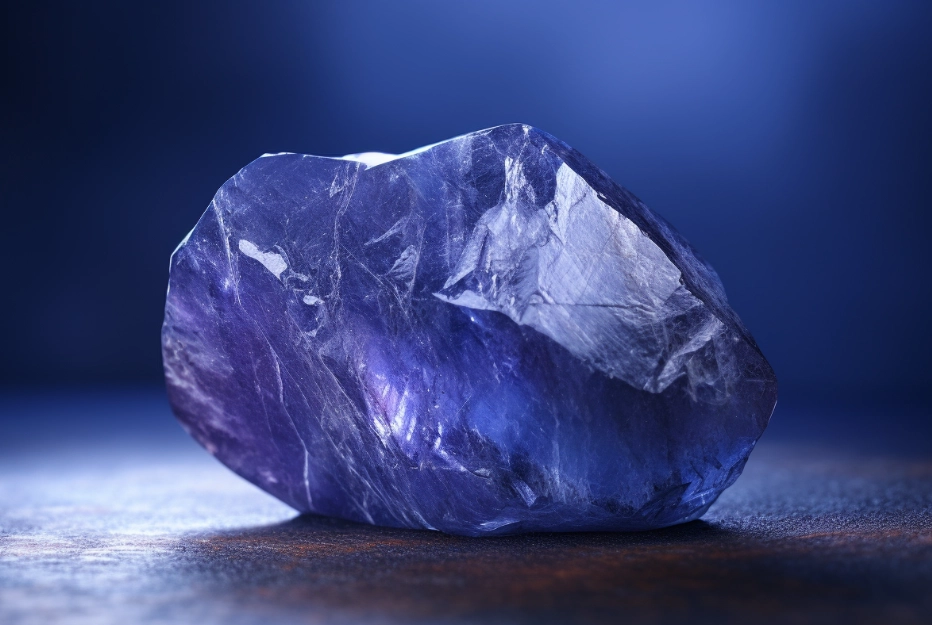
What You'll Discover
What Exactly is Iolite? More Than Just a Pretty Stone
Geologically, your iolite gem is a variety of the mineral cordierite. That's its official, less glamorous name. The standout feature, and a dead giveaway for authenticity, is its pleochroism. Tilt the stone in your hand under a lamp. Watch the colors shift from a deep violet-blue to a grayish hue, and sometimes to a pale yellow. That's not a flaw; it's its fingerprint. It means the crystal absorbs light differently depending on the angle.
Most iolite on the market comes from India, Sri Lanka, Mozambique, and Madagascar. The Indian material often has that classic, rich violet-blue, while some African stones can show a lighter, more cornflower blue. It's not the hardest gem out there (a 7 to 7.5 on the Mohs scale), so it's perfect for pendants, earrings, or pocket stones, but I'd be cautious with an iolite ring for daily, rough wear.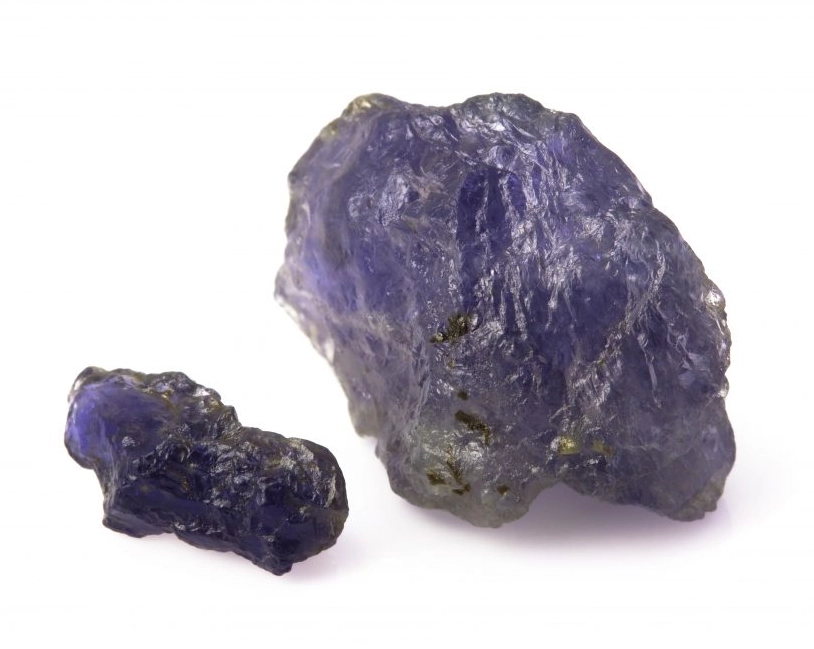
Quick Facts at a Glance
Also Known As: Cordierite, Viking's Compass, Water Sapphire (a misleading name, avoid it).
Key Identifying Trait: Strong pleochroism (color change when rotated).
Hardness: 7 - 7.5 (Good for most jewelry except high-impact rings).
Primary Source: India, Sri Lanka, Madagascar.
Chakra Association: Primarily Third Eye (Ajna), also Throat (Vishuddha).
Iolite's Core Benefits & Healing Properties: Beyond the Basics
Everyone will tell you iolite is for intuition. That's true, but it's a shallow take. From my experience, its power lies in applied intuition—turning that gut feeling into a clear, actionable path. It's the difference between "I have a hunch" and "I see the next step."
Cutting Through Mental Fog and Indecision
This is where iolite shines brightest. Stuck between two job offers? Overthinking a relationship? Your mind becomes a committee of fears, "what-ifs," and other people's opinions. Iolite's energy is like a gentle but firm moderator. It doesn't shout. It quiets the noisy committee members so you can hear the voice of your own inner advisor. It helps disentangle logic from emotion, allowing you to see the core of a situation. I've used it for clients who feel paralyzed by choices, and the shift isn't toward a specific answer, but toward a newfound confidence in their ability to choose.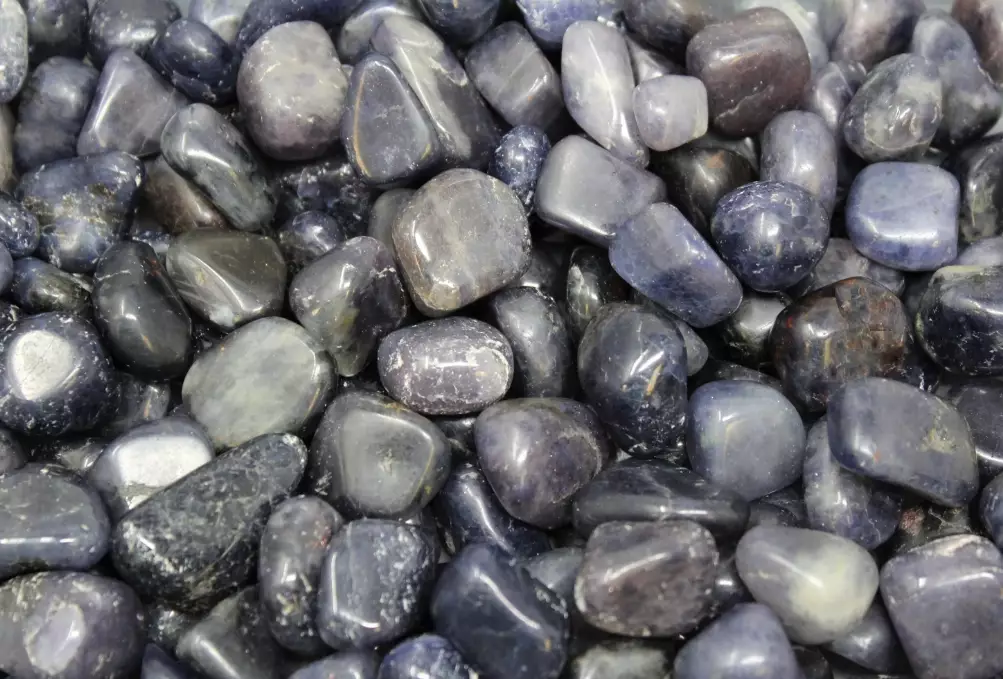
The Third Eye Activator (Without the Overload)
Unlike some crystals that can blast the Third Eye open and cause headaches or psychic overwhelm, iolite works more like a system optimizer. It's not about forcing visions; it's about organizing the influx. If your intuition feels like a messy, static-filled radio station, iolite helps tune the dial to a clear frequency. It enhances dream recall and can make dreams more symbolic and insightful, rather than just chaotic.
Emotional Detox and Personal Responsibility
Here's a property less discussed. Iolite has a subtle but potent connection to the Throat Chakra as well. It encourages you to speak your internal truth, but first, you have to see it. It brings to light patterns where you blame others or feel like a victim of circumstance. By illuminating these patterns, it gently nudges you toward taking responsibility for your own role and your own healing. It's not a comfortable process, but it's a profoundly liberating one.
How to Use Iolite: Practical Steps for Real Life
Theory is great, but how do you actually make this stone work for you? Ditch the complicated rituals. Here’s what I do and recommend.
For Decision-Making Sessions: Keep a tumbled stone on your desk. Before you start poring over pros and cons lists, hold it in your non-dominant hand (your receptive hand) for a few minutes. Close your eyes. Don't ask for the answer. Just set the intention: "Show me the clearest path forward." Then do your analysis. You'll likely find your thoughts are more linear and less emotionally tangled.
As a Meditation Anchor: Hold a piece during meditation, focusing on the space between your eyebrows. Don't force imagery. Instead, imagine its violet-blue light gently washing over your mind, clearing out dusty corners and old, unhelpful thought loops. Even five minutes can reset a cluttered headspace.
Wearing It: A simple iolite pendant is incredibly effective. Worn near the throat or chest, it keeps its clarifying energy in your field all day. It's a constant, subtle reminder to check in with yourself, not just react to the world.
Strategic Placement: Put a piece in your car to promote calm, focused driving. One on your nightstand can encourage insightful dreams (if dreams get too intense, move it to a dresser a few feet away). Avoid placing it in the center of chaotic family rooms; it prefers spaces of contemplation.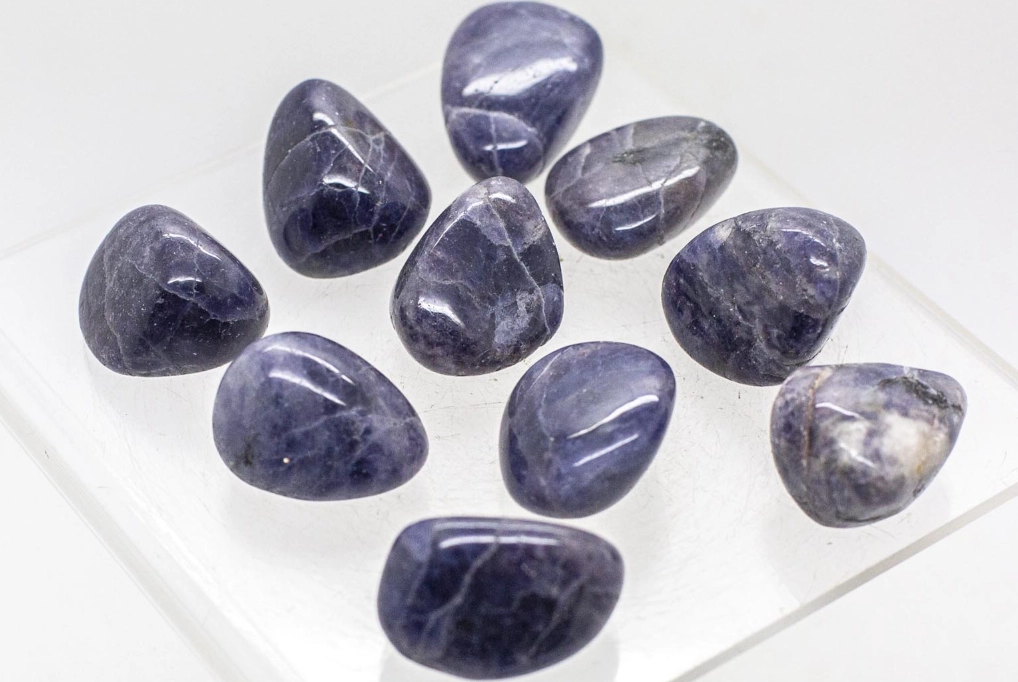
Buyer Beware: How to Identify Real Iolite
The crystal market is flooded with fakes. With iolite, the most common imposters are tinted glass or, more expensively, tanzanite. Here’s how not to get duped.
The Rotation Test is Key: Always, always ask to see the stone under a single light source and rotate it. If the dealer says no, walk away. Real iolite must show a noticeable color shift—typically violet-blue to grayish. A stone that stays one uniform, deep blue is probably not iolite.
Feel and Weight: Glass fakes often feel warmer to the touch and may have tiny bubbles inside if you look closely with a loupe. Genuine iolite has a certain heft and coolness.
Price Point: If a large, flawless "iolite" is being sold for the price of a coffee, it's glass. Genuine iolite is relatively affordable for a gemstone, but it's not dirt cheap. A good quality, medium-sized tumbled stone should cost between $10 and $30, depending on size and color saturation.
Caring for Your Stone: Simple, Effective Maintenance
Iolite isn't overly delicate, but it needs respect. Never use ultrasonic or steam cleaners. The thermal shock can crack it. Avoid harsh chemicals, perfumes, and lotions.
To cleanse its energy, I prefer gentle methods: passing it through the smoke of sage or palo santo, placing it on a selenite plate overnight, or letting it sit on a windowsill in moonlight (sunlight can fade the color over years, so be brief). To recharge it, bury it in dry brown rice for a day or place it with a clear quartz point.
Listen to your stone. If it starts to feel "dull" energetically even after cleansing, or if you've gone through a particularly intense period using it, give it a longer rest with a cleansing crystal like selenite.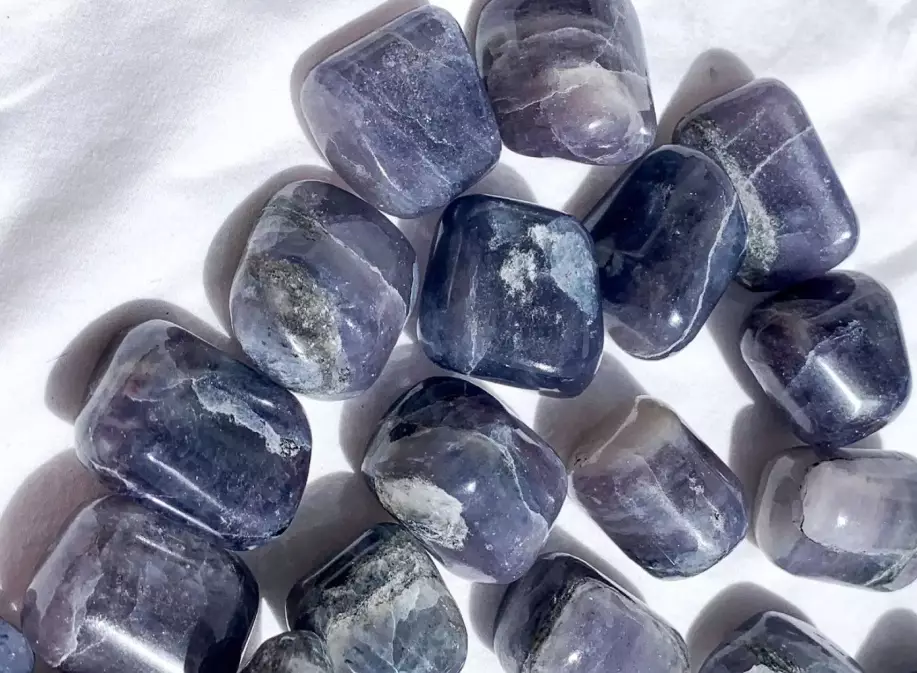
Your Iolite Questions, Answered
Related Articles
Rainbow Moonstone Crystal: Healing, Uses & How to Spot Fakes
Who Should Wear Black Onyx? Zodiac Guide & Crystal Benefits
White Obsidian Stone Meaning: Healing Properties, Uses & How to Spot Fakes

Antares and Star Meaning: Unraveling the Heart of the Scorpion
Unveiling Rare Kunzite: A Collector's Guide to Value & Authenticity