Quick Safety Guide
Let's talk about malachite. You've seen it, right? Those stunning bands of deep green, swirling like a miniature forest captured in stone. It's everywhere in crystal shops, jewelry stores, and Instagram feeds. It's promoted for everything from heart healing to wealth attraction. But here's the thing nobody in those beautiful, filtered photos talks about enough: malachite can be toxic. Not in a "maybe, possibly, under extreme circumstances" way, but in a real, documented, you-should-genuinely-know-this-before-you-buy-it way.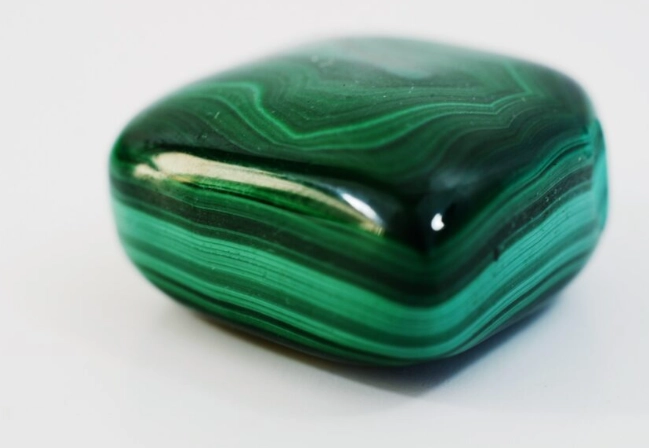
I remember when I first learned this. I had a gorgeous, unpolished malachite palm stone I loved to hold. Then I read a snippet about its copper content and got that sinking feeling. Was I holding something harmful? The information out there was a mess—full of spiritual jargon but light on hard facts. That's why we need to cut through the noise. This isn't about fear-mongering; it's about informed choices. So, who should avoid malachite? The answer is more specific than you might think.
Bottom Line Up Front: If you are pregnant, have young children, own pets, have sensitive skin or respiratory issues, or have certain pre-existing health conditions (like liver or kidney problems), you need to be exceptionally cautious with raw or unsealed malachite. For everyone else, understanding the risks allows for safe handling and enjoyment.
What Exactly Is Malachite, and Why the Caution?
Malachite is a copper carbonate hydroxide mineral. Let's unpack that. Its breathtaking green color comes from copper—the same metal used in pipes and wires. Chemically, it's Cu₂CO₃(OH)₂. This copper content is the core of both its beauty and its potential hazard.
The primary risks come from two places:
- Copper Toxicity: The body needs trace amounts of copper, but too much is poisonous. Malachite can release copper ions, especially when wet (think sweat, water, lotion).
- Dust Inhalation: This is the big, often overlooked one. Cutting, polishing, or even aggressively handling a rough piece creates fine dust. Inhaling any mineral dust is bad for your lungs, but copper carbonate dust is particularly problematic.
You'll see a lot of crystal sellers downplay this. "It's only dangerous if you eat it!" they say. That's overly simplistic and, frankly, a bit irresponsible. Sure, ingesting a chunk would be very bad. But chronic, low-level exposure through skin contact or dust is the more realistic concern for most people. The National Library of Medicine notes that copper toxicity can affect the liver, kidneys, and gastrointestinal system. We're talking about a known toxicological profile, not a crystal myth.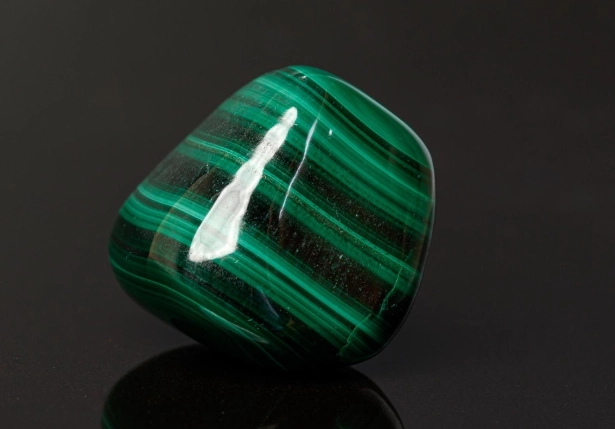
The Definitive List: Who Should Avoid Malachite or Use Extreme Caution?
This is the heart of the matter. Let's break down the specific groups for whom "who should avoid malachite" isn't just a search query—it's an important personal safety question.
1. Pregnant Women and Nursing Mothers
This is non-negotiable, in my opinion. If you are pregnant or breastfeeding, you should avoid direct, prolonged skin contact with raw malachite and absolutely avoid any environment where it is being cut or polished.
Why? The developing fetus and newborn are incredibly vulnerable to toxins. Copper can cross the placental barrier. While severe poisoning is unlikely from casual contact, why take the risk for a non-essential item? There's just no compelling reason to have unsealed malachite on your belly or wear it as a pendant against your skin during this sensitive time. The CDC highlights the reproductive risks associated with certain heavy metals, a category copper falls into. It's about minimizing all unnecessary exposures.
I've spoken to midwives who've had clients ask about crystal grids for their nurseries. Their advice is always the same: keep potentially toxic minerals like malachite, cinnabar, or galena far away from the baby's space. Opt for safer stones like rose quartz or clear quartz instead.
2. Infants, Toddlers, and Young Children
Kids explore the world by putting things in their mouths. It's what they do. A tumbled malachite stone is the perfect size, shape, and interesting color to look like a candy to a toddler. This is a clear-cut ingestion hazard.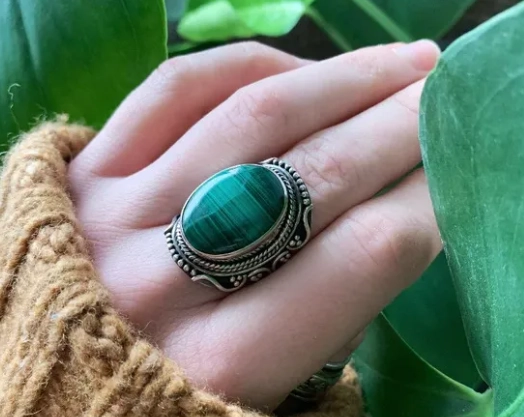
Beyond that, their skin can be more permeable, and their developing organs (especially liver and kidneys) are less efficient at processing and eliminating toxins. Having raw malachite as a decorative item on a low coffee table or within reach in a playroom is asking for trouble. If you have kids, this is a key group to consider when deciding who should avoid malachite in your home.
If you suspect a child has ingested any piece of malachite, do not wait. Contact poison control or seek emergency medical attention immediately. Have the stone or a photo of it ready to show medical personnel.
3. People with Known Liver or Kidney Conditions
Your liver and kidneys are your body's primary detoxification and filtration systems. If their function is already compromised by conditions like cirrhosis, hepatitis, or chronic kidney disease, their ability to handle an additional load of a metal like copper is reduced.
This makes you more susceptible to copper accumulation and toxicity. It's a matter of not overburdening systems that are already working hard. For this group, avoiding sources of unnecessary heavy metals is a prudent health choice. Wearing a sealed malachite ring might be okay, but holding a raw piece during meditation or sleeping with one under your pillow? Probably not wise.
4. Individuals with Sensitive Skin or Skin Conditions (Eczema, Psoriasis)
Malachite can be a skin irritant. The copper ions can react with sweat and skin oils, potentially causing contact dermatitis—redness, itching, or a rash. If you have sensitive skin, eczema, or psoriasis, your skin barrier is already compromised. Introducing a potential irritant is like pouring salt on a wound.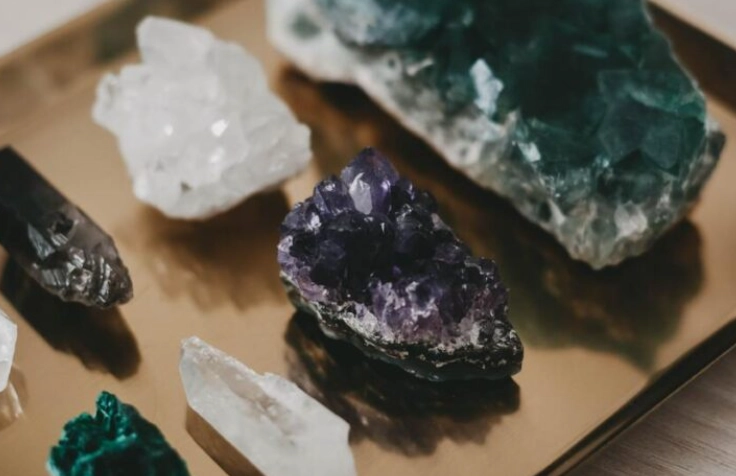
I have a friend with mild eczema who wore a malachite bracelet for a week. She ended up with a persistent, itchy green line around her wrist (the green stain from the copper is another telltale sign of a reaction). It took days to fade. Her dermatologist wasn't surprised at all.
If you have skin issues, do a patch test. Place a small, tumbled stone on the inside of your elbow for 24 hours. If you see any redness or irritation, you know malachite isn't for you.
5. Pet Owners (Cats, Dogs, Birds, Small Animals)
This is a huge one. Our pets are even more vulnerable than small children because they are smaller, may groom themselves constantly, and we can't explain to them not to lick something.
- Cats: Especially curious and prone to batting small objects around and licking their paws afterward.
- Birds: Extremely sensitive to airborne toxins and dust. Having malachite in the same room as a birdcage, especially if it's raw, is a terrible idea.
- Dogs: May chew on objects out of boredom or curiosity.
Copper toxicity in pets can cause vomiting, diarrhea, lethargy, jaundice, and even death. It's simply not worth the risk. If you're a pet owner wondering who should avoid malachite in the household, the answer is you—unless you can keep it in a completely inaccessible, sealed display case.
6. People with Respiratory Issues (Asthma, COPD, Silicosis)
Remember the dust? For someone with asthma, chronic obstructive pulmonary disease (COPD), or any other lung sensitivity, inhaling malachite dust can trigger a serious attack. The particles are a direct irritant to the airways.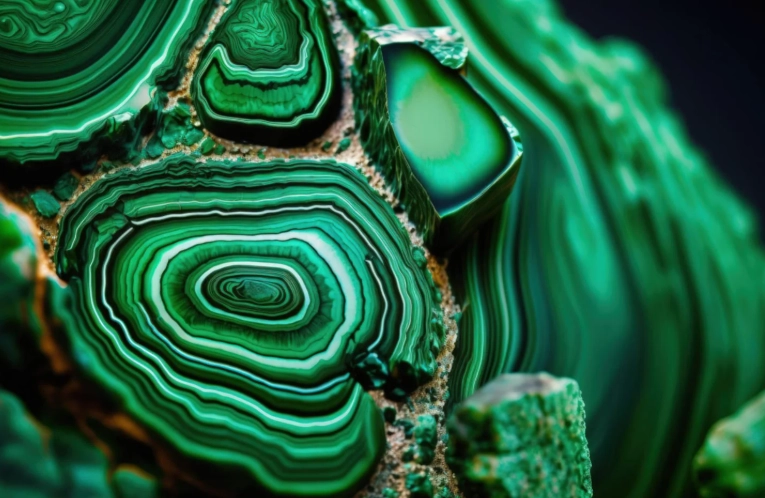
This risk is highest for lapidaries and hobbyists who cut and polish stones without proper safety equipment (which, sadly, is most of them). But even dust from a rough specimen on a shelf can get stirred into the air during cleaning. If you have a respiratory condition, you should avoid environments where malachite is being worked on and think twice about keeping large, crumbly specimens in your living space.
7. Anyone Prone to Acidic Sweat
This is a lesser-known but practical point. The pH of your sweat can vary. More acidic sweat can accelerate the leaching of copper from the stone. If you notice that malachite jewelry leaves a greenish residue on your skin quickly, or if you tend to corrode metal jewelry easily, your sweat is likely on the acidic side. This means you're getting more direct exposure. In this case, sealing the stone (with a proper jeweler's sealant) is mandatory, or you should choose a different stone altogether.
| Who Should Avoid Malachite? | Primary Risk | Level of Caution | Safer Alternative |
|---|---|---|---|
| Pregnant/Nursing Women | Copper exposure to fetus/infant | AVOID direct contact | Rose Quartz, Moonstone |
| Young Children | Ingestion, skin contact | AVOID completely | Amber (teething), Howlite |
| Pet Owners | Pet ingestion/toxicity | EXTREME CAUTION (keep inaccessible) | Display in sealed cabinet only |
| Liver/Kidney Conditions | Added detox burden | AVOID prolonged contact | Bloodstone, Moss Agate |
| Sensitive Skin | Contact dermatitis | CAUTION (patch test first) | Jade, Aventurine |
| Respiratory Issues | Dust inhalation | AVOID dust environments | Polished/sealed pieces only |
But I Love Malachite! How Can I Use It Safely?
Look, I get it. It's a stunning stone. The idea isn't to ban it forever, but to handle it with respect. If you don't fall into the high-risk categories above, you can enjoy malachite by following some basic safety protocols. This is the part most "crystal gurus" skip—the practical how-to.
The Safe Handling & Use Protocol
- Seal It: For any jewelry meant for skin contact (pendants, rings, bracelets), ensure the stone is properly sealed by a jeweler. A good sealant creates an inert barrier. Ask specifically about this when buying.
- Wash Your Hands: Always wash your hands with soap and water after handling raw or unsealed malachite, especially before eating.
- No Elixirs, Ever: Do not, under any circumstances, make a "crystal elixir" or "gem water" with malachite by placing it in drinking water. This is a direct route for copper to enter your body. The practice is dangerously misguided.
- Dust Control: If you have rough specimens, dust them with a damp cloth, not a dry duster. If you're a hobbyist cutting stones, you must use a proper lapidary wet saw, good ventilation, and wear an N95 mask or better. OSHA's rules on silica dust are a good benchmark for the level of caution needed, even though malachite isn't silica.
- Storage: Keep raw pieces in a display case or on a high shelf, away from areas where food is prepared or where children/pets can access them.
Think of it like this: you can admire a beautiful tiger from behind a safe barrier at the zoo, but you wouldn't invite one into your living room. Malachite is similar—appreciate its beauty, but establish sensible boundaries.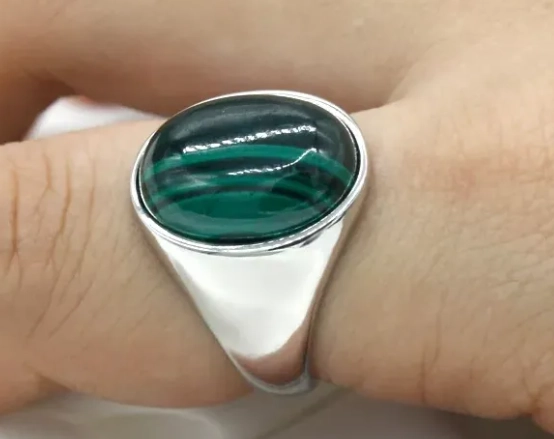
Top Safe Alternatives to Malachite (Similar Look or Energy)
If you've decided that, for you or your household, the answer to "who should avoid malachite" is a "yes," don't worry. Plenty of gorgeous, non-toxic stones can give you a similar vibe.
For the Green Color:
- Green Aventurine: A beautiful, gentle green quartz. Completely safe, great for heart-centered work, and widely available.
- Jade (Nephrite or Jadeite): The classic stone of harmony. Polishes beautifully, is very tough, and is culturally significant across the world. A premium but safe choice.
- Moss Agate: Has beautiful green, moss-like inclusions. It's a quartz variety, so it's inert and safe. Connects you to nature energy.
- Bloodstone (Heliotrope): Dark green with red speckles. Historically used for vitality and courage. Another form of chalcedony (quartz).
For Transformation & Heart Energy:
- Rose Quartz: The ultimate heart stone for love and compassion. As safe as a stone gets.
- Rhodonite: Pink with black veins, excellent for emotional healing and clearing old wounds. A manganese silicate, not a copper-based mineral.
- Amazonite: That beautiful blue-green feldspar. Calming, helps with communication. No major toxicity concerns.
My personal favorite substitute? Green Aventurine. It has a similar cheerful, prosperous energy for me, and I never have to think twice about letting my niece hold a piece or wearing it all day long. The peace of mind is worth more than any perceived energetic boost from a riskier stone.
Your Malachite Safety FAQs Answered
The conversation around who should avoid malachite isn't meant to scare you away from the mineral world. It's the opposite. It's about bringing knowledge and responsibility into a space that's often dominated by vague spirituality and commerce. When you know the properties—both beautiful and hazardous—of the stones you invite into your life, you empower yourself to make choices that are truly aligned with your well-being.
You can appreciate malachite's breathtaking patterns in a photo, own a securely sealed piece of jewelry, or admire a specimen behind glass. Or, you can choose one of the many other incredible, safe stones this planet offers. The most powerful healing practice always starts with a foundation of safety and common sense.
Related Articles

From Linux on arm to Windows on arm.

Azurite Malachite: Ultimate Guide to Properties, Uses & Value
Selenite Formula: Your Guide to Crystal Clarity & Energy
Opal Spiritual Meaning: More Than Just a Pretty Stone
A Collector's Guide to Jasper Varieties: Colors, Meanings & Uses