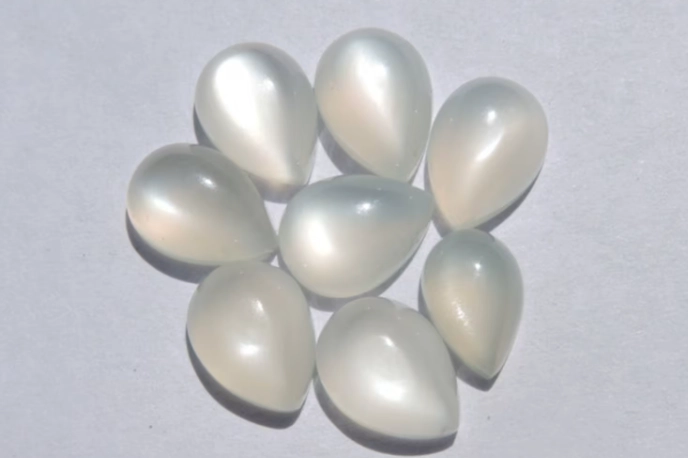
Let's talk about sun stone. You've probably seen it—a gem that seems to hold tiny, captured sunbeams right inside the stone. That glittering effect isn't just for show. For centuries, people have been drawn to this crystal not only for jewelry but for something deeper, a sense of warmth and vitality it seems to radiate. If you're curious about what makes sunstone special beyond its looks, you're in the right place. We're going past the basic descriptions and into the practical details: what it really does, how to use it without the fluff, and crucially, how to spot a fake one in a market full of imitations.
What You'll Discover
What Exactly Is Sunstone? (The Science Behind the Sparkle)
First things first, sunstone is a variety of feldspar, a super common mineral group. Its magic trick is called "aventurescence." That's the technical term for the shimmering, metallic glitter you see, caused by tiny plate-like inclusions of minerals like hematite or goethite suspended within the stone. When light hits these plates, it scatters, creating that signature sunny sparkle.
Not all sunstone is created equal. The classic, most sought-after material comes from Norway and has a rich, orangey-red body color with a coppery flash. But there's also a beautiful transparent to translucent variety from Oregon, USA, which ranges from pale yellow to a deep, fiery orange, sometimes with a reddish or greenish tint. I personally find the Oregon material has a cleaner, more gem-like quality, while the Norwegian type feels earthier.
Key Facts at a Glance
Mineral Family: Feldspar (Oligoclase or Labradorite)
Key Feature: Aventurescence (metallic glitter)
Mohs Hardness: 6 to 6.5 (Durable for jewelry, but avoid harsh impacts)
Primary Sources: Norway, United States (Oregon), India, Russia
Color: Orange, red, brown, yellow, sometimes with green flashes.
A common mix-up happens with "goldstone." Here's the critical difference: goldstone is man-made glass with copper flecks added. It's uniform, often a deep blue or purple with very regular, perfect sparkles. Natural sunstone's glitter is random, organic, and embedded within a crystalline structure, not glass. If the sparkles look too perfect and the base looks like colored glass, it's likely goldstone.
Sunstone Healing Properties: A Practical Breakdown
In crystal healing traditions, sunstone is the ultimate energizer and mood-lifter. It's associated with the solar plexus chakra, your center of personal power, will, and vitality. Think of it less as a magical cure and more as a tool for shifting your energy and perspective.
Emotional & Mental Effects
Feeling stuck in a rut? Sunstone's energy is like a motivational coach. It's said to help dissolve feelings of fear and unworthiness, replacing them with a sense of confidence and "can-do" optimism. It doesn't just make you blindly happy; it encourages you to take charge of your life. For people who tend to be overly serious or self-critical, it introduces a dose of lightness and joy. I've found it particularly useful during creative blocks—placing one on my desk seems to melt away the resistance to starting a project.
Physical & Energetic Associations
Given its sunny nature, it's traditionally linked to vitality and the digestive system (tied to the solar plexus). Some practitioners use it to combat seasonal lethargy or to support metabolism. On an energetic level, it's considered a powerful cleanser, helping to clear stagnant energy from the aura. A subtle point often missed: because it's so energizing, it might be too stimulating before bed for some people. I'd recommend using it in the morning or daytime hours.
How to Use Sunstone in Your Daily Life
You don't need complex rituals. The best way to work with any crystal is to integrate it simply.
In Jewelry: Wearing sunstone as a pendant keeps its energizing influence close to your solar plexus. A ring or bracelet serves as a constant, subtle reminder of your personal power. It's a durable stone for daily wear.
In Your Space: Place a tumblestone or small sphere in the wealth corner of your home or office (the southeast area, according to Feng Shui principles) to encourage abundance and proactive energy. A piece on your desk can foster leadership and decisiveness.
In Meditation: Hold a stone in your hand or place it on your solar plexus (just above the navel). Focus on its warmth and visualise its light dissolving any self-doubt or inertia. Don't force it; just let the feeling of expansion happen.
A Simple Cleansing Method: Sunstone loves real sunlight. Placing it in indirect morning sunlight for an hour or so can recharge it beautifully. Avoid harsh midday sun for extended periods, as some colors can fade. You can also rinse it under lukewarm water and pat it dry.
The Real Test: How to Identify Genuine Sunstone
This is where most guides fall short. With sunstone's popularity, imitations are everywhere. Here’s how to play detective.
| Feature | Genuine Sunstone | Common Imitations (Goldstone/Glass) |
|---|---|---|
| Sparkle Pattern | Random, uneven, plate-like inclusions. Sparkles at different angles. | Extremely uniform, evenly distributed sparkles (copper flecks). |
| Base Material | Crystalline; may have natural imperfections, slight cloudiness. | Looks like colored glass; often perfectly transparent or opaque with no crystal structure. |
| Temperature Test | Feels cool to the touch and warms slowly in the hand. | Glass often feels closer to room temperature initially. |
| Price Point | Varies, but very cheap, large "sunstone" items are a major red flag. | Often sold very cheaply as "sunstone" or "aventurine glass." |
The biggest mistake I see? People buying pretty orange glass beads thinking they're getting a deal on sunstone. Always ask the seller about the source. Reputable dealers will specify if it's natural feldspar sunstone. Oregon sunstone, for example, is a legally protected geographic label. If you're buying online, look for close-up videos that show the sparkle in motion—real aventurescence is dynamic.
Your Sunstone Questions, Answered
Sunstone’s true value lies in its ability to remind us of our own inner light and capacity for joy. Whether you're drawn to it for its beauty, its purported metaphysical properties, or simply the way it catches the light, understanding its nature helps you make the most of it. Start by finding a genuine piece that speaks to you. Hold it. Feel its weight and temperature. Let that be your first, most authentic connection to this captivating piece of the earth.
Related Articles
Lapis Lazuli Healing Properties Explained: A Complete Guide to Spiritual & Physical Benefits
Onyx Properties and Uses: The Ultimate Guide to This Mysterious Stone
Red Jasper Benefits and Uses: What Is This Grounding Stone Good For?
Bloodstone Properties Guide: Healing, Uses & How to Spot Fakes

Wolf Moon Meaning: Spiritual Significance & How to Harness Its Energy