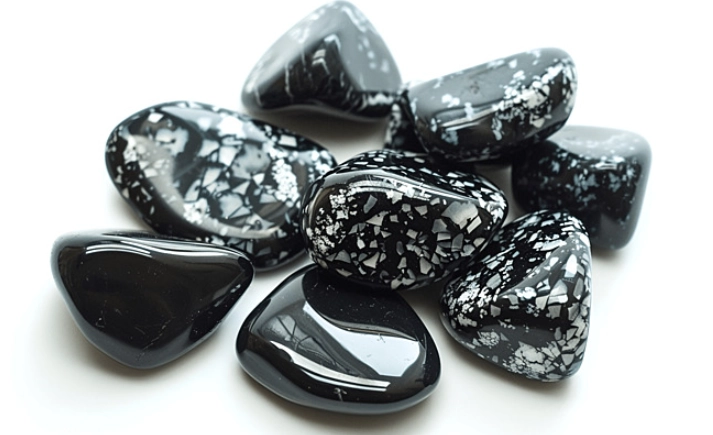
Let's talk about blue tourmaline. You might have seen it in a jewelry store, a deep, captivating blue that seems to hold light within. Or maybe you've heard it mentioned in conversations about crystals and energy. But there's a lot of confusion out there. Is it just a blue version of black tourmaline? Why is it sometimes called indicolite? And more importantly, if you're thinking of buying a piece, how do you know you're getting the real deal and not just overpaying for a piece of blue glass or, more commonly, a cheaper look-alike like blue topaz?
I've been collecting and working with crystals for over a decade, and blue tourmaline holds a special place. It's not the most common variety, which adds to its intrigue and, unfortunately, to the number of mislabeled stones in the market. This guide is going to cut through the noise. We'll look at what it actually is, where that stunning color comes from, how to identify genuine stones, and the practical ways you can use it—whether you're into jewelry, meditation, or just want a beautiful, meaningful object in your home.
What's Inside?
What Exactly Is Blue Tourmaline?
First things first, blue tourmaline isn't a separate mineral. It's a color variety of the mineral species elbaite, which is part of the larger tourmaline family. The blue color primarily comes from traces of iron within its crystal structure. Sometimes you'll hear it called indicolite, which is just the gemological term for the blue-to-blue-green varieties. The name comes from the Latin "indicum," meaning indigo.
One of the coolest things about it? It's pleochroic. That's a fancy word meaning the color can look different depending on the angle you view it. Hold a rough crystal one way, and it might look a deep navy. Tilt it, and you could see a lighter, almost aqua blue. This is a dead giveaway you're dealing with a real tourmaline and not a synthetic or simulant.
A quick note on color: Don't expect a uniform, flat blue like you see in synthetic sapphire. Natural blue tourmaline often has slight color zoning—streaks or patches of lighter and darker blue, or even hints of green. This isn't a flaw; it's a signature of its natural origin. The most prized stones have a rich, saturated cornflower or sapphire blue, but the sea-green blues are beautiful in their own right.
Where Does It Come From?
Major sources have shifted over the years. Historically, Brazil was (and still is) a huge producer. But some of the finest, most intensely colored blue tourmaline in recent decades has come from Nigeria and Mozambique. Afghan and Pakistani mines also produce stunning specimens, often with exceptional clarity. The location can influence the price and character, but a stone's individual color and clarity matter more than its passport.
How to Identify Real Blue Tourmaline (And Avoid Common Fakes)
This is where most beginners get tripped up. The market is flooded with look-alikes. The most common impostor isn't even glass—it's blue topaz. Topaz is often treated to achieve a similar blue, it's much more common, and it's cheaper. Sellers might use the vague term "blue gemstone" or, in some cases, outright mislabel it.
Here’s a simple table to help you spot the differences:
| Feature | Blue Tourmaline (Indicolite) | Blue Topaz (Treated) | Synthetic Sapphire |
|---|---|---|---|
| Color | Often slightly greenish or grayish blue, can be zoned. Pleochroic. | Usually a very pure, even sky or Swiss blue. No pleochroism. | Very even, intense blue. Can look "too perfect." |
| Hardness (Mohs) | 7 to 7.5 | 8 | 9 |
| Price Point | Moderate to high. Good color demands a premium. | Low to moderate. Very affordable. | Low (for synthetic). |
| Key Test | Look for pleochroism. Check for slight inclusions. | Often flawless, very clean. Heft feels lighter than tourmaline of the same size. | Extremely clean, may have curved growth lines under magnification. |
My personal rule? If a deal on "blue tourmaline" seems too good to be true, it probably is. A reputable seller will happily tell you it's topaz if that's what it is. Ask directly: "Is this natural indicolite tourmaline?"
Your Blue Tourmaline Buying Checklist
Ready to buy? Whether it's a loose stone, a pendant, or a ring, run through this list. I learned these points the hard way after a few disappointing purchases early on.
- Clarity over perfection: Small, natural inclusions (like needle-like rutile) are common and prove it's natural. A completely flawless, cheap "blue tourmaline" is a red flag.
- Cut is king: A good cutter will orient the stone to show the best blue face-up. A poorly cut stone can look washed out or dark. Look for brilliance and life.
- Color saturation: Deeper, more saturated blue typically costs more. But trust your eye—do you love the sea-green blue? Then that's the right one for you.
- Setting matters: For a ring (which takes more knocks), ensure it's in a protective setting like a bezel or has sturdy prongs. For pendants, you have more flexibility.
- Ask for documentation: Any reputable dealer should provide some info. For higher-priced pieces, a lab report from an authority like the Gemological Institute of America (GIA) is ideal.
Blue Tourmaline Meaning and Practical Uses
Beyond its beauty, blue tourmaline is associated with calm, communication, and truth. In crystal healing traditions, it's linked to the throat chakra. Think of it as a tool for clear, compassionate speaking and active listening.
But let's get practical. How do you actually use it?
For Jewelry and Daily Wear
Wearing it as a pendant keeps it close to the throat area. A ring serves as a constant, subtle reminder to speak your truth. The advantage of tourmaline's good hardness (7-7.5) is that it's suitable for daily wear with a little care. I wear my indicolite pendant almost every day.
For Meditation and Mindfulness
Hold a tumbled stone in your hand during meditation. Focus on its cool, smooth surface. Some people find it helps quiet mental chatter, making it easier to sit with stillness. I don't buy into magical claims, but I can't deny the focusing effect a beautiful object can have.
For Your Space
Place a raw or polished piece on your desk or in your living room. It's a conversation starter. More than that, choosing objects we find meaningful for our environment is a core part of creating a home that feels like us. It's decor with a personal story.
Care and Cleaning: Keeping Your Stone Vibrant
Tourmaline can fade with prolonged, direct sunlight. Don't leave it on a sunny windowsill for months. For cleaning, warm soapy water and a soft brush are perfect. Avoid ultrasonic cleaners and steamers, as the vibrations and sudden heat can sometimes cause fractures, especially if the stone has inclusions. Dry it with a soft cloth. Store it separately from harder gems like sapphire or diamond to prevent scratches.
Your Questions, Answered (By a Collector)
Blue tourmaline is a gem that rewards a closer look. It's not the flashiest stone, but its depth and variation are what make it fascinating. Whether you're drawn to its color, its supposed properties, or simply its uniqueness, taking the time to find a genuine piece is worth it. It becomes more than a purchase; it's a small piece of the natural world, shaped and polished, that you get to carry with you.
Related Articles
Selenite Crystal Meaning: Spiritual Uses, Healing & How to Avoid Fakes
What is the Spirituality of Citrine? A Complete Guide
Aventurine Crystal: Meaning, Benefits, and How to Use It
Unlock Abundance: The Complete Guide to Citrine Crystal Meaning & Uses
Is Dalmatian Jasper Rare? The Truth About This Spotted Stone