Let's cut straight to the point. Most people find white sapphire because they're looking for an affordable diamond look-alike. But if you stop there, you're missing 90% of the story. The real magic of a white sapphire isn't just in your wallet—it's in its history, its energy, and the unique practical benefits it brings to your daily life that a diamond simply can't match. I've worked with gems for over a decade, and the number of clients who buy a white sapphire for price and later rave about its other qualities is staggering. This isn't a consolation prize; it's a conscious choice with its own powerful advantages.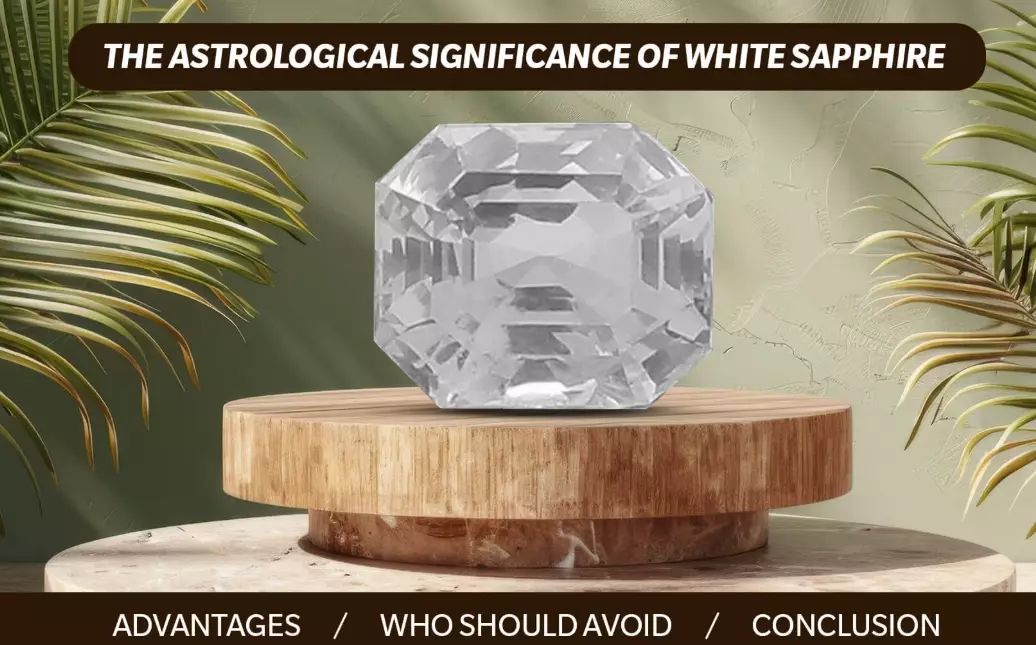
What You'll Discover in This Guide
The Core Healing & Mental Benefits of White Sapphire
Forget the vague "brings clarity" descriptions you see everywhere. Let's get specific about what white sapphire is believed to do, based on centuries of lore and modern crystal practice. Its color—or lack thereof—is key. Unlike colored gems that channel specific energies, white sapphire is seen as a purifier and amplifier.
Mental Clarity and Focus. This is its superstar trait. I often recommend a small, raw white sapphire point for students or anyone in a mentally taxing job. The idea isn't mystical thinking; it's about having a physical touchstone. When your mind is scattered, holding a cool, smooth stone and focusing on its clarity can be a powerful cue to recenter. It's a tool for mindfulness. A client who is a software developer keeps one on his desk. He doesn't believe it codes for him, but he says the act of fidgeting with it during debugging sessions helps him break mental loops.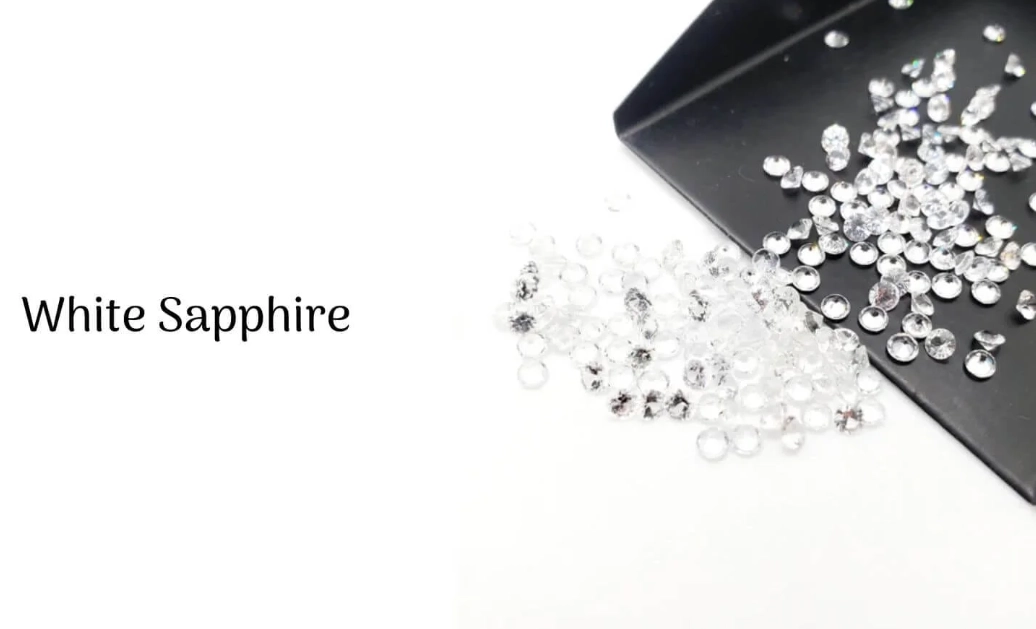
Emotional Detox. White sapphire is traditionally linked to purifying negative emotional patterns. Think of it less as a magic eraser and more as a support for setting boundaries. Wearing it as a pendant is popular for this reason—it sits near the throat and heart. The common mistake? People expect immediate catharsis. It's more subtle. You might find yourself less reactive in arguments or quicker to identify when you're slipping into old, unhelpful emotional habits.
Amplifying Intentions. This is where its corundum family (same as ruby) toughness comes in metaphorically. It's said to strengthen your resolve. If you set a goal—career, personal, creative—meditating with or wearing white sapphire is thought to help lock that intention in, making it more resilient to doubt. It's not about attracting luck, but about fortifying your own commitment.
A Quick Reality Check: These benefits are rooted in metaphysical beliefs and personal experience, not clinical science. Their power comes from your connection to the stone and the conscious practices you build around it. Don't buy a stone expecting passive miracles. Buy it as a partner for your own active growth.
Practical Benefits in Jewelry & Everyday Life
This is the tangible stuff. Why does white sapphire make sense for your jewelry box or home?
Durability for Daily Wear. With a Mohs hardness of 9 (diamond is 10), white sapphire is the second hardest natural gemstone on earth. This isn't just a trivia fact. It means a white sapphire engagement ring or daily-wear bracelet can handle office work, gardening, errands—you name it—with minimal risk of scratching. Compared to other diamond alternatives like moissanite (9.25) or cubic zirconia (8-8.5), it's in the top tier for scratch resistance. I've seen rings passed down through generations that still look sharp.
Unmatched Versatility in Style. Its neutral white sparkle pairs with everything. Yellow gold, white gold, rose gold, platinum—it doesn't clash. It dresses up a casual outfit and complements formal wear without trying too hard. This versatility extends to home decor. A single, well-cut white sapphire point on a bookshelf or desk adds a refined, clean energy to a room without the ostentation of a large crystal cluster.
The Ethical and Budget-Friendly Choice. Here's a concrete scenario. You have a $3,000 budget for an engagement ring. With a diamond, you might get a small, mediocre stone. With a white sapphire, you can get a stunning 2-carat center stone in an excellent setting with intricate detail from a known artisan. You're supporting smaller jewelers and avoiding the complex ethical supply chains associated with some diamonds. The Gemological Institute of America (GIA) provides extensive resources on corundum (sapphire), which is generally mined with less large-scale conflict baggage than diamonds have historically carried.
White Sapphire vs. Diamond: The Real Comparison Beyond Price
Yes, it's cheaper. But the differences are aesthetic and physical, and whether they matter depends entirely on you.
The biggest non-consensus point I tell clients: A white sapphire will never, ever look exactly like a diamond, and that's perfectly fine. Trying to make it a perfect fake is where people get disappointed. Appreciate it for its own character.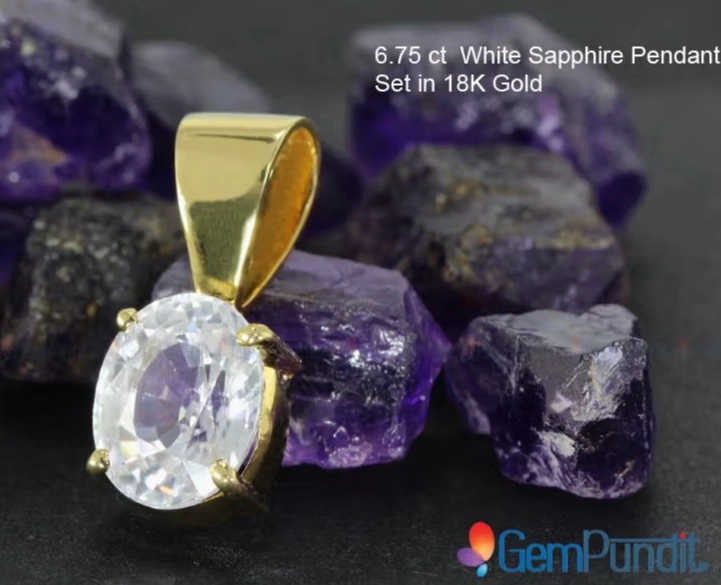
| Aspect | White Sapphire | Diamond |
|---|---|---|
| Brilliance & Fire | Offers a softer, silvery-white or grayish sparkle. Its brilliance is more subdued and scattered. In lower lighting, it can appear slightly milky or glassy. | Famous for its intense "fire" (rainbow flashes) and brilliant white sparkle due to its high refractive index and dispersion. It performs in all lights. |
| Clarity & Inclusions | Almost always has some natural inclusions (feathers, silk). A completely "eye-clean" stone is rarer and commands a higher price. These inclusions are part of its natural fingerprint. | Can be found in Flawless grades, but most jewelry diamonds have minor inclusions. The market highly values clarity. |
| Hardness & Wear | 9 on Mohs scale. Extremely durable for daily wear, but can still be scratched by a diamond or another sapphire. | 10 on Mohs scale. The hardest, most scratch-resistant substance known. |
| Cost (for 1-cat eye-clean stone) | $300 - $800 per carat (highly variable based on cut and origin). | $3,000 - $20,000+ per carat for a good quality 1-carat stone. |
| Best For Someone Who... | Prefers a subtle, elegant sparkle; values metaphysical properties; prioritizes budget for design size; seeks an ethical, low-profile stone. | Desires the ultimate in traditional brilliance and fire; values the cultural status and investment perception; has a higher budget. |
My personal take? I love diamonds for their performance. But I respect white sapphires for their character and accessibility. A well-cut white sapphire in a beautiful setting looks expensive and intentional, not like a "cheap imitation."
How to Choose the Right White Sapphire for Maximum Benefit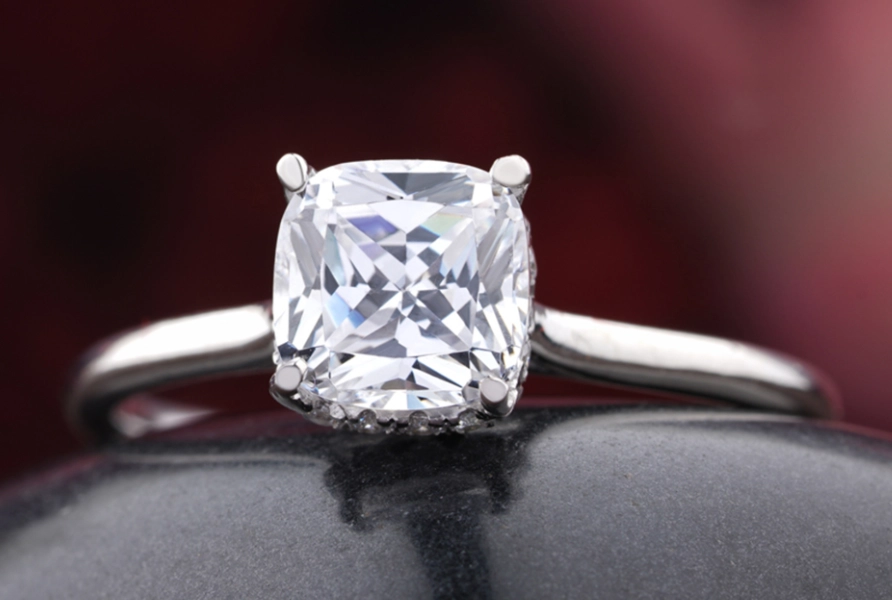
Not all white sapphires are equal. A poor choice can leave you with a dull, lifeless stone that reinforces the wrong ideas about this gem.
Cut is King (and Queen)
This is the most critical factor, period. A great cut maximizes the light return in a stone with a lower refractive index than diamond. Look for precision-cut stones from lapidaries who specialize in sapphires, not just generic gem cutters.
Avoid commercial-grade cuts that are too shallow or too deep—they leak light and look dead in the center. A custom or premium cut will cost more per carat but will look twice as large and brilliant. I'd rather have a 0.75-carat expertly cut stone than a 1.5-carat poorly cut one.
Understanding Color and Clarity
"White" is a spectrum. It can range from a pure, icy white to a soft gray or even a very faint yellowish hue. The whitest stones are most prized for jewelry meant to mimic diamond. Those with a slight gray or blue tint can have a beautiful, cool, moonstone-like quality that's unique.
Inclusions are normal. The key is whether they're visible to the naked eye and where they're located. A feather near the girdle under a prong is a non-issue. A large, dark crystal right under the table will always be visible. For healing stones, some believe inclusions add character and unique energy; for jewelry, eye-cleanliness is usually the goal.
Setting and Metal Matters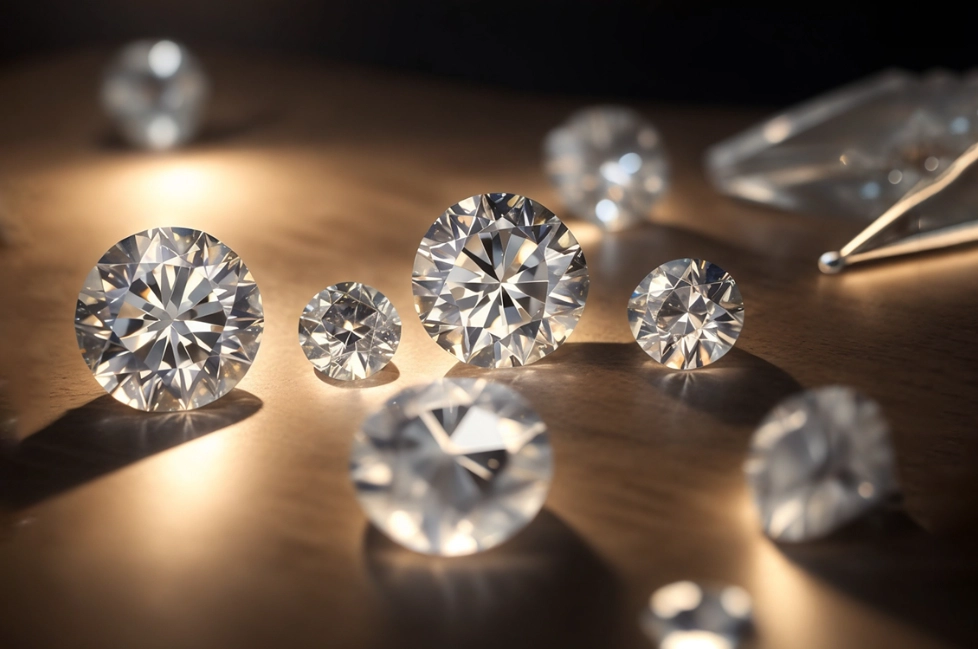
To enhance a white sapphire's sparkle, pair it with a bright white metal like white gold or platinum. The setting should allow plenty of light in from all sides—avoid bezel settings if you want maximum brilliance. For a pendant meant for healing, a simple prong or cage setting that lets the stone touch the skin is often preferred.
Your White Sapphire Questions Answered
I'm on a tight budget but want a durable engagement ring. Is white sapphire a good choice, and what's the biggest pitfall to avoid?
It's an excellent choice for durability and cost. The pitfall isn't the stone itself—it's skimping on the cut. A cheap, poorly cut white sapphire will look flat and glassy, betraying its value. Allocate a significant portion of your budget to a precision cut from a reputable seller, even if it means a smaller carat weight. A 0.5-carat brilliant cut will impress far more than a 1-carat dull one.
For mental clarity benefits, is it better to wear the sapphire or just keep it nearby?
There's no universal rule, but skin contact is generally believed to create a stronger energetic connection. A ring or pendant works well. However, if you're easily overstimulated (some people find crystal energy too intense at first), start by keeping it on your desk or in a pocket. The key is consistency. Interact with it daily—hold it during meditation, glance at it when making decisions—to build the associative mental clarity habit.
 How does white sapphire compare to moissanite for an engagement ring? Everyone talks about moissanite's fire.
Moissanite has more fire (rainbow flashes) than a diamond, making it incredibly sparkly—some say excessively so. White sapphire has a much more subdued, silvery sparkle. It comes down to personality. Do you want a stone that screams for attention (moissanite) or one that offers a quiet, elegant confidence (white sapphire)? Durability is similar (moissanite is slightly harder at 9.25). White sapphire feels more "natural" to purists, as moissanite is lab-created, while sapphire can be natural or lab-grown.
Can a white sapphire get cloudy or dirty easily, and how do I clean it?
Any stone can look dull with body oils, lotion, and dirt. White sapphire might show this more than a diamond because its sparkle is softer. Cleaning is simple: warm water, mild dish soap, and a soft toothbrush. Avoid harsh chemicals and ultrasonic cleaners if the stone has significant fractures. A quick rinse every few weeks keeps it shining. The cloudiness you sometimes hear about is usually due to a poor cut or body grease, not the stone degrading.
Is a lab-created white sapphire less beneficial for healing than a natural one?
This is a major point of debate. Traditionalists argue that a stone formed over millions of years in the earth carries a deeper, more stable energy. Others, including many modern practitioners, believe the identical chemical structure (Al2O3) holds the same vibrational potential, and the intention programmed into it during creation is powerful. My experience? Both work. If you feel a deep connection to Earth's history, go natural. If you value ethical certainty and perfection, a lab stone is a fantastic, potent option. Don't let anyone gatekeep the benefits based on origin alone.
Related Articles
3D NAND, how can it be played?
Who Should Avoid Rose Quartz? 5 Surprising Reasons & Safer Alternatives
Pink Quartz vs Rose Quartz: A Crystal Guide to Differences and Uses
Peridot Meaning: Your Guide to the Healing Stone of Light

Antares and Star Meaning: Unraveling the Heart of the Scorpion
