In This Guide
- The Nuts and Bolts: Physical & Chemical Properties of Azurite
- Beyond the Blue: Metaphysical and Healing Properties of Azurite
- Practical Uses: How to Work With Azurite Crystal Properties
- Azurite vs. The Look-Alikes: Don't Get Fooled
- Your Azurite Questions, Answered (FAQ)
- The Not-So-Glamorous Side: Downsides and Final Thoughts
Let's talk about azurite. You've probably seen it – those stunning, deep blue crystals that look like a piece of the midnight sky got trapped in rock. I remember the first time I held a raw piece. It was heavier than I expected, and the color... it wasn't just blue. It was this intense, almost velvety azure that seemed to suck the light right in. I was hooked. But beyond its obvious beauty, what's the real deal with azurite crystal properties? That's what we're diving into today.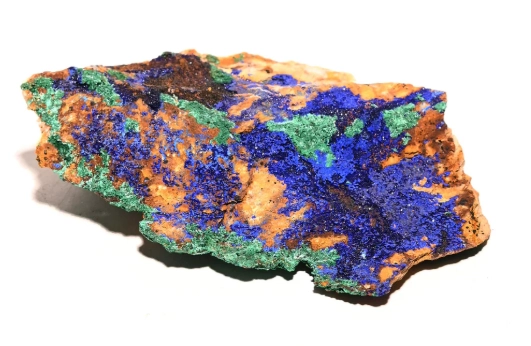
Forget the fluffy, vague descriptions you might find on some sites. We're going to get into the gritty details – the science, the folklore, the practical uses, and even the downsides. Because no crystal is perfect, and pretending they are doesn't help anyone make good decisions. Whether you're a seasoned collector, a curious beginner in crystal healing, or just someone who appreciates cool rocks, understanding the full spectrum of azurite crystal properties is key.
Bottom Line Up Front: Azurite is a copper carbonate mineral, famous for its deep blue color. Its properties span the physical (it's quite soft and can fade) to the metaphysical (it's a powerhouse for intuition and mental clarity). It's not your everyday, wear-it-everywhere stone, but for specific uses, it's incredibly potent.
The Nuts and Bolts: Physical & Chemical Properties of Azurite
Before we get to the mystical stuff, you gotta know what you're actually holding. This is where a lot of guides skim over, but it's crucial. Knowing the physical azurite crystal properties tells you how to care for it and what to expect.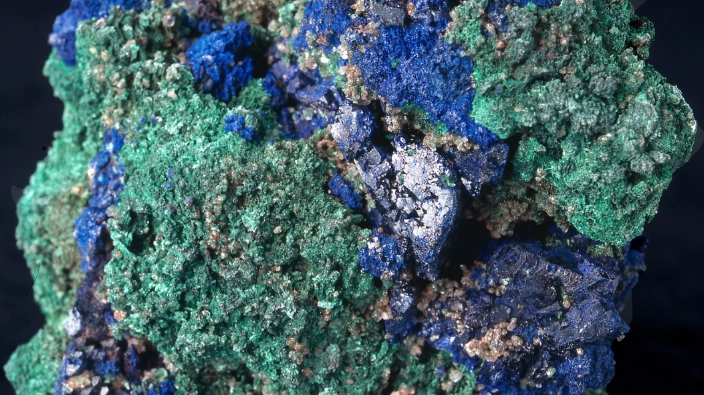
Azurite is, at its core, a basic copper carbonate. Its chemical formula is Cu3(CO3)2(OH)2. The copper is what gives it that signature blue – the same element that turns the Statue of Liberty green, ironically. It forms in the oxidized zones of copper ore deposits, often hanging out with its green cousin, malachite. When they grow together, it's called azurmalachite, and it's a stunning blue-and-green swirl.
Here’s a quick breakdown of the essential physical facts. I find a table helps to digest this kind of info without it being a dry list.
| Property | Detail | What It Means For You |
|---|---|---|
| Color | Deep azure blue to very dark blue; can be lighter. | The most defining feature. Intensity varies. |
| Mohs Hardness | 3.5 to 4 | Quite soft. Can be scratched by a knife. Not great for rings or braceets subject to daily knocks. |
| Crystal System | Monoclinic | Often forms tabular or prismatic crystals, but also masses and nodules. |
| Luster | Vitreous to dull in masses | Polished pieces are shiny; raw masses can be earthy. |
| Streak | Light blue | The color of its powder. A key identifier for geologists. |
| Specific Gravity | 3.77 - 3.89 | Feels surprisingly heavy for its size (heavier than most common rocks). |
| Transparency | Transparent to translucent | Thin crystals can let light through; chunks are usually opaque. |
Now, here's a personal gripe. Some sellers will market "azurite" jewelry that's actually just dyed howlite or something else. A real piece of azurite in a ring setting meant for daily wear is a bad idea unless it's very well protected. That softness isn't a joke. I learned this the hard way with a small, polished cabochon I kept in my pocket—it got scratched up by my keys in no time. So, one of the most practical azurite crystal properties to remember is its fragility.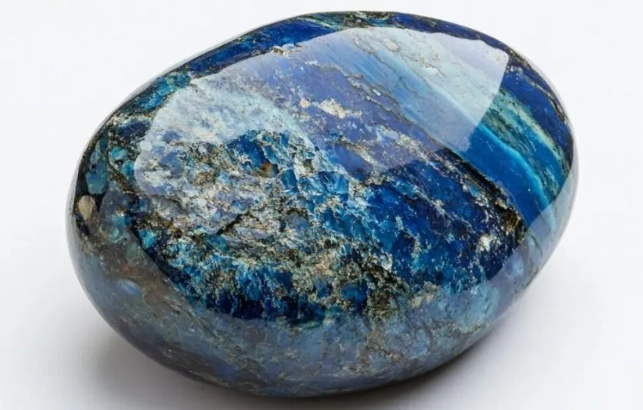
Another critical point: it can be sensitive. Prolonged exposure to strong light, heat, or even acidic skin pH can cause it to lose its luster or even start to alter into malachite (a process called pseudomorphism). Don't leave it on a sunny windowsill as decoration. Keep it in a box or a drawer when you're not using it. This isn't just me being fussy; mineralogical resources like Mindat.org, a trusted mineral database, confirm its sensitivity.
Beyond the Blue: Metaphysical and Healing Properties of Azurite
Alright, this is the part most people search for. The metaphysical azurite crystal properties. This is where folklore, tradition, and modern crystal healing practices come in. I'll lay out the common beliefs, but I'll also tell you where I think they hold water and where they might feel a bit stretched.
Traditionally, azurite has been called the "Stone of Heaven." Ancient Egyptians used its powdered form as a pigment (Egyptian blue) for sacred art. Medieval European painters used it for the robes of the Virgin Mary. There's a long history linking this blue to the divine, the intuitive, and the celestial. So, its reputation isn't new-age fluff; it's ancient.
The Mind and Intellect: Clarity and Perception
This is, hands down, azurite's biggest claimed talent. The core metaphysical properties of azurite are tied to cutting through mental fog. If your mind feels cluttered with "what-ifs," anxiety loops, or just too much information, azurite is said to act like a mental defragmenter.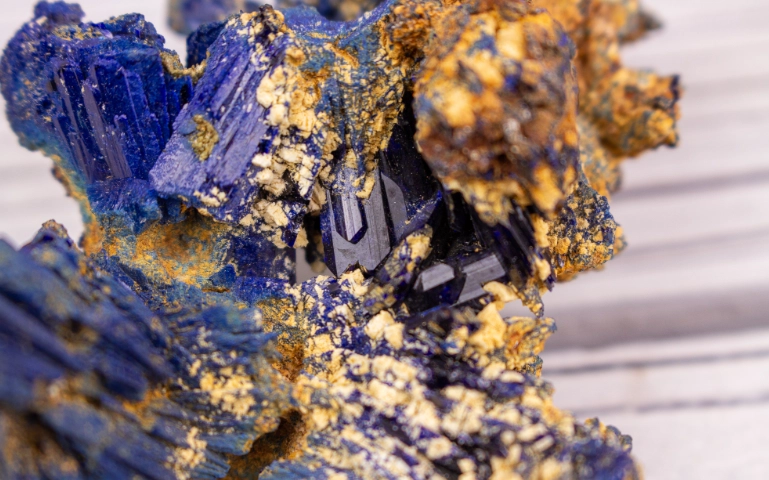
It's believed to stimulate the Third Eye and Throat Chakras. The Third Eye connection is about intuition and inner vision. The Throat Chakra link is about expressing the insights you receive. So the idea is: it helps you see clearly (internally) and then have the courage to speak that truth.
I've used it during times of decision-making. I can't scientifically prove it moved the needle, but I will say that holding a piece and focusing on a problem often helped me step back from emotional reactivity. It created a space for a cooler, more objective view. Maybe it's placebo, maybe it's the act of focused intention—but the effect, for me, was real.
My Take: Where azurite's properties really seem to shine is in breaking obsessive thought patterns. That mental hamster wheel we all get on? Azurite's energy is often described as penetrating and direct, which might help you step off the wheel. It's less about gentle comfort and more about truthful, sometimes blunt, clarity.
Emotional and Spiritual Release
This ties directly to the above. You can't have mental clarity if you're buried under old emotional baggage. Many believe one of the key healing properties of azurite is its ability to bring buried fears, traumas, or outdated beliefs to the surface so they can be examined and released.
This process isn't always comfortable. Think of it like spiritual spring cleaning. You might dredge up some dust. Because of this, some advise using azurite with care if you're feeling emotionally raw or unstable. Pairing it with a grounding stone like smoky quartz or hematite is a common recommendation to help integrate the insights without feeling unmoored.
What is azurite good for in spiritual practice? Meditation, hands down. Gazing into its depth can be a focal point for journeying inward. Placing it on the forehead (Third Eye) during meditation is a classic technique for seeking inner vision or accessing deeper layers of the subconscious.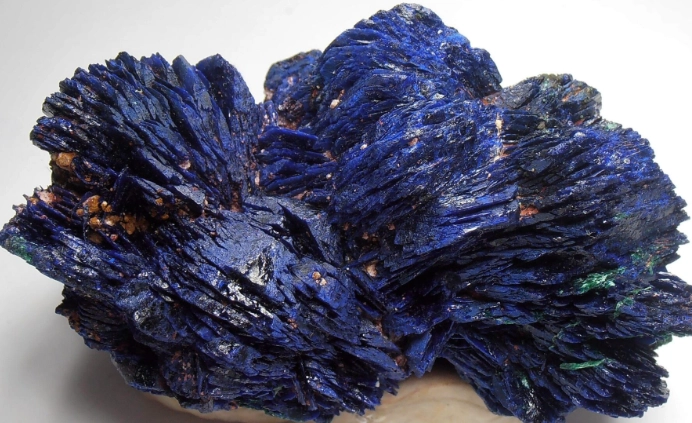
Practical Uses: How to Work With Azurite Crystal Properties
Knowing the theory is one thing. Using it is another. Let's get practical. How do you actually harness these azurite crystal properties in your life?
Meditation Aid: As mentioned, this is its superstar role. Hold it, place it on your body, or simply have it in your space. Set an intention like "reveal the truth of this situation" or "clear my mental clutter."
Dream Work: Placing azurite under your pillow or on a bedside table is said to enhance vivid dreams and promote recall. The idea is that it opens a channel to subconscious symbolism. Keep a dream journal handy if you try this.
Study or Creative Work: Having a piece on your desk while studying, writing, or brainstorming is believed to help with concentration and accessing new ideas. It’s like a creativity booster that also helps organize thoughts.
Energy Grids: In crystal healing layouts, azurite is often used as a central point in grids designed for psychological healing, psychic development, or breaking bad habits.
A Word of Caution: Do NOT make an elixir or "crystal water" with azurite by putting it in drinking water. Remember, it's a copper carbonate. Copper can be toxic in certain forms and quantities. For internal use, stick to modalities prescribed by qualified healthcare professionals. For energetic purposes, you can place a glass of water *near* the crystal, or create an indirect elixir by placing your azurite outside a sealed glass container holding water.
Cleaning and charging azurite also needs a gentle touch. Because of its sensitivity:
- Do: Smudge with sage or palo santo, use sound (a singing bowl or bell), place it on a bed of cleansing crystals like selenite or clear quartz, or gently rinse under lukewarm running water and pat dry immediately. Some even recommend burying it in dry earth for a short time.
- Avoid: Prolonged soaking in water, salt water, sunlight, or extreme heat. These can damage the stone.
Azurite vs. The Look-Alikes: Don't Get Fooled
This is a super common point of confusion. Azurite's stunning blue isn't totally unique. Knowing how to distinguish it helps you buy the real thing and understand its specific energy. Let's compare.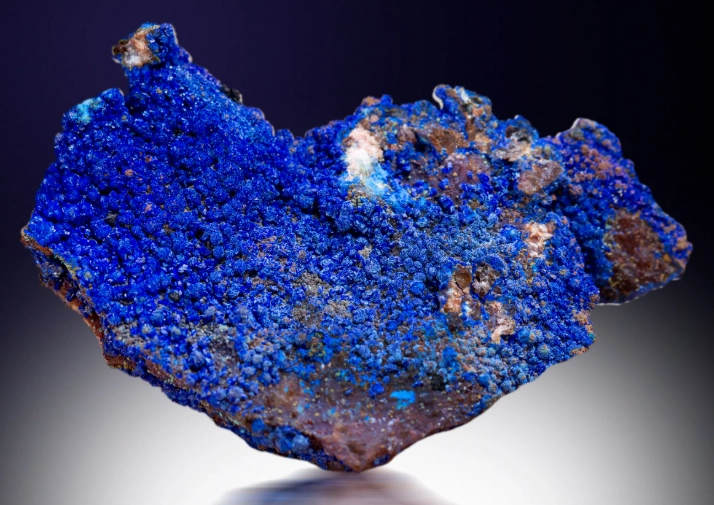
| Stone | Key Differences from Azurite | Common Confusion Point |
|---|---|---|
| Lapis Lazuli | Lapis is a rock, not a single mineral. It contains pyrite flecks (gold sparkles) and often has white calcite veins. Its blue can be similar but usually has those tell-tale gold bits. | Both are deep blue. Lapis is much harder (5-6). |
| Sodalite | Sodalite blue is often lighter, more of a royal blue, and almost always has white veining or patches. It lacks the velvety depth of fine azurite. | The white patterning is the biggest clue. No copper carbonate. |
| Dumortierite | Usually a lighter, denim blue, often in quartz. It can look similar in rough form but is harder (~7). | Less common, but sometimes sold as "blue quartz." |
| Azurmalachite | This IS azurite, just mixed with malachite. So it's blue AND green in swirly patterns. | People sometimes think it's a different stone, but it's a natural combo of the two. |
The streak test (scraping it on unglazed porcelain) gives light blue for azurite. Lapis gives a light blue streak too, but those pyrite flecks are a dead giveaway.
Your Azurite Questions, Answered (FAQ)
I get asked these all the time. Covering these should knock out most of your lingering doubts about azurite crystal properties.
- With Malachite: The classic combo (azurmalachite). Malachite is for heart healing and emotional risk-taking. Together, they're believed to facilitate deep psychological healing—azurite reveals the issue, malachite helps the heart process it.
- With Clear Quartz: Amplifies all azurite crystal properties and helps clarify the insights received.
- With Smoky Quartz or Hematite: Provides essential grounding. Azurite's energy can be very "heady" and upward-moving. These stones bring you back to earth, preventing you from feeling spacey or disconnected after deep work.
- With Lapis Lazuli: A powerful duo for deep psychic and intellectual work, combining wisdom with insight.
The Not-So-Glamorous Side: Downsides and Final Thoughts
I think it's dishonest to only sing praises. So let's be real about the potential downsides of azurite crystal properties.
First, its physical delicacy is a hassle. You can't just toss it around. It demands care. If you want a tough, worry-free blue stone, go for sodalite or lapis.
Second, the emotional/mental digging it's said to promote can be intense. If you're in a fragile state, working with azurite might feel like poking a bruise. It's not a gentle comforter like rose quartz. It's a truth-revealer, and truth can sometimes sting. Start slow. Don't meditate with it for hours on your first go.
"Azurite doesn't soothe the storm; it shows you the clear sky behind it, but you have to look through the turbulence first."
Finally, there's the cost. Fine, deep blue crystalline specimens from places like the famous mines in Tsumeb, Namibia can be very expensive. You're paying for beauty and rarity. For practical metaphysical use, a smaller, less-perfect specimen or a tumbled stone works just as well and is more affordable.
So, is azurite worth it?
For me, absolutely. When I need to cut through confusion, when my thoughts are a tangled mess, or when I feel like I'm avoiding a hard truth, reaching for my azurite has become a ritual. It's a tool for mental and spiritual hygiene. Its properties are specific and potent.
It's not an all-purpose crystal.
But for the jobs it's good at—mental clarity, intuitive activation, and subconscious exploration—the properties of azurite crystal are, in my experience, hard to beat. Just know what you're getting into, treat it with respect, and it can be a profound ally on your journey. Don't expect it to be easy, but do expect it to be insightful.
Hope this deep dive helped. Go find a piece, hold it, and see what it tells you. Just maybe keep it away from your keys.
Related Articles
Unlocking Jasper Stone Meaning: Healing, Colors & Uses
Rose Quartz Metaphysical Guide: Healing, Uses & How to Cleanse
Tigers Eye Protection: Unlock Its Power for Safety and Clarity
Selenite Crystal: Meaning, Uses & Healing Properties Explained
The Rarest Kunzite Color: A Collector's Guide