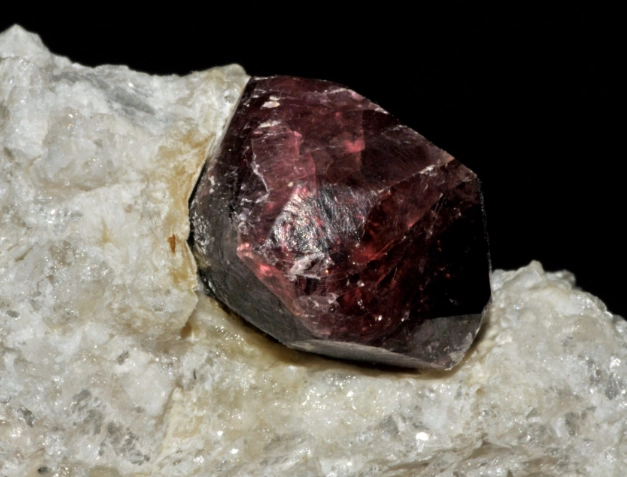
Turquoise isn't just a trendy color or a souvenir from the Southwest. This ancient gemstone carries a weight of history, spirituality, and practical use that most people gloss over. At its core, turquoise meaning revolves around protection, honest communication, and emotional balance—but there's a lot of misinformation out there. I've worked with crystals for over a decade, and I've seen folks make the same mistakes with turquoise, treating it like any other rock. Let's cut through the noise.
What's Inside This Guide
The Ancient Roots of Turquoise
Turquoise pops up in archaeology like a persistent friend. The Egyptians buried pharaohs with it—think King Tut's death mask—believing it warded off evil. Native American tribes, like the Navajo and Pueblo, saw it as a piece of the sky, using it in rituals and jewelry for centuries. Persia (modern Iran) called it "pirouzeh" meaning victory, and their stones are still considered some of the finest.
What most articles miss? Turquoise was often a trade currency. It traveled the Silk Road, linking cultures. That's why its meaning isn't static; it absorbed beliefs from across continents. I once held a 500-year-old Persian turquoise bead, and the energy felt different—denser, more traveled. New-age sites reduce this to "ancient wisdom," but it's about tangible history.
Spiritual Meanings: Protection, Truth & More
Spiritually, turquoise is a multi-tool. But let's break it down without the fluff.
Protection and Good Fortune
Many cultures used turquoise as a talisman against harm. Riders attached it to horses' bridles to prevent falls. Today, I tell people to keep a small piece in their car or bag—not as magic armor, but as a mental anchor for safety. It's about the intention, not superstition.
Communication and Truth
The blue-green color is linked to the throat chakra. In practice, wearing a turquoise necklace might help you speak more clearly in tough conversations. I've used it before presentations, and while it's no public-speaking cure, it reminds me to breathe and be authentic. Some claim it "aligns vibrations," but honestly, it's more about mindfulness.
Quick Tip: If you're negotiating or having a heartfelt talk, hold a turquoise stone in your hand. The physical touch can ground your words.
Turquoise Healing Properties: What Actually Works
Healing properties get exaggerated. Turquoise is said to aid physical issues like inflammation or detox, but there's zero scientific proof. Where it shines is emotional support.
Users report reduced anxiety and stress. The color psychology checks out—blue-green tones are calming. A study from the American Psychological Association notes that blue environments can lower heart rate, but it's not gem-specific. I integrate turquoise into meditation: place it on your chest, focus on its coolness, and visualize tension melting. It's a tool, not a pill.
Pain relief? Maybe placebo, but if it helps, why knock it? I knew a artist with arthritis who swore by turquoise bracelets; she said the distraction eased her focus on pain. The mind-body connection is real.
How to Pick a Real Turquoise Stone (Avoid Fakes)
The market is flooded with dyed howlite or plastic imitations. Here's a blunt guide.
| Type | Key Features | Best For | Price Range |
|---|---|---|---|
| Natural Turquoise | Uneven color, matrix lines (web-like patterns), porous feel | Collectors, spiritual purists | $$$ (expensive) |
| Stabilized Turquoise | Treated with resin, more uniform color, durable | Jewelry, beginners | $$ (mid-range) |
| Reconstituted Turquoise | Powdered stone mixed with binder, very uniform | Budget jewelry, decor | $ (cheap) |
| Fake (Howlite/Dyed) | Too perfect, dye rubs off, no matrix | Avoid—no energetic value | $ (waste of money) |
When buying, ask about origin. Persian and Sleeping Beauty (Arizona) turquoise are top-tier. Don't fall for "enhanced" without disclosure. I once bought a "natural" piece online that turned sticky in heat—it was plastic. Now, I shop from reputable dealers like those certified by the Gemological Institute of America (GIA) for reports.
Practical Ways to Use Turquoise Daily
Forget vague advice. Here are actionable steps.
- Jewelry: Wear a necklace for throat chakra work, or a ring for constant contact. But beware—turquoise is soft. For active lifestyles, pendants are safer.
- Meditation: Hold a palm stone during breathing exercises. Visualize its color washing over you. Five minutes daily can set a calm tone.
- Home Decor: Place a raw turquoise chunk in your living room for a protective vibe. It's a conversation starter, too.
- Workplace: Keep a small stone on your desk. When stress hits, touch it—a tactile reset button.
I've seen clients pair turquoise with black tourmaline for extra grounding. Experiment, but don't overcomplicate.
Common Turquoise Mistakes Experts Spot
After years in this field, I cringe at these errors.
Mistake 1: Cleansing with water. Turquoise is porous. Water seeps in, causing cracks or color loss. Use dry methods like selenite or sound.
Mistake 2: Expecting instant miracles. It's a stone, not a wizard. Spiritual work requires consistency.
Mistake 3: Ignoring setting quality. A beautiful stone in a flimsy setting will break. Opt for bezel settings in jewelry.
Mistake 4: Using it for everything. Turquoise isn't a catch-all. For deep emotional trauma, other stones like rose quartz might pair better.
My worst blunder? Leaving turquoise in direct sun to "charge." It faded to a sad pale blue. Moonlight is safer.
Your Turquoise Questions Answered
Turquoise's meaning is a blend of history, personal belief, and practical use. Don't get lost in mystical jargon. Start with a small, genuine piece, set an intention, and see how it fits into your life. It's been a companion to humans for millennia—maybe it's time to make it yours.
For more on gemstone authenticity, check resources from the Gemological Institute of America (GIA) or cultural studies from the National Geographic Society. These aren't crystal blogs, but they offer grounded facts.
Related Articles
Top 10 Benefits of Ruby Stone: Healing & Spiritual Guide
The True Sodalite Properties Guide: Healing, Uses & Common Mistakes
Obsidian Stone Benefits: Spiritual Protection, Healing & Practical Uses

Who Should Not Wear Kyanite? A Clear Guide for Crystal Safety
Apatite Meaning: Healing Properties, Uses & How to Spot Fake Crystals