If you ask a dozen gem dealers what the rarest color of sapphire is, you might get a dozen different answers. Royal Blue? Cornflower? Pink? The truth is, rarity in gemstones isn't just about what's pretty or popular. It's a brutal equation of geology, market forces, and sheer luck. After years in this trade, I've seen fads come and go, but true rarity stands the test of time. So, let's cut through the marketing hype. The single rarest, most coveted color in the sapphire world is Padparadscha.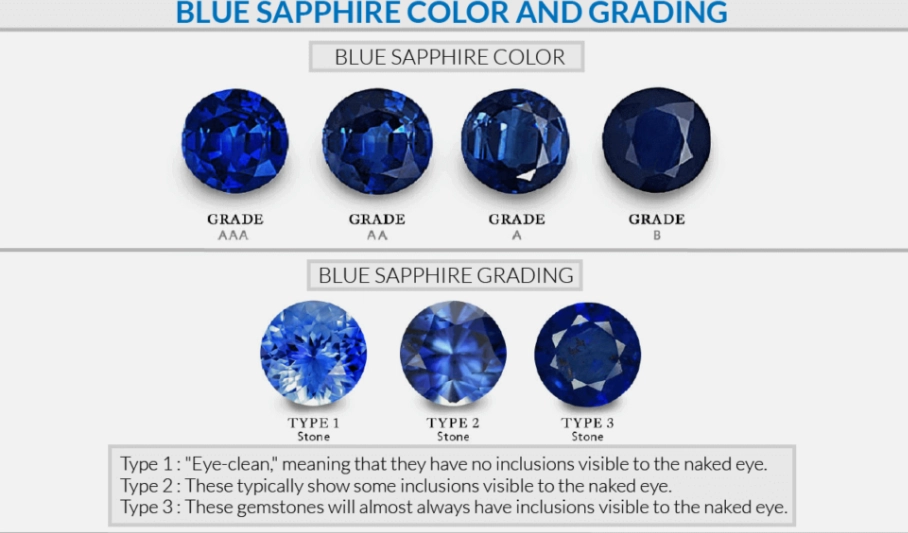
But that's just the headline. The real story is why it's rare, what other colors give it a run for its money, and how you can navigate a market filled with imitations and inflated claims.
Your Quick Guide to Sapphire Rarity
What Makes a Sapphire Color Rare?
We throw the word "rare" around a lot. In gemology, it needs specifics. A color is rare because of a perfect storm of factors.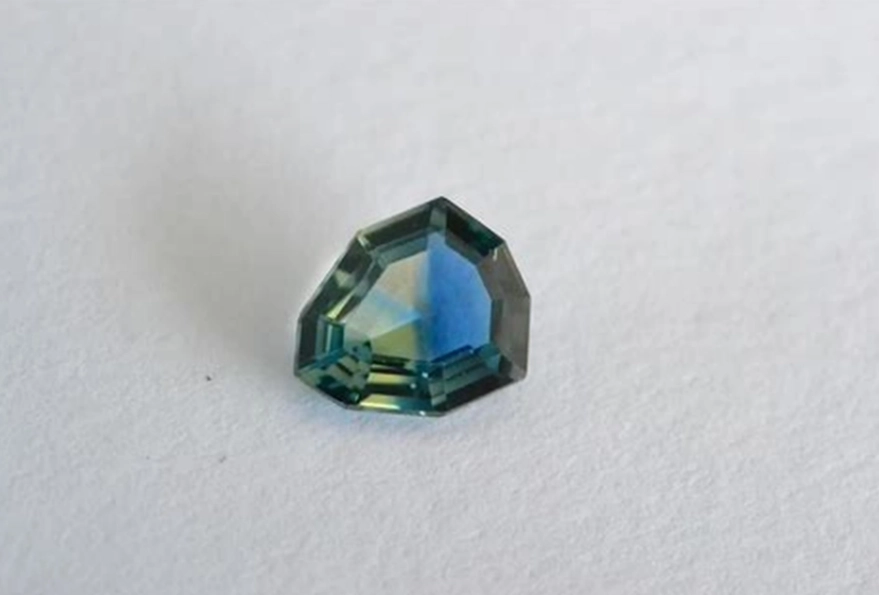
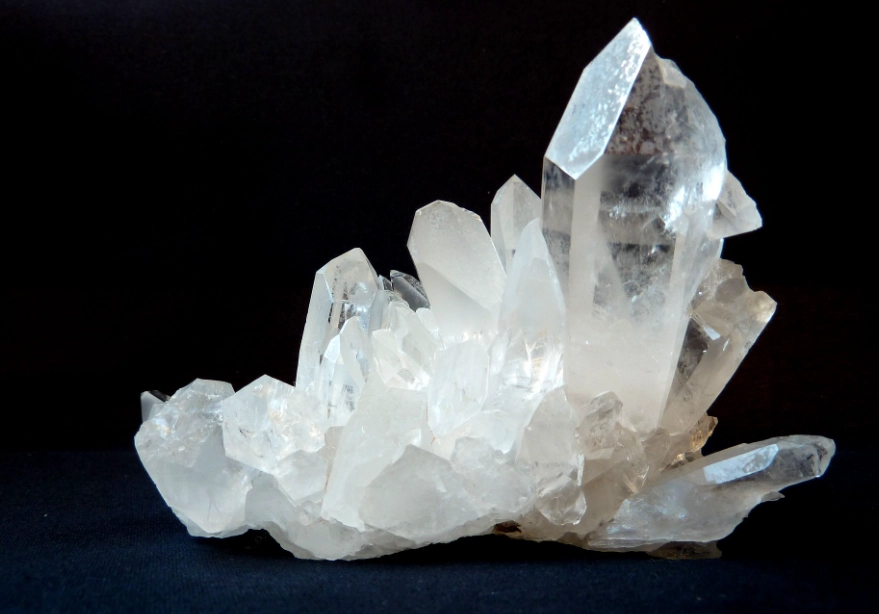
Geology is the first gatekeeper. Sapphires are corundum, aluminum oxide. Pure corundum is colorless. Color comes from trace elements sneaking into the crystal structure as it forms deep underground. Titanium and iron make blue. Vanadium can cause color-change. Chromium creates pink and red (which is ruby). For a Padparadscha, you need a precise, whisper-thin balance of chromium (for pink) and iron (for orange) under very specific temperature and pressure conditions. Mother Nature rarely gets that recipe just right.
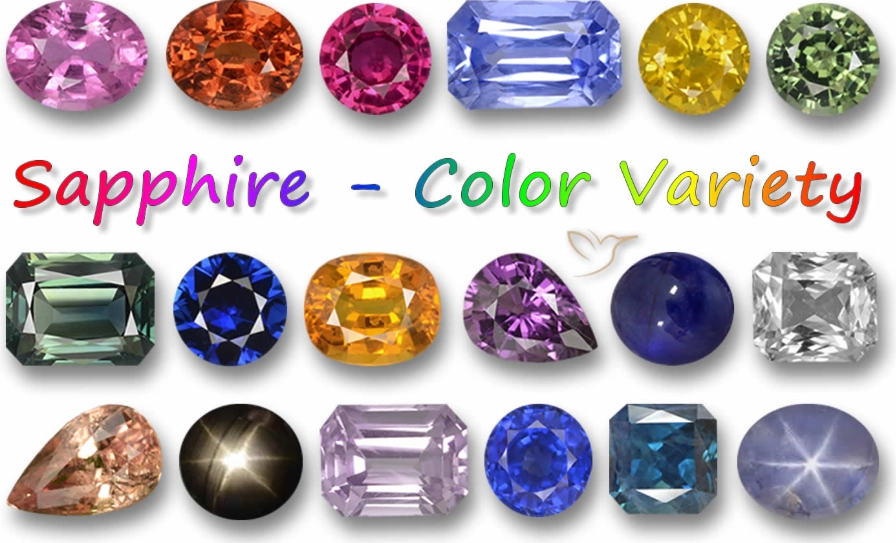
A quick note on "fancy" colors: Any sapphire that isn't blue is called a "fancy color" sapphire. While some fancy colors like yellow are relatively more common, the ones we're discussing here are the rare exceptions within the fancy category.
Then comes supply. Even if a deposit produces a rare color, the yield is often microscopic. The legendary Kashmir mines in India produced the most revered cornflower blue sapphires, but they've been commercially exhausted for nearly a century. Most "Kashmir" sapphires on the market today are either old stock or, more likely, stones from other locations with similar color. True, unheated Kashmir material is a museum piece.
Demand and treatment play huge roles. A beautiful, saturated blue sapphire is always in demand, which can make high-quality stones seem "rare" in the market. But here's the kicker: over 95% of sapphires are heat-treated to improve their color and clarity. This is an accepted, disclosed practice. The true rarity is a stone of exceptional color that comes out of the ground looking that way—a "no heat" or "untreated" gem. When you combine a desirable color with a "no heat" report from a lab like the Gemological Institute of America (GIA), the rarity and price skyrocket.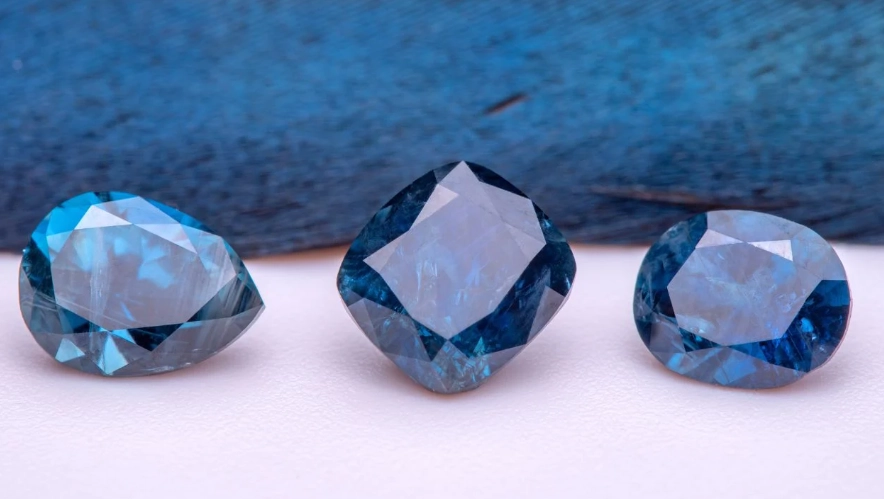
The Contenders for Rarest Sapphire Color
Before we crown the winner, let's look at the competition. This table breaks down the top contenders.
| Color | Why It's Considered Rare | The Reality Check |
|---|---|---|
| Natural, Untreated Cornflower/Kashmir Blue | Mythological status from depleted mines. The "velvety" blue hue is unmatched. | Virtually unavailable in new jewelry. Most are antique or recut old stones. Any modern stone sold as "Kashmir" needs impeccable provenance. |
| Vivid "Royal" Blue (No Heat) | Intense, deep blue with violet undertones. The classic high-demand color. | Extremely rare without heat treatment. The term "Royal Blue" is often used loosely in marketing; trust the lab report, not the name. |
| Pure, Hot Pink (No Heat) | Requires high chromium, low iron. Blurs the line with ruby. Saturated pinks are scarce. | More findable than Padparadscha, but top-tier, untreated vivid pinks are still a major rarity, especially over 2 carats. |
| Color-Change Sapphire | Shifts color under different light (e.g., blue in daylight, purple under incandescent). Magic in a stone. | Rare, especially with a strong, dramatic change. Often a secondary collectible, but highly prized by connoisseurs. |
| Padparadscha | A precise sunset blend of pink and orange. Geological perfection is needed. | The consensus champion for overall rarity. Demand far exceeds the tiny, inconsistent supply. |
Padparadscha: The Undisputed King of Rarity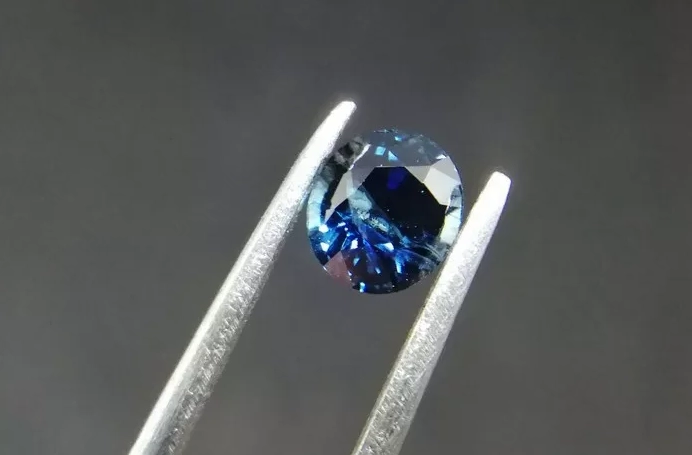
Let's talk about Padparadscha (pronounced pad-pah-raj-ah). The name comes from the Sinhalese word for "lotus blossom." That should tell you something about its esteem.
The ideal color is a delicate, simultaneous blend of pink and orange—like a tropical sunset or, yes, a lotus flower. Not pinkish-orange. Not orangish-pink. Both. At once. The GIA describes it as a "light to medium toned, pinkish orange to orange-pink hue." Getting that balance wrong means it's just a light sapphire, not a true Padparadscha.
Why Is Padparadscha So Impossible to Find?
First, the geology is a nightmare. The conditions to create that specific chromium-iron balance are incredibly finicky. Most sapphires from Padparadscha-producing regions (like Sri Lanka or Tanzania) come out blue, yellow, or pink. Finding one in the Padparadscha zone is a lottery win.
Second, the market is flooded with imposters. Heat treatment can turn certain geuda (milky) sapphires into a Padparadscha-like color. These are sold as "heated Padparadscha," which is an oxymoron to purists. A true, natural, unheated Padparadscha commands a massive premium. I've seen dealers argue for an hour over whether a stone is "salmon" or true "Pad."
Third, size is a huge issue. Finding a true Padparadscha over 2 carats with good clarity and color is a major event. Most are under a carat. I remember a client once brought in a 4-cat stone they bought online for a "steal." It was a beautiful pink-orange sapphire... that had been beryllium-diffused to enhance the color—a treatment that must be disclosed. They were heartbroken.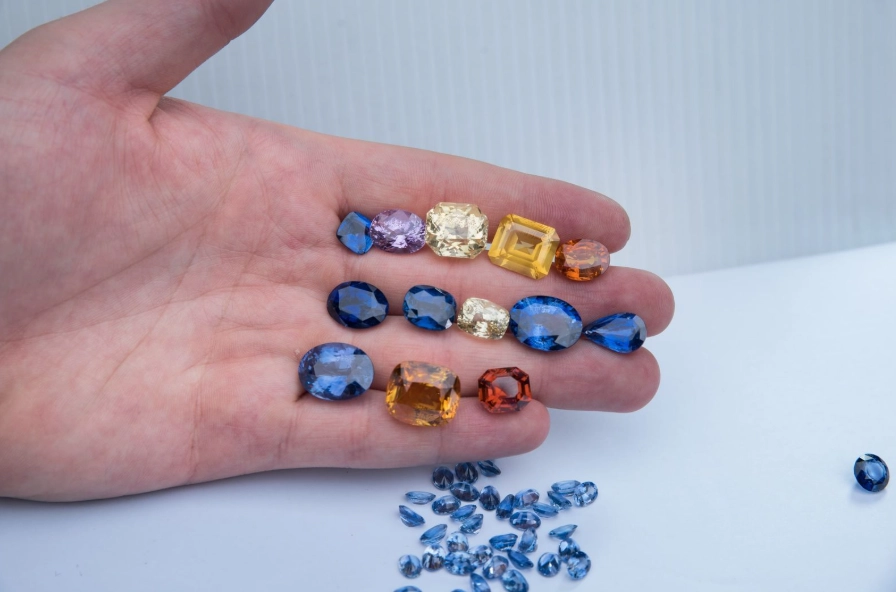
Other Exceptionally Rare Sapphire Colors
While Padparadscha sits on the throne, a few other colors deserve honorable mention for their extreme scarcity.
Color-Change Sapphires with a Clear Shift: Not all color-change sapphires are equal. Many show a weak, muddy shift. The rare ones change from a distinct blue in daylight to a vivid amethyst-like purple under incandescent light. The strength and clarity of the change are everything. These stones are a niche fascination, but for the right collector, they're priceless. Madagascar and Tanzania produce some of the best examples, but they're never common.
Parti-Colored Sapphires: These stones display two or more distinct color zones in one crystal—like blue and yellow, or green and yellow. They're a geological curiosity. While not always as monetarily valuable as a top blue or Padparadscha, their uniqueness makes them rare in the truest sense. Australia is known for these, but cutting them to showcase the color zones beautifully is an art in itself.
Totally Colorless (White) Sapphire (No Heat): This might surprise you. Pure corundum with no trace elements is colorless. But finding a piece of corundum with absolutely no hints of color or silk (inclusions) large and clean enough to facet is remarkably difficult. Most "white sapphires" used as diamond alternatives are heavily included or have a milky cast. A flawless, brilliant, colorless sapphire is a geologist's dream.
Value & A Practical Buying Guide
So, you're intrigued by the idea of owning a truly rare sapphire. How do you navigate this without getting burned?
Forget the name, demand the report. If a dealer says "Kashmir" or "Padparadscha," your immediate response should be, "Can I see the lab report?" Reputable sellers will have a report from GIA, AGL (American Gemological Laboratories), or GRS (Gemresearch Swisslab) that specifies the origin and, critically, notes any treatments. "No indication of heat treatment" is the phrase you want for maximum rarity.
Understand the price brackets. Rarity has a price. A decent commercial-quality heated blue sapphire might be $500-$1500 per carat. A fine unheated blue from a desirable origin like Ceylon (Sri Lanka) can be $3000-$8000+ per carat. A true, unheated Padparadscha? Start at $10,000 per carat for a decent small stone, and easily go to $30,000-$50,000+ per carat for a fine gem over 2 carats. At major auctions like Christie's or Sotheby's, record-breaking prices are set for these.
Prioritize color over everything. With rare colors, the hue, tone, and saturation are 90% of the value. A slightly included but magnificently colored Padparadscha is worth more than a flawless stone with a weak, washed-out color. Look for life and vibrance.
Work with a specialist. Don't buy a rare sapphire from a generic jewelry store or an unclear online listing. Find a jeweler or gemologist who specializes in colored gemstones. They have access to better inventory and the expertise to guide you. Ask them about their return policy and if they offer independent appraisal services.
Your Sapphire Rarity Questions Answered
Related Articles
Wolf Moon Meaning: Spiritual Significance & How to Harness Its Energy

All-round strength, the new second-generation Snapdragon 7+ is released.
Pyrope Garnet: The Fiery Red Gemstone Guide & Buying Tips
Sodalite Crystal: Ultimate Guide to Its Healing & Practical Uses
Sodalite Crystal: Benefits, Uses & How to Tell If It's Real