Let's be clear right from the start: if you're shopping for blue jade, you're almost certainly looking at something that's been treated. Truly natural blue jadeite is one of the rarest and most expensive gemstones on the planet. I've been collecting and studying jade for over a decade, and I've seen more convincing plastic fruit than genuine, untreated blue jade in the wild market. This guide isn't about mystical properties or vague descriptions. It's a practical, no-nonsense breakdown of what natural blue jade actually is, why it's so hard to find, and the concrete steps you can take to separate the rare treasure from the clever fakes flooding online stores and even some brick-and-mortar shops.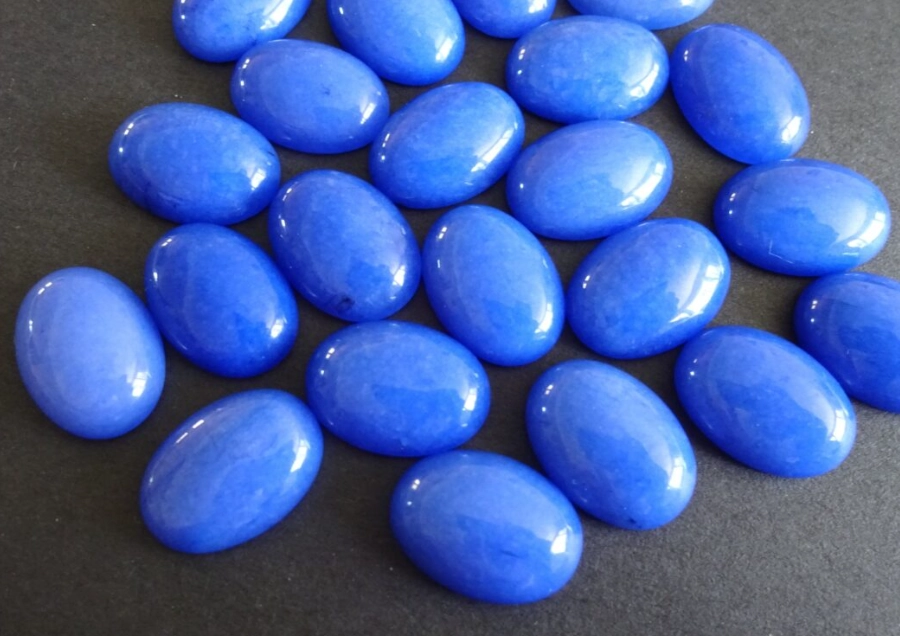
What’s Inside: Your Quick Guide to Blue Jade
What Makes a Jade Stone Naturally Blue?
First, we need to split jade into its two main types: jadeite and nephrite. When people talk about the vibrant, valuable jade, they usually mean jadeite. Nephrite is more common and typically found in shades of green, white, and brown. Natural blue color in jadeite is primarily caused by trace amounts of titanium and iron. It's not a solid, electric blue. Think of a soft, greyish-blue, lavender-blue, or a blue-green reminiscent of a cloudy sky or distant mountains. This color is often called "blue-purple jade" or "lavender jade" with a blue undertone.
The key word here is undertone. The color is usually uneven and interwoven with other hues. A uniform, vivid royal blue in a large, translucent jadeite piece? That's a major red flag. According to gemological research, like the studies referenced by the Gemological Institute of America (GIA), the presence of specific valence states of titanium is crucial for that blue hue, a condition that occurs extremely rarely in nature.
The Reality: Dyed and Treated "Blue Jade"
Walk into any crystal shop or browse Etsy for "blue jade," and 95% of what you'll see is nephrite or low-quality jadeite that has been dyed, bleached, and polymer-impregnated (the "B+C" treatment). This isn't necessarily evil—it's a common market practice to enhance color and stability—but it must be sold as treated jade, not natural.
The problem? It often isn't disclosed. The dye (usually a cobalt-based or organic dye) is forced into cracks in the stone. Over time, this dye can fade, rub off, or react with sweat. I bought a cheap "blue jade" bracelet years ago as a test. After six months of occasional wear, the beads resting against my skin turned a pale, splotchy grey. The dye had literally washed out.
| Type of "Blue Jade" | Typical Look | How It's Made | Market Price Range (approx.) | Longevity Issue |
|---|---|---|---|---|
| Natural Blue Jadeite | Muted, uneven grey-blue, lavender-blue. Often translucent with visible texture. | Formed naturally with titanium/iron. | Thousands to hundreds of thousands of USD for fine pieces. | Extremely durable; color is permanent. |
| Dyed Nephrite "Blue Jade" | Often an opaque, uniform, bright or dark blue. Can look artificial. | Low-quality white/grey nephrite soaked in dye. | $10 - $100 for a bracelet. | Dye can fade or bleed; value does not appreciate. |
| Treated (B+C) Jadeite | Vibrant, often uniform blue. Can look waxy or have a spiderweb pattern of dye in cracks. | Bleached, then dyed and filled with polymer resin. | $50 - $500, masquerading as natural. | Polymer can degrade with heat/chemicals; dye may fade. |
How to Spot Real Natural Blue Jade: A Step-by-Step Guide
Forget vague advice. Here's what you actually do, in order, when examining a piece.
1. Interrogate the Color Like a Detective
Don't just look—analyze. Is the color perfectly even from every angle? If yes, lean towards dye. Natural color has variations, like watercolor washes on stone. Hold it under different lights. A dyed stone might look unnaturally bright under LED light but flat in sunlight. Natural color is more subdued and consistent across light sources.
2. The Loupe is Your Best Friend (The 10x Magnification Check)
You need a jeweler's loupe. For under $20, it's the best investment you'll make. Look closely at the surface and any cracks.
What you're hunting for: Concentrations of color along micro-fractures or grain boundaries. Dye settles in cracks, creating tiny, intense rivers of color. It looks like a spiderweb or tree roots of dark blue. In natural stone, the color is integral to the crystal structure; it's within the grains, not pooled in the cracks between them.
3. The Feel and Temperature Test
Jadeite is denser and feels colder to the touch than glass or plastic imitations. It also has a distinctive, smooth-but-substantial feel that's hard to describe but easy to recognize with practice. Dyed and polymer-impregnated stone can sometimes feel slightly waxy or plastic-like. Rub the stone. If your fingers feel slightly tacky or you see color residue (rare, but it happens with poor dye jobs), run.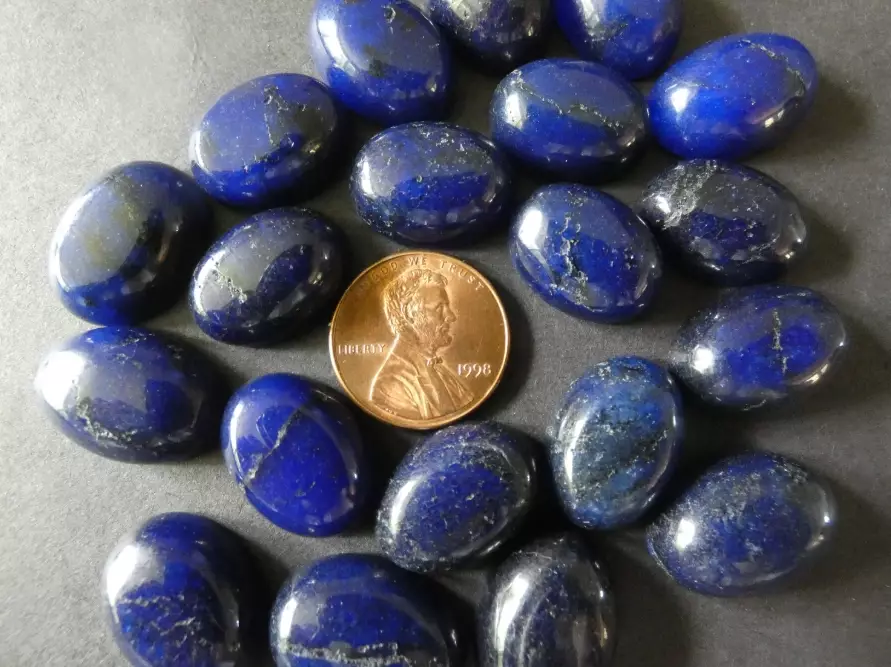
4. The Certificate: Not All Are Created Equal
"Comes with a certificate" means nothing if it's from "Mystical Crystals Lab." You need a report from a major, respected gemological lab that specifically mentions treatment.
Buying Blue Jade: A Real-World Scenario and Checklist
Let's walk through a hypothetical but very common situation. You see an online listing: "Stunning Natural Blue Jadeite Pendant, 18K Gold Setting, $2,500." The photos look amazing.
Here is your action checklist before even thinking of clicking "Add to Cart":
1. Ask for the Certificate First. Don't ask for more photos—ask for the scan of the gem lab report. If the seller hesitates or says "it's being certified," stop. A genuine seller of a $2,500 stone will have this ready.
2. Decode the Certificate. Look for the Origin (often Myanmar). Look for the Comment Section. It should say "No trace of dye detected" or "Color is of natural origin." If it says "Color enhanced" or "Polymer present," it's treated.
3. Request Specific Videos. Ask for a 20-second video shot under natural daylight (not studio lights) on a plain white background, with the stone being slowly rotated. Watch for evenness of color and lustre.
4. Check the Seller's History & Policy. Do they specialize in high-end jade? Do they have a clear, no-questions-asked return policy if an independent lab later finds treatment they didn't disclose? If they only sell "healing crystals" with generic descriptions, be wary.
Following these steps filters out 99% of the misrepresented stones.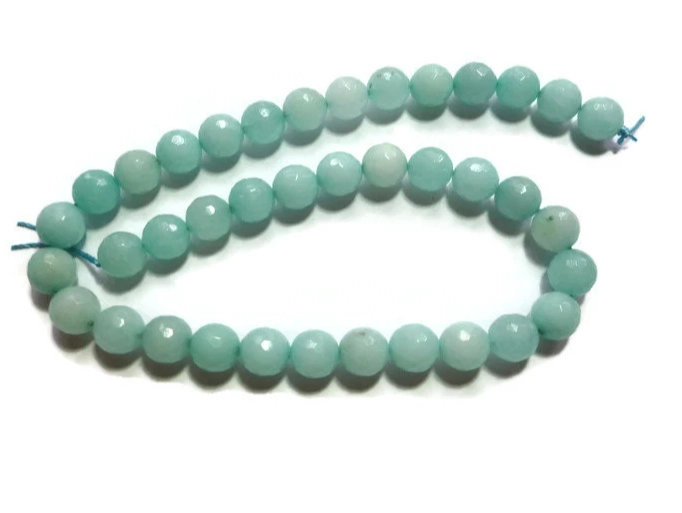
Caring for Your Jade and Understanding Its Value
If you are lucky enough to own a piece of natural blue jadeite, care is simple but important. Clean it with mild soap, lukewarm water, and a soft cloth. Avoid ultrasonic cleaners and steamers, especially if there are any fractures. Store it separately to prevent scratches.
Its value is a different matter. Natural blue jadeite is a collector's item and an alternative asset. Its price is driven by the same factors as other fine jade: Color (evenness and appeal of the hue), Translucency (how much light passes through), Texture (fineness of the grain), and Craftsmanship. A well-carved piece from a master adds significant value. Unlike a dyed bracelet, a fine natural piece will hold or increase its value over time, as documented in auction results from houses like Sotheby's or Christie's.
Your Blue Jade Questions Answered (The Real Ones)
I found "blue jade" from Guatemala. Is that a different, natural type?
You're onto something. Guatemalan jadeite, often called "Olive Jade," can have natural blue-green hues mixed with its characteristic green and black. It's more common to find a bluish tint in Guatemalan material than in Burmese. However, it's still not a pure, vivid blue. It's typically a green stone with a strong blue component. It's a legitimate source of naturally bluish jadeite, but the same rules apply: be wary of over-saturated, uniform color.
Is a lighter blue or a darker blue jade more valuable?
This is where most online guides get it wrong. They parrot "darker is better," which leads people to buy dyed stones. For natural blue jadeite, value isn't about darkness; it's about clarity, translucency, and evenness of the hue. A translucent piece with a soft, even lavender-blue sheen is far more valuable than a dark, opaque, blotchy blue piece. Think quality of light, not depth of color.
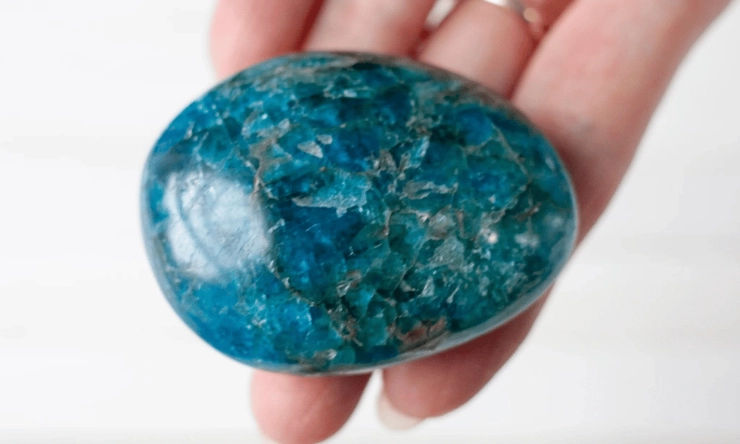 Can I test blue jade at home with acetone?
The acetone test (rubbing with a cotton swab dipped in acetone to see if dye comes off) is often suggested, but I advise caution. It only works on poorly dyed stones where the dye is on the surface. Most modern treatments seal the dye in, and acetone won't touch it. Worse, acetone can damage the polymer fill in B+C jade or even damage certain surface finishes. You might ruin a piece and still not get an answer. Rely on observation with a loupe and a proper lab report instead of chemical tests.
What's a realistic price for a small, genuine natural blue jadeite cabochon?
If you're looking at a certified, untreated blue or lavender-blue jadeite cabochon (say, 10x12mm) of decent translucency and color, you should expect to start in the mid-hundreds to thousands of dollars, just for the loose stone. A finished piece of jewelry in gold will be significantly more. Anything labeled "natural" and selling for $50 or $100 is, without exception, misrepresented. Understanding this baseline price point is the simplest way to avoid 90% of scams.
The world of blue jade is fascinating but full of pitfalls. Arm yourself with knowledge, skepticism, and the right tools. Appreciate the stunning beauty of dyed nephrite for what it is—an affordable, decorative stone—but don't pay a natural stone's price for it. And if you ever do hold a piece of true, natural blue jadeite, you'll understand the difference immediately. It's not just a color; it's a piece of geological serendipity.
Related Articles
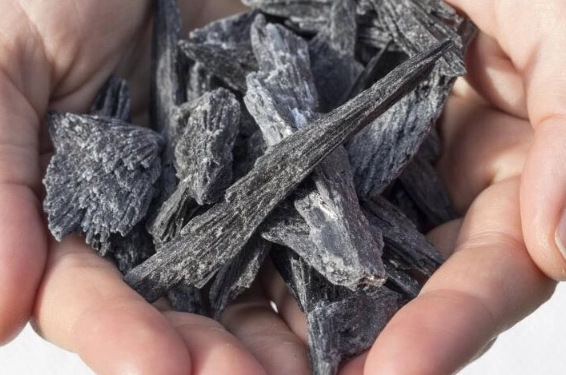
Black Kyanite Crystal Meaning: Ultimate Guide to Protection & Energy
Lapis Lazuli Spiritual Benefits: A Complete Guide to Healing & Power
What Is the Rarest Color of Sapphire? The Ultimate Guide
Ruby Stone Month: The Complete Guide to July's Birthstone
White Sapphire Benefits: More Than Just a Diamond Alternative