Let's cut to the chase. Is green jasper rare? The short, honest answer is: it depends, but the truly high-quality material is becoming harder to find. The blanket statement "green jasper is rare" is a bit of marketing hype you'll see everywhere. The reality is more nuanced. Some types, like vibrant rainforest jasper from Australia, are incredibly scarce. Other massive deposits of duller green stone exist, but nobody really wants those for jewelry or collecting. Your search for "how rare is green jasper" probably means you've seen a beautiful piece and wondered about its availability and price tag. You're in the right place. We're going beyond the simple yes/no to explore why certain types are scarce, where they're found, and how that scarcity translates into what you pay.
What You'll Discover in This Guide
What Makes Green Jasper So Sought-After?
It's not just about the color. Green jasper's appeal is a perfect storm of geology, aesthetics, and culture. First, its formation. Jasper is an opaque, microcrystalline quartz. The green color primarily comes from tiny particles of minerals like chlorite, actinolite, or sometimes copper. Unlike a gemstone that forms in perfect crystals, jasper is a "rock," often forming in veins or nodules through sedimentary or volcanic processes. This chaotic birth gives it those unique, painterly patterns—mossy inclusions, orbicular patterns, scenic landscapes—that make every piece one-of-a-kind.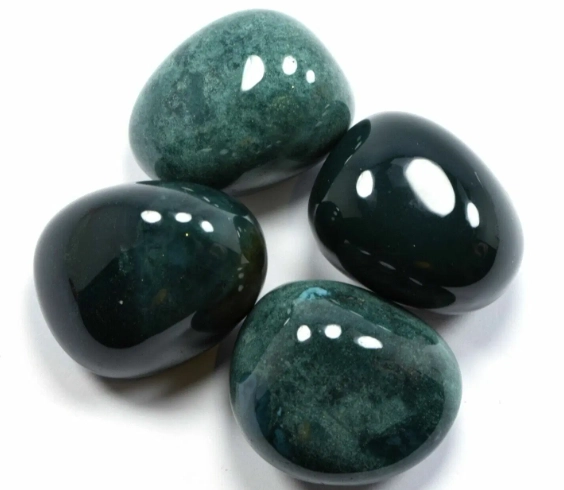
Then there's the cultural weight. For centuries, green stones have been tied to nature, growth, and stability. Green jasper, often called the "supreme nurturer," fits right in. Whether you believe in metaphysical properties or just appreciate the symbolism, this connection fuels demand. But here's a nuance most guides miss: the hardness and durability. With a Mohs hardness of 6.5-7, it's tough enough for daily-wear jewelry. A lapidary artist friend once told me, "I can work green jasper without it fracturing unpredictably like some opals. It's a reliable, beautiful material." That reliability makes it a favorite for artisans, which in turn constrains supply as raw material gets carved up.
Where in the World is Green Jasper Found?
Location is everything when discussing rarity. Green jasper isn't found in every backyard. It occurs in specific geological settings around the globe, and the quality varies wildly from place to place.
I remember buying a "green jasper" tumble from a generic online store years ago. It was a pale, muddy green. Later, I held a piece of Oregon Biggs jasper—a deep, forest green with contrasting patterns. The difference was night and day. The former was "common" jasper; the latter was a locale-specific treasure.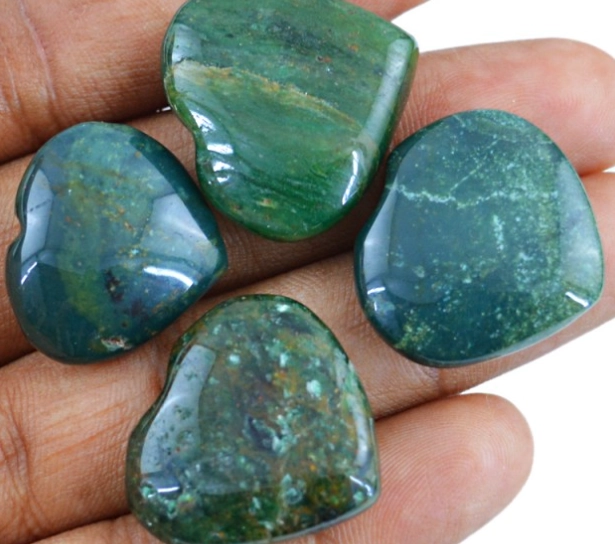
Here’s a breakdown of key sources, which directly impacts availability:
| Primary Location | Notable Type / Mine | Relative Scarcity & Notes | Typical Color & Pattern |
|---|---|---|---|
| United States (Western States) | Oregon (Biggs Jasper), Washington, Idaho, Arizona | Moderate to High. Oregon Biggs is legendary but largely depleted from known public collecting sites. New finds are sporadic. | Deep forest greens, mossy patterns, often with cream or red accents. |
| Australia | Rainforest Jasper (Queensland), Mookaite Jasper (contains green hues) | Very High. True rainforest jasper from its original source is now quite scarce. Much material on the market is similar jasper from other regions. | Vibrant mossy greens, yellows, and reds in swirling patterns. |
| India | Various commercial deposits | Low to Moderate. A major source of commercially available green jasper. More abundant, but quality varies. Often sold as tumbled stones or mass-produced beads. | Often a uniform apple or olive green. Can be vibrant but sometimes dyed. |
| Russia (Ural Mountains) | Russian Green Jasper | High. Known for its fine, uniform texture and rich color. Political and export factors can make it irregularly available in Western markets. | Uniform deep green, sometimes with dark dendritic inclusions. |
| Madagascar | Ocean Jasper (contains green zones) | Extremely High. The single vein of Ocean Jasper, mined only at low tide, is famously scarce. Green portions within it are a small subset. | Orbicular patterns with green, white, and pink "eyes." |
| Brazil, Germany, Venezuela | Various local deposits | Variable. Smaller, localized deposits exist. They can be prolific for a time and then fade, adding to market unpredictability. | Wide range depending on specific locale. |
This geographic spread shows the core of the rarity issue. While India produces a lot of material, collectors and jewelers often seek the distinctive patterns from Oregon or Australia. When a specific mine plays out—as many have—that particular variety of green jasper becomes a finite resource. No new Oregon Biggs is being formed. What's in collections and shops is essentially all there is.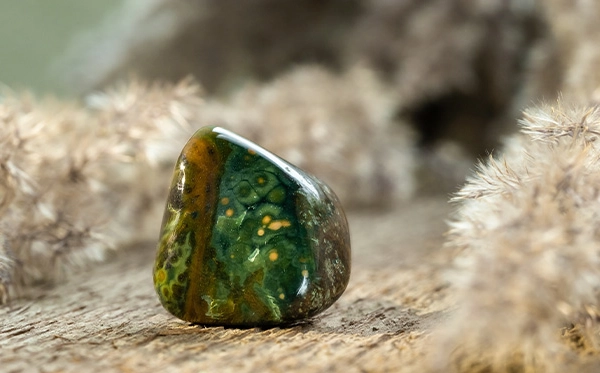
A Quick Reality Check: If you see a vendor with endless, identical, cheap green jasper palm stones, it's almost certainly the more abundant material from large-scale commercial operations (often India). The rare, locale-specific stuff is sold in smaller batches, often by weight, and no two pieces are exactly alike.
How Scarcity Drives Green Jasper's Value
So, you find a piece labeled "green jasper." Why does one cost $10 and another $100? Scarcity is the engine, but several pistons drive the price.
Color Saturation and Pattern
A dull, pale green is common. A vivid, emerald-toned green with sharp, contrasting mossy or scenic patterns is not. The latter requires a specific, fortunate mix of minerals during formation. I've seen slabs where the price per pound doubles if a dramatic landscape pattern emerges after cutting. It's like finding a hidden painting in the rock.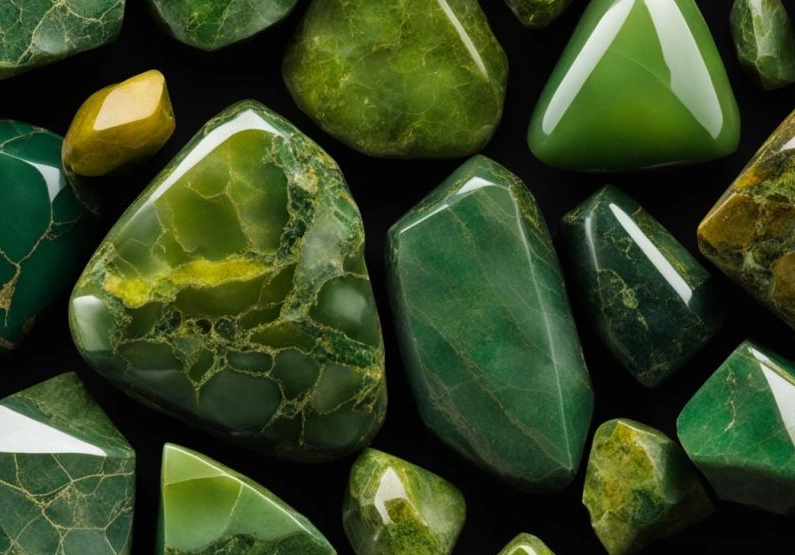
Size and Usability
Finding large, fracture-free nodules of good color is a major challenge. A small, 50-gram piece might be easy to source for a pendant. A 2-kilogram block solid enough to carve a bowl or bookend is exponentially rarer. Lapidaries pay a premium for this workable mass.
Source and Provenance
"Oregon Biggs Jasper" commands a higher price than "green jasper." A known, respected source acts as a quality and authenticity guarantee. It's the difference between "generic sparkling wine" and "Champagne."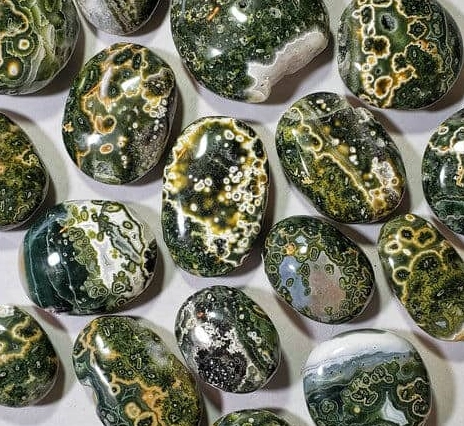
Treatment and Enhancement
Here's a pitfall: much of the bright apple-green jasper on the market is dyed or heat-treated. The natural, untreated stone in a vibrant hue is significantly rarer. Always ask if the stone is natural. A reputable seller will tell you. If the color looks unnaturally uniform and bright, be skeptical.
Think of value on a spectrum. On one end: abundant, uniform, possibly treated Indian jasper beads. On the other: a rare, untreated, patterned specimen from a nearly depleted American locale. The price difference reflects that journey across the spectrum.
A Realistic Guide to Finding & Buying Green Jasper
You're convinced of its appeal and understand the scarcity. How do you actually get your hands on a good piece without getting ripped off? Let's get practical.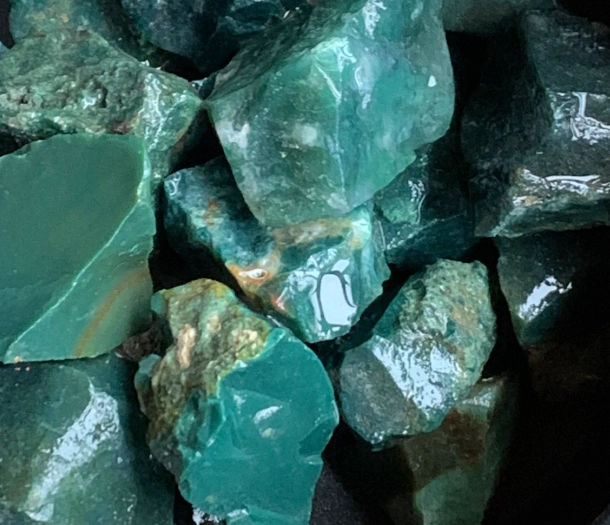
For Collectors & Hobbyists:
- Rockhounding Trips: Research specific public digging sites in states like Oregon or Washington. Websites like Mindat.org (a mineralogy database) and regional rockhound clubs are goldmines of info. Expect competition; the easy-to-access spots are picked over.
- Gem & Mineral Shows: This is your best bet for seeing rarity firsthand. Dealers specializing in locale-specific materials will have the good stuff. You can examine patterns, ask about the source, and compare prices side-by-side. The Tucson Gem Show is the ultimate, but larger regional shows work too.
For Buyers Seeking Jewelry or Decor:
- Etsy & Artisan Platforms: Search for "Oregon green jasper" or "natural rainforest jasper." Look for sellers who provide locality information. Read reviews. Price is a clue—a hand-wrapped pendant in a rare jasper for $25 is a red flag.
- Specialist Lapidary Artists: Many artists on Instagram or personal websites source their own rough material. Commissioning a piece from them ensures you get a unique item with a known origin story. It'll cost more, but you're paying for artistry and verified rarity.
- What to Ask the Seller:
- Can you tell me where this green jasper is from?
- Is the color natural, or has it been dyed/treated?
- Do you have a certificate of authenticity for locale-specific material? (For high-end purchases).
A personal rule I follow: if a deal seems too good to be true for a "rare" stone, it probably is. You're likely buying the more common commercial grade, which is fine if that's what you want and the price reflects it. But don't pay a rarity premium for it.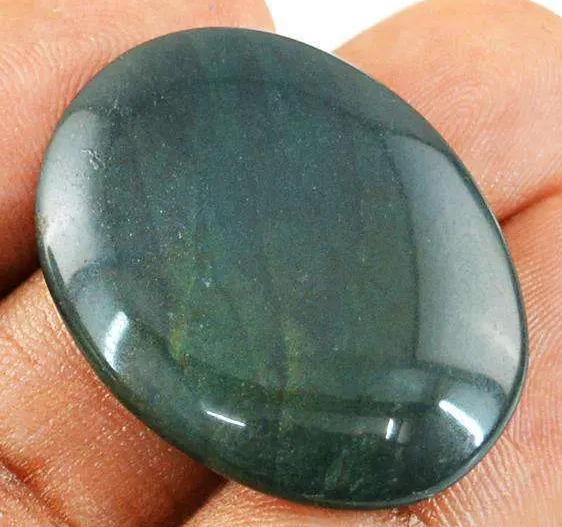
Your Green Jasper Questions Answered
So, how rare is green jasper? It's not unicorn tears, but its true, desirable forms are constrained by geology, geography, and demand. The vibrant, patterned, locale-specific stones that collectors and jewelers crave exist in limited, depleting quantities. That's the real scarcity. Your awareness of this—knowing what to look for, what questions to ask, and what a fair price reflects—is the key to navigating the market. You're not just buying a green rock; you're acquiring a small piece of a specific landscape with a finite story. That understanding makes the hunt, and the find, all the more rewarding.
Related Articles

Taiwan's semiconductors, some come and some go
Unlock the Heart-Opening Power of Kunzite Crystal Benefits
Unlock the Power of Kyanite: 7 Key Benefits and How to Use Them
Onyx Properties Explained: Beyond Beauty to Practical Power
Amethyst Properties: A Complete Guide to Healing, Uses & Myths
