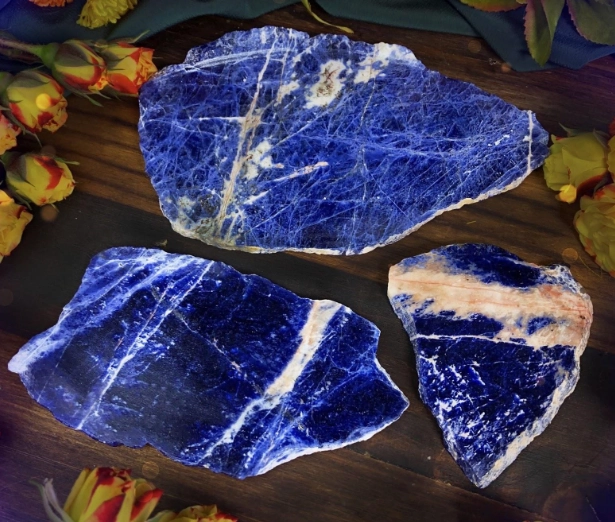
Let's cut straight to the point. Is blue jade a real stone? The short answer is yes, but it's incredibly rare and often misrepresented. When most people ask this, they're usually holding a blue stone sold as "jade" and wondering if they've been duped. Nine times out of ten, they have. Genuine blue jade refers almost exclusively to a rare variety of jadeite colored by trace elements like iron and titanium. The vibrant, electric blues you see in cheap jewelry? That's almost certainly dyed quartz, serpentine, or glass. The real stuff is subtle, expensive, and has a story tied to specific mines. I've handled hundreds of "blue jade" pieces over the years, and the confusion is massive. This guide will walk you through exactly what real blue jade is, how to spot the fakes crowding the market, and what you need to know before spending a dime.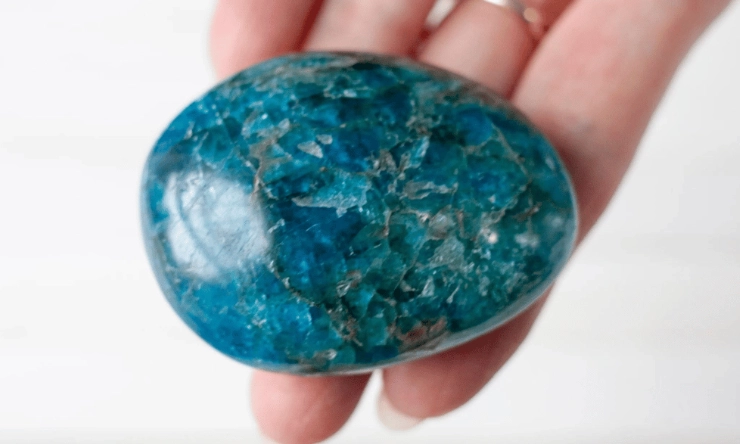
What's Inside?
What Exactly Is "Blue Jade"?
First, we need to clear up the "jade" part. Jade isn't a single mineral. It's a term used for two distinct minerals: jadeite and nephrite. They look similar to the untrained eye but have different chemical structures, hardness, and origins.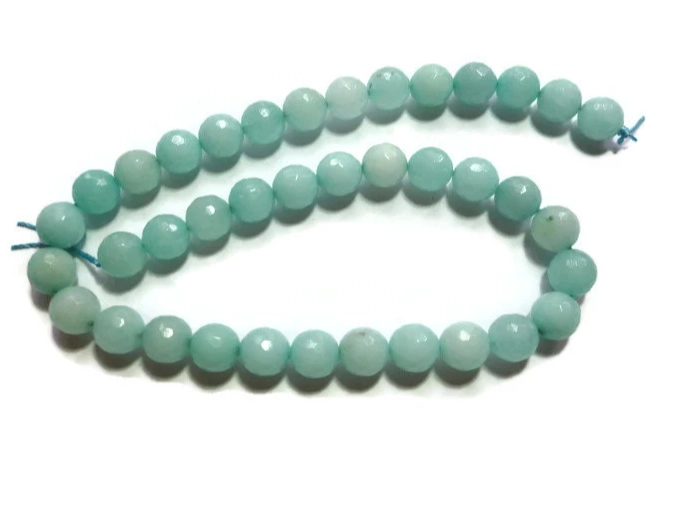
Jadeite vs. Nephrite: The Core Difference
Nephrite is more common, found worldwide, and ranges from creamy white to dark green. It's tough but slightly softer. Jadeite is rarer, harder, and comes in a wider color palette—including the elusive blue. When we talk about high-value, collector-grade blue jade, we are always talking about jadeite.
Blue jadeite gets its color from natural geological processes. It's not a uniform sky blue. Think shades of pale blue-gray (like a cloudy sky), soft lavender-blue, or a deep, steely blue-green. The color is often uneven and muted, not neon. Major sources have included Guatemala's famous mines and some finds in Myanmar, but production is sporadic and minimal.
Here’s where the market gets messy. Because the term "jade" is poorly regulated in many countries, sellers slap the label on any vaguely greenish or bluish stone. This creates a jungle of look-alikes.
The Real vs. Fake Blue Jade Showdown
This is the part that saves you money. Let's break down what you're actually looking at.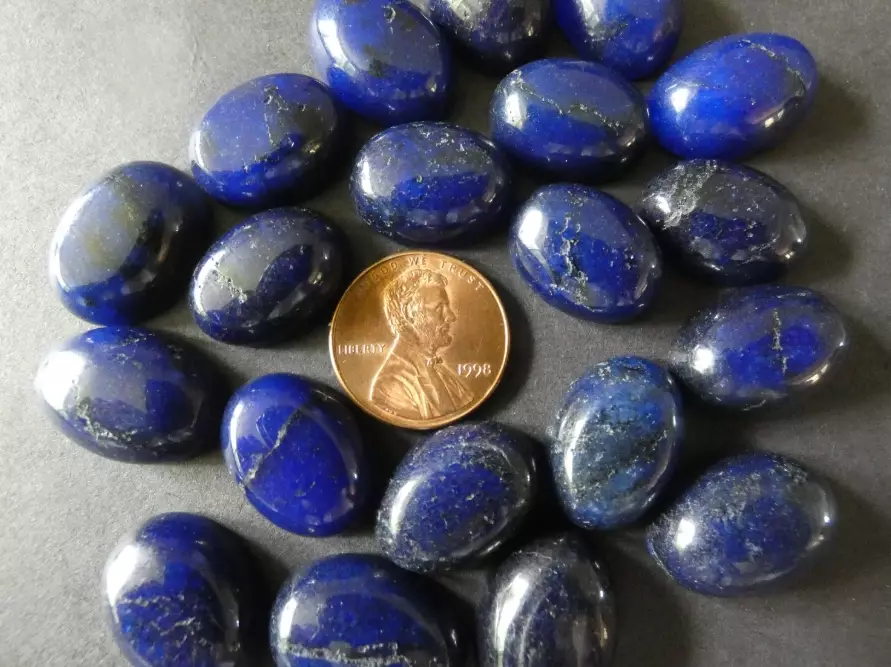
The Usual Suspects: Common Blue Jade Imposters
If you see a bright, uniform blue stone labeled as jade for under $100, it's almost certainly one of these:
- Dyed Magnesite or Howlite: Chalky white stones soaked in blue dye. The dye often collects in cracks, giving a spider-web pattern. Rub it with acetone on a cotton swab, and the dye may come off.
- Blue Quartz ("Blue Aventurine"): Often has a sparkly, granular look from included minerals. Much glassier in luster than true jade's oily or waxy sheen.
- Serpentine: Softer and less dense. A steel needle can scratch it, while it would glide off real jadeite.
- Glass or Plastic: Feels light, warm to the touch quickly, and may have bubbles or molded seams. The dead giveaway is the lack of any internal structure.
How to Spot the Real Deal: A Quick Checklist
You don't need a lab for a first-pass assessment. Use these sense-based tests.
| Test | What to Do | Real Blue Jadeite Indicator | Fake Indicator |
|---|---|---|---|
| The Heft Test | Hold it in your palm. | Feels surprisingly heavy and dense for its size (high specific gravity). | Feels light or "plasticky." |
| The Temperature Test | Touch it to your cheek. | Feels cool and stays cool longer (good heat conductivity). | Feels room temperature or warms up fast. |
| The Visual Test | Look closely under good light. | Color is subtle, uneven, often grayish or lavender-blue. Texture is fibrous or granular, not perfectly clear. | Color is too perfect, too bright, or has dye concentrations in cracks. Looks like colored glass. |
| The Sound Test (for beads) | Gently tap two beads together. | Produces a clear, resonant, high-pitched "clink." | Makes a dull, low-pitched "clack." |
What Determines Blue Jade's Value?
Genuine blue jadeite's price isn't arbitrary. It's driven by factors that gem labs like the Gemological Institute of America (GIA) grade. I've seen cabochons go from a few hundred to tens of thousands of dollars. Here’s what moves the needle: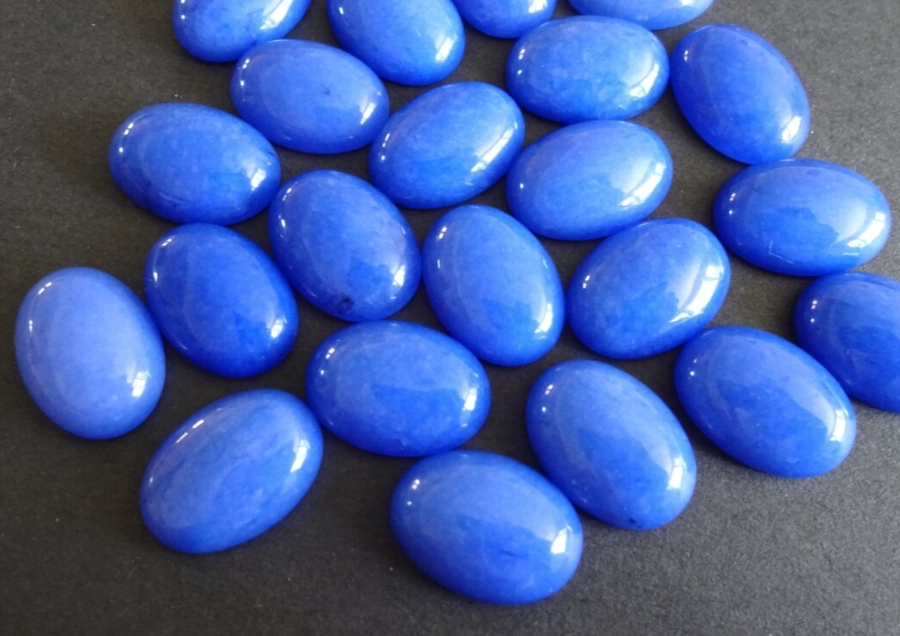
- Color: The most important factor. Vivid, intense blues are the pinnacle, but they're museum-level rare. Most valuable commercial pieces have a strong, even lavender-blue or steely blue hue. Muddy, grayish tones are less valuable.
- Transparency: Can you see light pass through it? The more translucent (semi-transparent) the stone, the higher the value. Most blue jadeite is semi-translucent to opaque.
- Texture & Consistency: A fine, even grain is prized. A coarse, patchy texture with visible mineral inclusions lowers value, though some collectors like unique patterns.
- Cut & Polish: A skilled cut maximizes color and shape. A high polish that brings out jade's characteristic oily luster is essential. A poor polish that leaves a glassy or dull finish is a red flag.
- Origin: Burmese (Myanmar) jadeite traditionally commands a premium, but Guatemalan blue jadeite has a strong collector following. A reputable lab report can sometimes determine origin, adding to provenance and value.
For a small, genuine blue jadeite cabochon of decent quality, expect to start in the $300-$800 range. Exceptional pieces easily enter the thousands. If a seller offers a "blue jade" bracelet for $50, you know what you're getting.
A Practical Guide to Buying Blue Jade
Let's get tactical. You're online or at a gem show. How do you navigate?
1. Vet the Seller's Language. Honest sellers use precise terms. "Natural blue jadeite" is good. "Treated blue jade" means it's been dyed or stabilized. "Blue jade simulant" or "look-alike" is honest. Vague terms like "gemstone" or "healing crystal" without the mineral name are huge red flags.
2. Demand Visual Proof. Ask for multiple high-resolution photos on a white background, in natural light. A video showing the stone being turned is even better—you can assess luster and consistency.
3. Ask the Right Questions.
- "Is this natural, dyed, or treated?"
- "Can you provide the exact mineral name (jadeite, nephrite, quartz)?"
- "What is the country of origin?"
- "What is the return policy if independently verified?"
A seller who hesitates or gets defensive is one to avoid.
4. For High-Value Purchases, Get a Lab Report. For anything over $500, factor in the cost of an identification report from GIA or another major lab. It's your only ironclad proof. I bought a stunning "blue jade" pendant once, convinced it was real. The report came back as dyed serpentine. That lesson was cheaper than many others.
How to Care for Your Blue Jade
Real jade is tough, but not indestructible. Here’s how to keep it looking its best.
Cleaning: Use warm water, mild soap, and a soft brush. Dry thoroughly with a soft cloth. Avoid ultrasonic cleaners (they can shake loose insecure settings) and steam cleaners (sudden heat can damage treated stones or cause fractures).
Storage: Wrap it in a soft cloth or place it in a fabric-lined box. Don't let it rattle against harder gems like diamonds or sapphires, which can scratch it.
Wear: It's fine for daily wear, but take it off before heavy lifting, sports, or using harsh chemicals (bleach, ammonia, acids). The main risk isn't shattering, but a hard knock chipping an edge.
Your Blue Jade Questions Answered
I see "blue mountain jade" or "Amazon jade" for sale. Is that real blue jade?
Almost never. These are marketing names for completely different minerals, typically amazonite (a green-blue feldspar) or various types of serpentine. They're beautiful stones in their own right, but calling them "jade" is a sales tactic that capitalizes on jade's prestige. Always check the scientific name in the description.
Can real blue jade be used in jewelry like rings?
Absolutely, and it makes for stunning, unique jewelry. Due to its toughness, jadeite is excellent for rings and bracelets that see wear. The key is the setting. A bezel or semi-bezel setting protects the edges better than a simple prong setting. For a blue jade ring meant for daily wear, I'd always recommend a protective setting.
 Is there a spiritual meaning or healing property specific to blue jade?
In crystal healing traditions, blue jade is often associated with calm, peace, and communication. It's said to soothe the mind and aid in expressing truth. However, from a geological and buying perspective, it's crucial to separate these metaphysical beliefs from identification. A stone sold for its "calming blue energy" is frequently dyed howlite. The metaphysical market is where some of the most egregious mislabeling happens.
What's the single biggest mistake people make when buying blue jade?
Falling for the color. They get hypnotized by a beautiful, bright blue and turn off their critical judgment. They ignore the price that's too good to be true, the seller's vague descriptions, and the stone's lightweight feel. The biggest mistake is prioritizing the desired color over the material's physical properties. Always judge the stone first, the color second.
So, is blue jade a real stone? Yes, genuine blue jadeite is a rare and valuable reality. But the blue "jade" flooding the market is largely a fantasy made of dyed stone and glass. Your best defense is knowledge: understand what real jade is, know its common impersonators, and approach every purchase with a healthy skepticism and the simple tests we've covered. Happy—and wise—collecting.
Related Articles
Moonstone White: Healing Properties, Uses, and Expert Buying Tips

ABF, facing a big enemy?
Blue Fluorite: The Complete Guide to Meaning, Uses, and How to Pick a Good One
Who Should Not Wear Lapis? A Complete Guide to Lapis Lazuli Safety
Unlock Your Potential: The Ultimate Moonstone Guide for Men