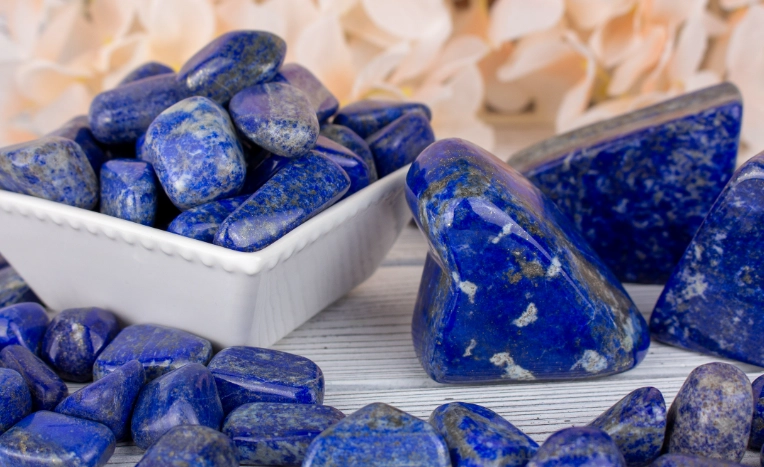
Let's talk about blue crystals. You've probably seen them everywhere – from trendy jewelry stores to your friend's meditation space. But what's the real deal behind these captivating stones? Are they just pretty rocks, or is there more to the story? I've been collecting and studying crystals for over a decade, and I can tell you, the world of natural blue crystals is deep, fascinating, and honestly, a bit misunderstood. This guide cuts through the hype. We'll look at the actual geology, the cultural meanings people attach to them, and most importantly, how you can intelligently choose and use them in your own life. Forget vague spiritual claims; we're focusing on tangible properties and practical applications.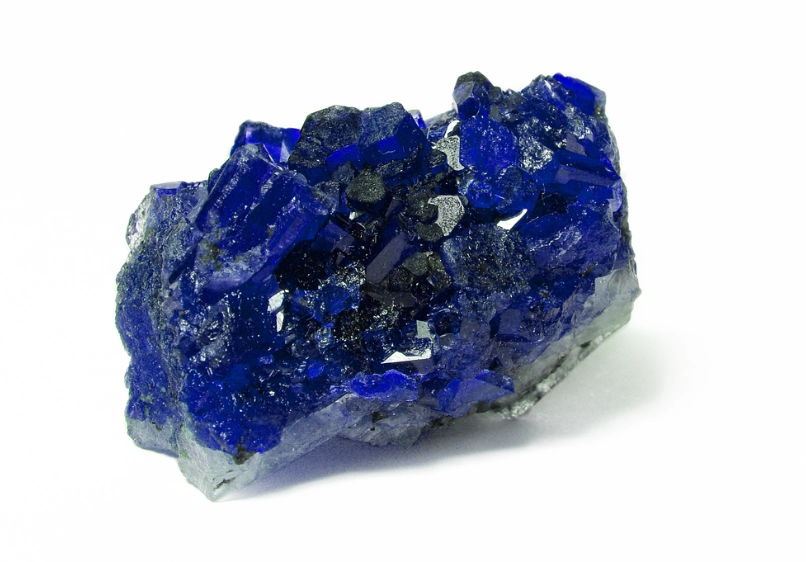
What's Inside This Guide
Top 5 Natural Blue Crystals & Their Real-World Profiles
Not all blue crystals are created equal. Their color, hardness, origin, and even price vary wildly. Here’s a detailed breakdown of the five you're most likely to encounter and consider buying.
| Crystal Name | Key Characteristics & Color | Typical Price Range (Raw Piece) | Best For / Common Association | Important Note |
|---|---|---|---|---|
| Lapis Lazuli | Deep royal blue with gold pyrite flecks. Opaque. | $15 - $100+ | Communication, wisdom. Often used in jewelry and carvings. | Authentic Lapis should have visible pyrite (gold specks). Too uniform often means dyed. |
| Aquamarine | Pale blue to blue-green. Transparent to translucent. | $20 - $200+ | Calm, clarity, courage. A premier gemstone for rings and pendants. | Larger, deeper-colored stones command premium prices. Often heat-treated to enhance blue. |
| Blue Lace Agate | Light blue with delicate white banding. Translucent. | $5 - $50 | Soothing anxiety, gentle expression. Popular for worry stones. | One of the most affordable and accessible blue stones. Great for beginners. |
| Sodalite | Rich blue with white calcite veins. Opaque. | $8 - $60 | Logic, rational thought, inner peace. Sometimes called "poor man's lapis." | Often confused with Lapis but lacks the gold pyrite. More consistently blue and white. |
| Angelite | Soft, pale celestial blue. Opaque and chalky feel. | $10 - $40 | Connection, gentle communication, peace. | Very soft and water-soluble. Avoid wearing in shower or using in elixirs. |
Looking at that table, you see the diversity. Price isn't just about size; it's about rarity, color saturation, and craftsmanship. A common mistake I see is beginners paying Lapis prices for a nice piece of Sodalite because they didn't look for the pyrite. Take a moment with a new piece. Does it feel waxy (might be resin)? Is the color unnaturally vibrant? A little scrutiny saves money and disappointment.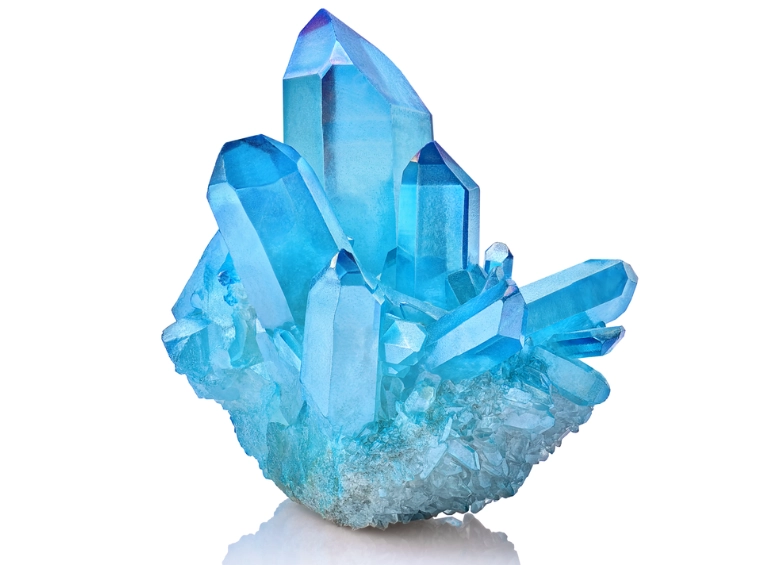
Beyond the Big Five: Other Notable Blues
The blue crystal family is huge. Here are a few others you might bump into:
Kyanite: Often forms in long, bladed crystals. Its color can range from pale to deep blue. It's unique because it's believed by many not to retain negative energy, so it rarely needs "cleansing." A geologist would tell you its formation in high-pressure environments is what's fascinating.
Azurite: A stunning deep azure blue, often found with green Malachite. It's a copper carbonate mineral, which explains the vibrant color. It's quite soft and can fade to darker colors with prolonged light exposure – a key point if you're displaying it.
Celestite: Forms beautiful pale blue geodes and clusters. It's fragile and sensitive to sunlight, which will bleach its color. Best as a display piece on a shelf, not a pocket stone.
My Personal Take: I love Lapis, but for daily wear, Blue Lace Agate is my unsung hero. It's durable enough for a bracelet, its energy is subtle and non-overwhelming, and you won't panic if you bang it on a doorframe. Sometimes the "beginner" stone is the most practical for long-term use.
How to Choose Your Blue Crystal: A Practical Framework
Walking into a crystal shop or browsing online can be overwhelming. Do you pick the prettiest one? The biggest? The one that "calls" to you? Here's a methodical way to approach it.
First, identify your intent. Are you looking for a piece of jewelry? A meditation aid? A decorative object for your desk? This narrows the field immediately. Angelite is terrible for a ring (too soft) but beautiful on an altar. Aquamarine excels in jewelry.
Second, set a budget and stick to it. Crystal prices can escalate quickly. A small, genuine piece of a quality stone is always better than a large, dubious one. For $30, you can get a wonderful palm-sized Blue Lace Agate or a smaller, exquisite Aquamarine point.
Third, learn the basic authenticity checks.
- Temperature: Most genuine crystals feel cool to the touch and take time to warm up in your hand. Plastic or glass may feel room temperature or warm faster.
- Imperfections: Natural stones have inclusions, cracks, color zoning, or variations. A perfectly uniform, vivid blue sphere is a major red flag.
- Weight: Crystals have a certain heft for their size. Resin or plastic feels lighter.
- Seller Reputation: Buy from reputable sellers who provide information on origin (e.g., "Lapis from Afghanistan," "Aquamarine from Brazil"). Generic labels like "Healing Crystal" are less trustworthy. Resources like Mindat.org are invaluable for checking mineralogical data.
I once bought a "rare blue quartz" online that turned out to be beautifully dyed glass. It was a lesson in trusting detailed descriptions and clear, close-up photos over glamorous stock images.
Using Blue Crystals Effectively: Beyond the Shelf
So you've got your blue crystal. Now what? Leaving it on a shelf is fine, but if you want to engage with it, here are concrete, non-fluffy ways to do so.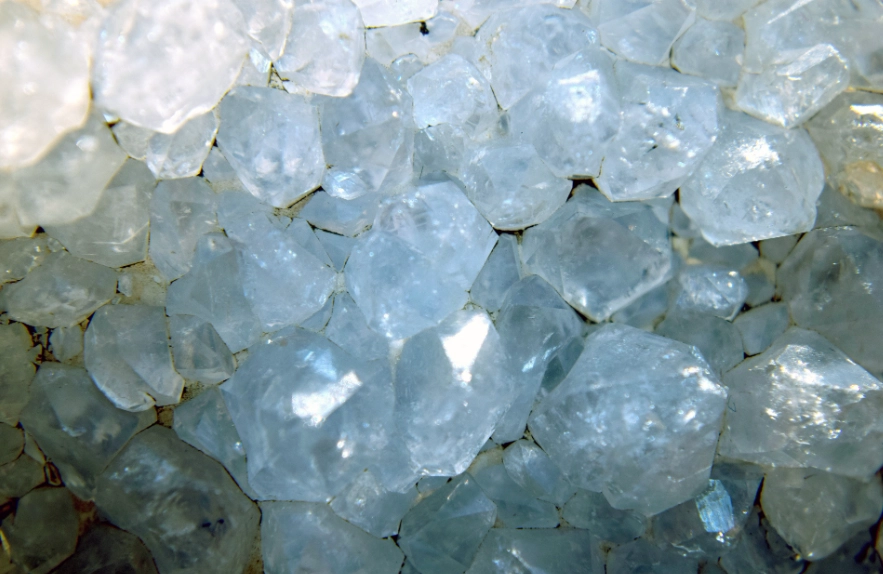
Integrating Blue Crystals into Daily Life
For Focus & Work: Place a piece of Sodalite or Lapis Lazuli on your desk. Don't just plop it down. Use it as a physical anchor. When your mind wanders, pick it up, feel its texture, take three deep breaths, and put it back. This creates a simple, tactile ritual to reset your focus.
For Sleep & Relaxation: Keep a Blue Lace Agate or Celestite on your nightstand. The visual cue of a soft blue color can signal to your brain that it's time to wind down. Some people place it under their pillow, but if it's a fragile stone like Celestite, that's a bad idea.
For Communication: Wear a Lapis or Aquamarine pendant when you have an important conversation, presentation, or difficult talk. Again, it's a tangible reminder of your intention to speak clearly and listen deeply. The crystal isn't doing the work for you; it's reinforcing your own conscious goal.
The Maintenance Reality: Cleansing and Care
This is where a lot of mystical advice falls short on practicality. Here's a grounded approach:
- Sunlight: Great for many stones, but will fade Amethyst, Celestite, and Aquamarine. I ruined a lovely Celestite cluster this way. Learn from my mistake.
- Moonlight: A safe, gentle method for all crystals. A windowsill works fine.
- Water: Risky. Many crystals are water-soluble (Selenite, Angelite) or contain metals that can rust (Pyrite in Lapis). When in doubt, don't. A quick rinse under tap water is usually okay for hard stones like Quartz, but always dry thoroughly.
- Simplest Method: Intentional breathing. Hold the crystal, set the intention to clear any stagnant energy, and visualize it filling with light. It costs nothing and harms nothing.
The idea of "cleansing" isn't about literal dirt; it's about resetting the object's association with your energy. Think of it like rebooting your computer.
Your Blue Crystal Questions, Answered Honestly
What's the biggest mistake people make when buying blue crystals online?
They trust the marketing description over the visual evidence. Look for multiple high-resolution photos from different angles, especially against a neutral background. A seller showing only one glamour shot is hiding something, usually treatments or poor quality. Read the fine print: "stabilized" means treated with resin, "enhanced" usually means dyed or heated. A genuine seller will often mention these treatments upfront.
Can I wear blue lace agate every day, and will it get damaged?
You absolutely can. Blue Lace Agate has a Mohs hardness of around 6.5-7, making it suitable for daily-wear jewelry like bracelets or pendants. It's more durable than people think. Avoid harsh impacts (like stacking it with much harder diamonds) and exposure to harsh chemicals like bleach or ammonia. A simple soap and water clean is fine. Its gentle energy profile makes it ideal for constant wear without feeling overwhelming.
 Is there a scientific basis for crystal healing, or is it all placebo?
From a strict, peer-reviewed scientific perspective, there is no evidence that crystals emit unique energies that heal physical disease. However, the placebo effect is a powerful, real neurological phenomenon. If holding a calming blue stone lowers your stress hormones because you believe it will, then it has produced a real, measurable benefit. The ritual of using a crystal can promote mindfulness, which has proven benefits for mental health. Think of them as tools for focus and intention, not magic pills.
How can I tell if my dark blue stone is real Lapis Lazuli or just dyed howlite?
Get a cotton swab and some acetone (nail polish remover). Dab it on an inconspicuous area. If blue comes off on the swab, it's dyed. Real Lapis will not bleed color. Also, examine it under bright light. Real Lapis has a complex, granular appearance with uneven distribution of blue and pyrite. Dyed howlite will show the characteristic gray web-like patterns of howlite underneath the dye, especially in cracks or backside. Genuine Lapis also feels denser and colder than howlite.
Are there any ethical concerns with buying natural blue crystals?
Yes, and this is rarely discussed. Mining can have significant environmental and social impacts. Look for sellers who discuss ethical sourcing or participate in fair-trade initiatives. Recycled or vintage crystals are a fantastic, low-impact option. For larger purchases, ask about the mine origin. Supporting small-scale, artisanal miners is often better than buying stones from large, unregulated operations. The Gemological Institute of America (GIA) provides resources on ethical sourcing.
Related Articles
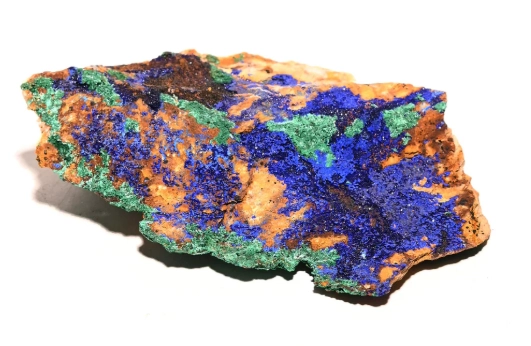
Azurite Crystal Properties: A Complete Guide to Meaning, Uses & Benefits
Blue Jadeite: The Complete Guide to Meaning, Value & Care
Sodalite Zodiac Signs: Who Should Wear It & Why
Blue Aventurine Meaning: Healing Properties, Uses & Benefits
White Sapphire vs Diamond: An Honest Comparison for Your Jewelry