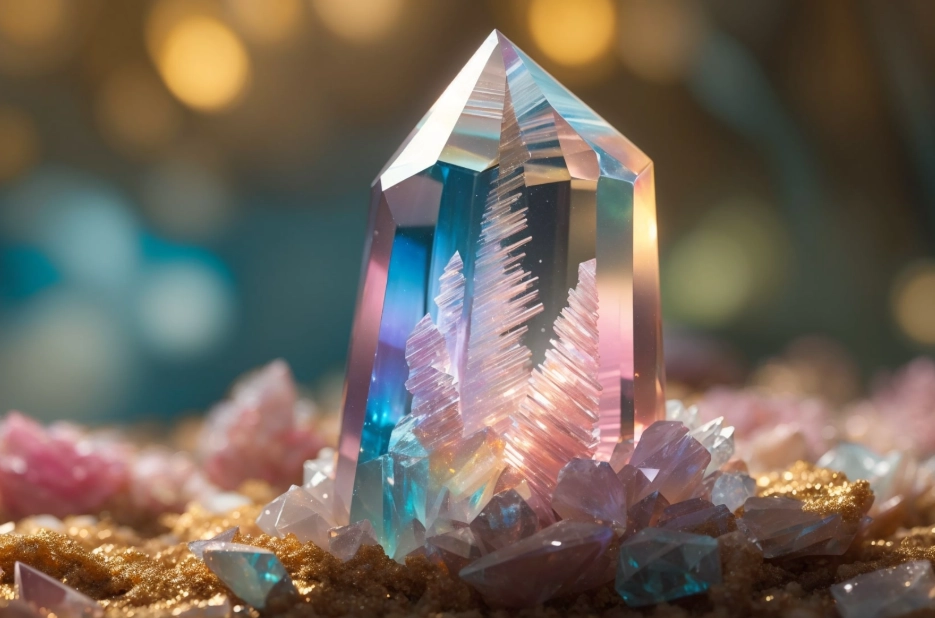
Let's talk about opal. You've probably seen it—that stone with a crazy, shifting play of color that seems to hold a tiny rainbow inside. It's not like a diamond or a ruby. It's... unpredictable. And that's exactly why people have been obsessed with it for thousands of years. But what's the real story behind it? What does opal mean, and beyond just looking pretty in a necklace, what can you actually do with it?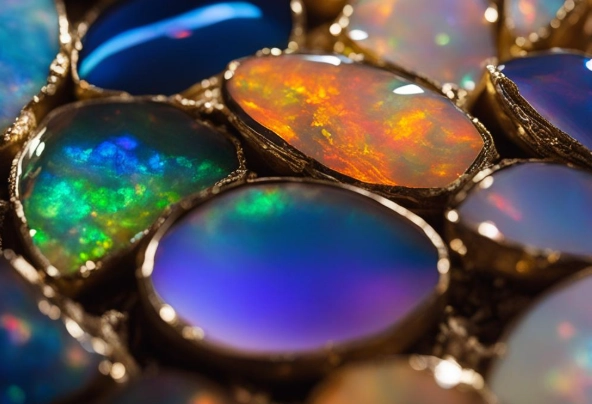
Quick Guide
That's what we're going to unpack. Forget the dry, textbook definitions. We're going to look at opal meaning and uses from every angle: the ancient legends, the modern symbolism, how to wear it, how to care for it (because it can be fussy!), and even how some people believe it can influence your life. Whether you're buying your first piece, trying to understand a gift, or are just fascinated by gems, this guide is for you.
The Heart of Opal: Its Meaning and Symbolism
To get why opal is so special, you have to start with what it represents. It's never been just a "pretty rock."
Myths, Legends, and a Bad Rap
Opal has a seriously mixed reputation in history. The ancient Romans thought it was the king of gems, combining the best colors of all other stones. They called it "opalus," and it symbolized hope and purity. For them, owning an opal was a major status symbol.
Fast forward to medieval times, and things got weird. Opal got a reputation for being a lucky charm for thieves because it was thought to grant invisibility. I know, right? Then, in the 19th century, thanks largely to a wildly popular novel by Sir Walter Scott where an opal-baring heroine meets a bad end, the stone became associated with bad luck and misfortune. This stigma stuck for a long time, especially in Europe.
But in other parts of the world, the story was always different. Arabic legends said opals fell from the sky in flashes of lightning. Australian Aboriginal Dreamtime stories describe the creator coming to earth on a rainbow, leaving opals where his feet touched the ground, making them sacred stones of spiritual significance.
That 19th-century bad luck myth? It's mostly nonsense, and it's fascinating how a single book can change a gem's reputation for centuries. Today, we see it more for its beauty and positive symbolism.
The Core Symbolism of Opal: At its heart, across most cultures now, opal stands for a few key things: Hope (those fiery colors breaking through), Purity, Truth, and, maybe most importantly, Creativity and Imagination. Its ever-changing colors make it the ultimate stone for artists, writers, and anyone who needs to tap into their inner world.
The Color-Changing Magic: What Your Opal's Hue Might Mean
Here's where it gets personal. Not all opals are the same, and the dominant color in your stone's "play-of-color" can add another layer of meaning. This isn't a strict rulebook, but more of a fun, traditional guide.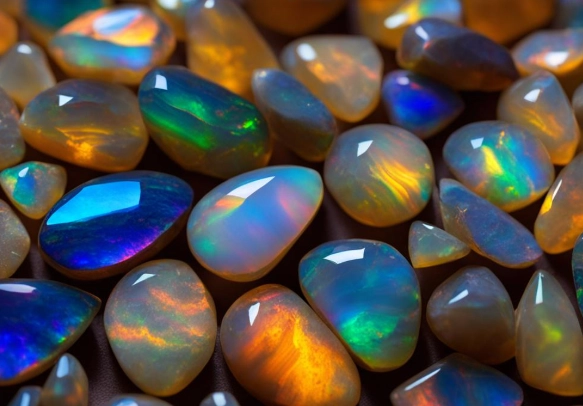
| Dominant Color in Play-of-Color | Common Associated Meanings |
|---|---|
| Red & Orange | Passion, energy, courage, action. A stone of vitality and willpower. |
| Green | Growth, healing, balance, prosperity. Connects to nature and renewal. |
| Blue | Calm, communication, patience, peace. Excellent for soothing anxiety. |
| Purple & Violet | Spirituality, intuition, wisdom, magic. Enhances dream states and psychic awareness. |
| White & Milky Hues | Purity, innocence, clarity, new beginnings. Often associated with the moon. |
My personal favorite are the deep blue and green flashes in a black opal. They feel like looking into a galaxy. A stone with mostly red fire is incredibly rare and powerful-looking, but honestly, I find the softer blues more calming to wear daily.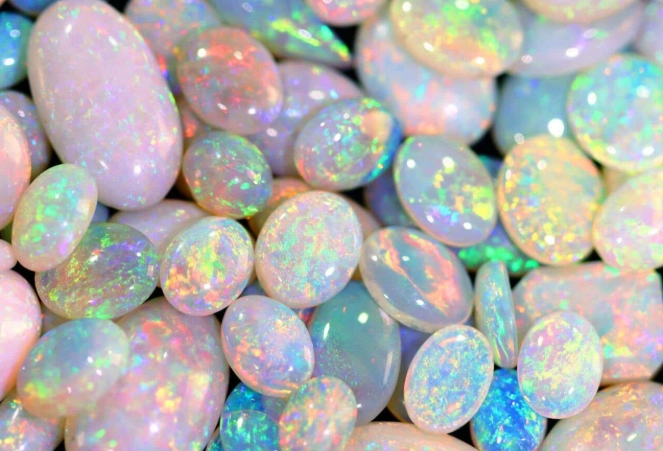
October's Treasure: The Birthstone Connection
If you're born in October, opal is one of your birthstones (alongside tourmaline). This is a perfect match. October is a month of change—leaves turning, seasons shifting. Opal, with its inherent changeability, mirrors that energy. It's said to amplify the positive traits of Libra and Scorpio season and protect those born under its watch. A birthstone opal isn't just jewelry; it's a personal talisman.
So, when we talk about opal meaning and uses, the "meaning" part is this rich tapestry of history, color psychology, and personal connection. It's a stone that asks you to look deeper.
Beyond Beauty: The Practical and Esoteric Uses of Opal
Okay, so you know what it symbolizes. But what do you do with it? How do people actually incorporate opal meaning and uses into their lives? It ranges from the purely practical to the deeply spiritual.
The Main Arenas of Use
Let's break it down.
- Jewelry & Adornment: This is the most obvious one. Opals are set into rings, pendants, earrings, and bracelets. The key here is setting. Because opal is relatively soft (5.5-6.5 on the Mohs scale) and can be sensitive to knocks and temperature changes, a protective bezel or halo setting is often smarter than a prong setting that leaves it exposed. Pendants and earrings are generally safer than rings for daily wear.
- Collection & Investment: High-quality opals, especially black opals from Lightning Ridge, Australia, are considered collectible assets. Their value is determined by the brightness, pattern, and range of their play-of-color, the body tone, and the cut. Unlike diamonds, there's no single grading standard, so buying for investment requires real expertise and trusted dealers.
- Healing & Spiritual Practices (The Metaphysical Uses): This is a huge part of modern opal use. In crystal healing and metaphysical traditions, opal is seen as an amplifier. It's said to intensify your emotions and thoughts, so keeping your mental space positive is key! Common beliefs include:
- Enhancing creativity and unleashing inspiration.
- Bringing buried emotions to the surface for healing.
- Strengthening memory.
- Helping the wearer find their true self and life path.
I keep a small white opal on my writing desk. Do I think it magically makes my prose better? Not exactly. But it serves as a beautiful, tangible reminder to let my imagination play—a function that's genuinely useful. - Industrial & Decorative Uses: Lower-grade common opal ("potch") without play-of-color is used in ornamental carvings, inlays, and even as a polishing compound.
How to Actually "Use" Opal in Your Daily Life
This is the hands-on part. You have an opal—now what?
- Wear It Mindfully: Choose jewelry that fits the occasion. A delicate opal pendant for everyday, a statement ring for special events. Pay attention to how you feel when you wear it. Does it make you feel more confident? More reflective?
- Meditate With It: Hold a tumbled opal in your hand or place it on your forehead (third eye chakra) during meditation. Focus on its colors with your eyes closed. The goal isn't to force anything, but to use the stone as a point of focus for introspection or creative visualization.
- Place It in Your Environment: A nice opal specimen on your office desk can be a conversation starter and a visual cue to think outside the box. In the bedroom, some believe it can encourage vivid dreams (though maybe keep it off the nightstand if you're prone to nightmares!).
A Word on "Opal Water": You might read about making "gem elixirs" or "opal water" for internal use. Please do not do this. Many opals are porous, and some treatments or even natural elements within the stone can dissolve in water. It's not safe to consume. The American Gem Trade Association and gemological labs like the Gemological Institute of America (GIA) focus on gem identification and education, not endorsing consumable elixirs. Stick to external uses.
Understanding the full spectrum of opal meaning and uses means seeing it as both an object of beauty and a tool for personal reflection. Its utility is what you make of it.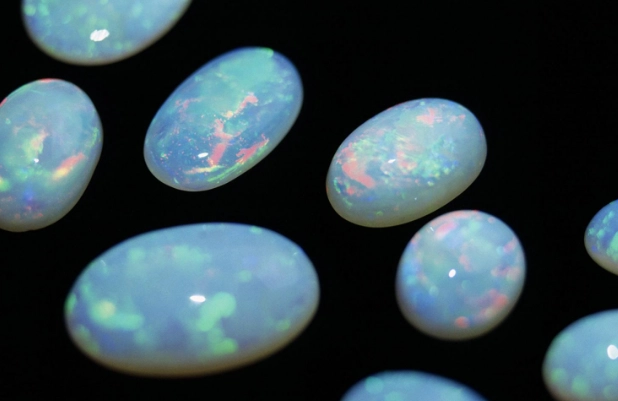
A Spectrum of Fire: Opal Types and Where They're From
Not all opals are created equal. The type of opal you have completely changes its character, value, and even how you should care for it. Knowing this is crucial for any meaningful discussion on opal uses.
The Big Four: Value Drivers (The 4 Cs of Opal)
Before we get to types, know what gemologists and dealers look for:
- Color (Play-of-Color): This is #1. Brightness, range (red is rarest), and pattern (harlequin, pinfire, flame, etc.).
- Body Tone: The background color the play-of-color dances against, from N1 (black) to N9 (white). Darker body tones make the colors pop more, hence black opal's premium.
- Clarity & Transparency: From transparent (crystal opal) to opaque.
- Cut & Carat Weight: A good cut maximizes the color play from the top. Opal is sold by carat, but the price per carat skyrockets with quality.
The Major Opal Families
Here’s a breakdown of the main types you’ll encounter. This table should help clear things up.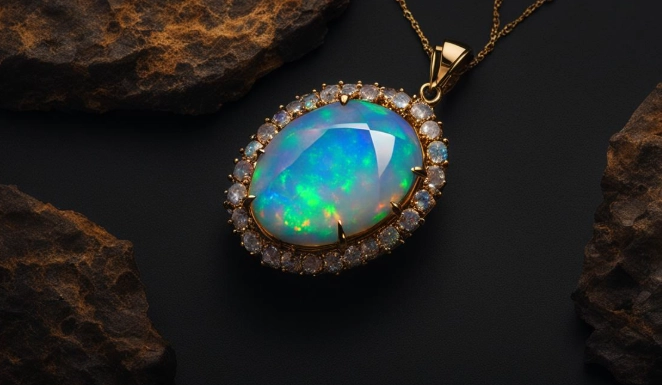
| Opal Type | Key Characteristics | Primary Source | Best For... |
|---|---|---|---|
| Black Opal | Play-of-color against a dark body tone (N1-N4). The most valuable and sought-after type. The colors look like neon against a night sky. | Lightning Ridge, Australia (most famous) | High-end jewelry, investment pieces, statement rings/pendants. |
| White (or Light) Opal | Play-of-color against a light, white, or milky background (N5-N9). The most common type of precious opal. Softer, more ethereal look. | Coober Pedy, Australia | All types of jewelry, especially for everyday wear. More affordable entry point. |
| Boulder Opal | Thin veins of opal formed within ironstone boulders. The host rock is left as a natural backing. Often has stunning patterns and is very durable. | Queensland, Australia | Rustic, organic-looking jewelry. Often cut into freeforms. Great for men's rings. |
| Crystal Opal | Any precious opal that is transparent or semi-transparent. The color play is visible through the stone. Can be on any body tone. | Various (Australia, Ethiopia, Brazil) | Showcasing depth. Incredible in pendants where light can pass through it. |
| Fire Opal | Often transparent to translucent with a body color of yellow, orange, or red. It may or may not have play-of-color. The "fire" refers to its hot body color. | Mexico (primarily) | Vibrant, warm-colored jewelry. A sunny, energetic alternative. |
| Ethiopian Opal | A relatively new source (1990s). Includes stunning crystal opals and hydrophane opals that absorb water, changing their appearance. Can be less stable if not cared for properly. | Wollo Province, Ethiopia | Large, often more affordable specimens with wild patterns. Requires expert care. |
I have a soft spot for Australian boulder opal. There's something about that raw, unpolished ironstone backing that makes the flash of blue or green feel like a secret just for you. Ethiopian opal can be breathtakingly beautiful, but buyer beware—its hydrophane nature means it can absorb oils, lotions, and even water, which can temporarily cloud it or, in rare cases, cause cracking if it dries too fast. You have to know what you're getting.
Synthetic, Treated, and Imitation: Knowing the Difference
This is critical for practical opal use. You don't want to pay a premium for a treated stone thinking it's natural.
- Synthetic Opal: Lab-created. Has a real chemical structure of silica spheres, just made by humans. It shows play-of-color but often in a too-perfect, "lizard skin" or columnar pattern. It's a real opal, just not from the earth. Great for affordable, durable jewelry.
- Treated Opal: Common treatments include smoke treatment (to darken body tone, creating "smoked opal"), sugar-acid treatment, and polymer or resin impregnation (to stabilize porous opal, like some from Ethiopia). Any treatment should be disclosed by the seller. The GIA offers extensive resources on gem treatments.
- Imitation Opal: This is fake stuff—plastic, glass, or "opalite" (man-made glass). No play-of-color, just a milky sheen. Easy to spot once you've seen the real thing.
Always ask: "Is this natural, and has it been treated?" A reputable seller will tell you.
Your Opal Journey: Buying and Caring for Your Stone
This is the most practical section of all. Let's say you're convinced. You want to bring an opal into your life. How do you do it right, and how do you keep it beautiful for decades?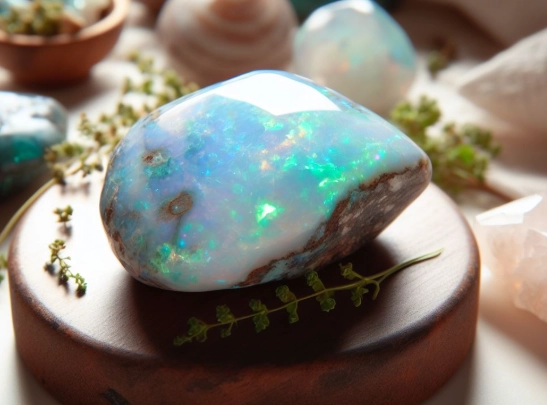
Buying an Opal: What to Look For (and Red Flags)
- Set a Budget & Purpose: Are you buying a $100 souvenir or a $5000 investment piece? Is it for daily wear or occasional display? This dictates the type and setting.
- Buy From Reputable Sources: Established jewelers, gem shows with verified dealers, or reputable online specialists. Check reviews. Avoid too-good-to-be-true deals on social media marketplaces.
- Examine the Stone: Look at it under different lights (natural daylight is best). See how the color play moves. Check for surface cracks ("crazing"), especially near the edges of doublets/triplets. Ask about origin and treatments.
- Consider the Setting: For rings, a protective bezel is your friend. For pendants, you have more flexibility. Make sure prongs are secure and the stone isn't sitting too high where it can get snagged.
Opal Care: The Non-Negotiable Rules
Opal is not a "set it and forget it" gem. Its water content (typically 3-10%) makes it sensitive. Follow these rules to avoid a heartbreaking crack.
- Avoid Sudden Temperature Extremes: Don't wear your opal ring while baking, then run your hands under cold water. Thermal shock is a prime cause of cracking.
- Keep it Away from Chemicals: Perfume, hairspray, household cleaners, and even acidic foods can damage the surface. Put your opal jewelry on last when getting ready.
- Gentle Cleaning Only: Use only a soft, damp cloth. Mild soapy water is okay for solid opals, but dry it immediately and thoroughly with a soft cloth. Never soak an opal. Do not use ultrasonic or steam cleaners—ever.
- Storage is Key: Store opals separately in a soft cloth pouch or a fabric-lined jewelry box. Don't let them rattle against harder gems like diamonds or sapphires, which will scratch them.
- For Hydrophane Opals (like some Ethiopians): Be extra vigilant. They can absorb liquids and change appearance. If they get cloudy from water or oil, they will usually return to normal after slowly drying at room temperature. Patience is key.
The Absolute "Don'ts":
- DON'T leave it in direct, hot sunlight (like on a car dashboard).
- DON'T wear it during heavy manual work, sports, or gardening.
- DON'T store it in a safety deposit box long-term if it's very dry; occasional humidity is good. A small dish of water in the safe can help (but don't get the stone wet!).
Answering Your Burning Questions (FAQs)
Final Thoughts: Making Opal Work for You
Exploring opal meaning and uses is a journey without a single destination. For some, it ends with a beautiful piece of jewelry that brings joy. For others, it's a deeper dive into geology, history, or personal symbolism.
The key is to start with accurate information. Respect the stone's physical nature—it's delicate, it demands care. Then, layer on your own meaning. What does its fire remind you of? What intention do you want to pair with it?
Maybe you'll buy a simple white opal pendant and wear it every day, following the old advice to keep it close to your skin. Maybe you'll save up for a spectacular black opal ring for special occasions. Or maybe you'll just appreciate them from afar, knowing the incredible natural artistry that creates them.
However you choose to engage with opal, do it with your eyes open. Understand its vulnerabilities as well as its beauty. That knowledge, more than any legend or lore, is what will allow you to truly enjoy this most magical and mysterious of gems for a lifetime.
Related Articles
Larimar Stone: The Complete Guide to the Caribbean Gem of Serenity
Green Jasper Spiritual Meaning: The Grounding Stone for Heart & Home
Citrine Chakra Guide: Solar Plexus Association & Healing Uses