Ask ten people what jade represents, and you might get ten different answers. Protection, purity, wealth, healing, eternal love. The list goes on. But here's the thing most quick guides miss: jade's meaning isn't a single, static definition. It's a layered story woven from 8,000 years of human history, geology, and personal belief. It's the difference between a museum artifact and the warm, worn bracelet on your wrist. If you're looking to understand jade beyond a simple "it means good luck," you're in the right place. We're going past the surface to see why this stone has captivated emperors, healers, and everyday people for millennia, and what it could mean for you today.
What You'll Discover in This Guide
The Core Symbolism: More Than Just Luck
Let's start with the big picture. Jade isn't just one thing. Its representation clusters around a few powerful, interconnected themes.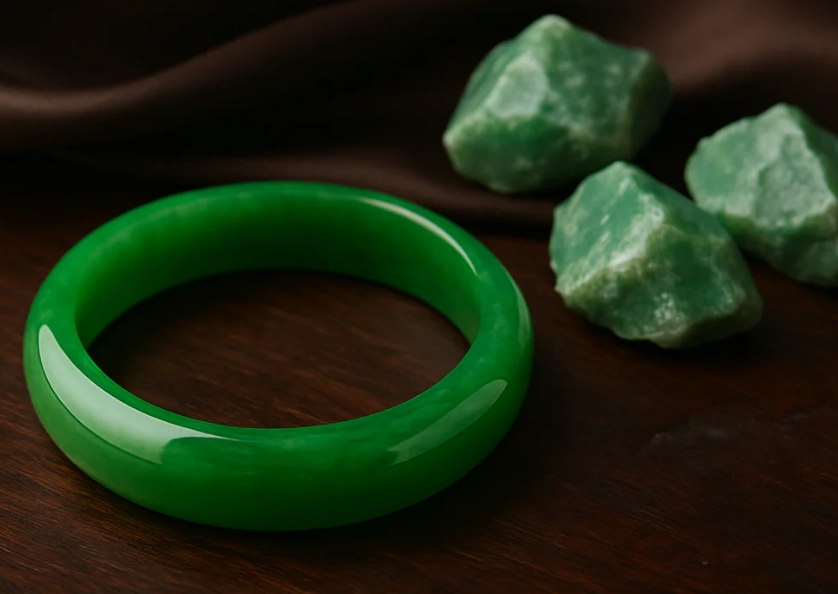
Purity and Serenity. Its smooth, often cool surface and translucent quality have long been linked to moral integrity, clarity of mind, and peace. In Confucian thought, it symbolized virtue. Wearing it was a reminder to act with honor.
Protection and Safety. This is a huge one, and arguably the most universal. From ancient Chinese warriors wearing jade amulets into battle to Mesoamerican cultures believing it guarded against illness, jade has been a spiritual shield. People didn't just think it looked nice; they believed it had an active, defensive energy.
Prosperity and Abundance. The connection to wealth is undeniable, especially in East Asian cultures. But it's not just about cash. It represents a flourishing life—good health, strong relationships, and success in endeavors. A common gift for businesses and new ventures.
Longevity and Immortality. Its incredible toughness (more on that later) made it a symbol of eternal life. The Chinese elite were even buried in jade suits to preserve their bodies for the afterlife. It speaks to a deep human desire for permanence.
Here’s the mistake I see beginners make: they buy a piece for one specific meaning (like wealth) and get frustrated when their life doesn't transform overnight. Jade's symbolism works more like a gentle nudge than a magic switch. It's a focal point for intention.
A Walk Through History: Jade's Cultural Footprint
To truly get what jade represents, you have to see where it's been. Its story changes depending on the map.
China: The Heart of Nephrite Jade
In China, jade (primarily nephrite, known as "yu") was, and still is, the ultimate stone. It was valued above gold and diamonds. Emperors held scepters made of it. The famous bi (a flat disk with a hole) and cong (a square tube) ritual objects represented heaven and earth. The philosopher Confucius explicitly linked jade's physical properties to virtues: its polish to benevolence, its hardness to wisdom. This wasn't casual symbolism; it was the bedrock of a cultural and spiritual system. Visiting the National Palace Museum in Taipei or the Shanghai Museum offers a breathtaking look at this history.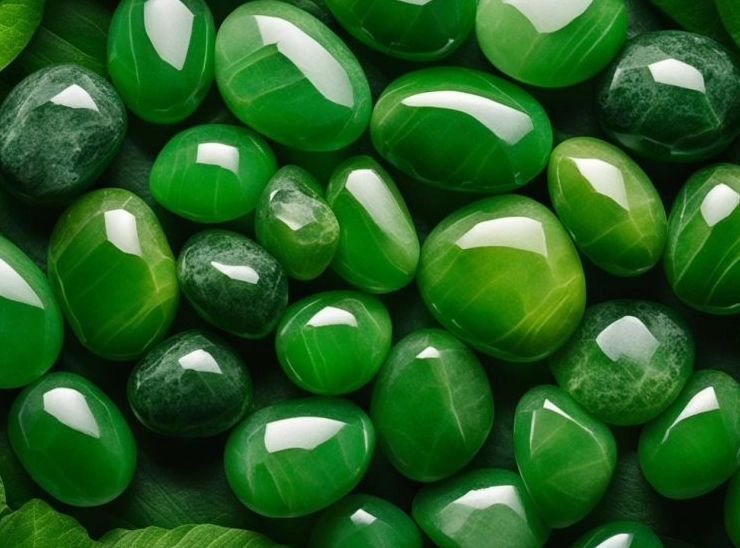
Mesoamerica: The Sacred Green of the Maya and Olmec
Across the ocean, the Olmec, Maya, and Aztec civilizations revered jadeite jade (often a brighter green) with equal passion. For them, it was the stone of life, associated with water, vegetation, and royalty. Maya kings were entombed with jade mosaics over their faces. It represented the soul and the heart's essence. When you see a Maya jade plaque, you're not just looking at jewelry; you're looking at a piece of someone's perceived eternity.
Maori of New Zealand: Pounamu, the Treasure of the Land
In New Zealand, nephrite is known as pounamu or greenstone. It's a treasure (taonga) with deep spiritual significance to the Māori people. Heirlooms like the hei tiki (a stylized human figure) and mere (a weapon/club) are passed down generations, embodying the mana (prestige, power) of ancestors. Its value is intrinsic to identity and connection to the land. Buying a piece of authentic pounamu involves understanding its cultural weight.
A Quick Geology Note That Changes Everything: "Jade" is a trade name for two different minerals: nephrite and jadeite. Nephrite is tougher (the toughest natural mineral on earth, in fact), usually in creamy or spinach greens. Jadeite is rarer, comes in a wider color palette (emerald green "Imperial Jade," lavender, red), and is often more translucent. Most ancient Chinese jade is nephrite. The vivid green Mesoamerican jade is jadeite. When someone talks about jade's meaning, they're often blending the history of these two distinct stones. Knowing which one you have adds a layer to its story.
Jade's Healing Properties: Metaphysical Claims & Modern Mindset
This is where online content gets muddy. You'll find endless lists claiming jade cures specific ailments. Let's clear that up with a practical, grounded approach.
In crystal healing traditions, jade is primarily seen as a heart and kidney stone. It's believed to nurture, balance emotions, and release negativity. The idea is that its stable, gentle energy promotes physical and emotional well-being.
But here's my take after years in this space: The real "healing property" of jade often comes from the ritual and mindfulness it encourages, not a measurable energy field. Let me give you a real scenario.
You buy a jade roller for your skincare routine. The claims say it depuffs and helps serums absorb. The physical act of rolling, the cool sensation, forces you to slow down for five minutes. You breathe. You're present. That reduction in stress? That's real. Whether it's the stone or the ritual is almost beside the point. The jade became a tool for self-care.
Similarly, a worry stone kept in your pocket. When anxiety hits, you rub its smooth surface. The tactile focus grounds you. The jade represents calm, and the action reinforces it.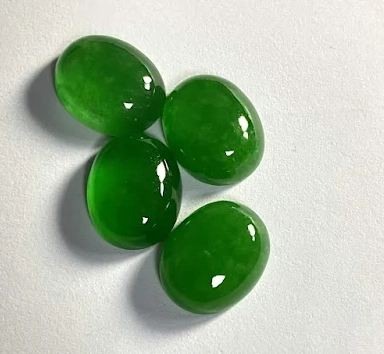
| Common Use Case | Traditional Metaphysical Claim | A Practical, Modern Interpretation |
|---|---|---|
| Jade Bangle (Bracelet) | Protects the wearer, circulates positive energy. | Serves as a constant, tangible reminder of an intention (e.g., "stay grounded"). Its presence can be calming. |
| Jade Pendant over Heart | Heals emotional wounds, attracts love. | Acts as a personal talisman. Wearing something meaningful can boost confidence and self-awareness in social or vulnerable situations. |
| Jade in a Workspace | Attracts prosperity and success in business. | A meaningful object that can reduce stress during work, making you clearer and more decisive. It symbolizes your growth goals. |
| Jade Massage Tool (Gua Sha) | Releases "toxins" and stagnant energy. | Promotes lymphatic drainage and blood circulation through physical massage. The ritual encourages mindfulness. |
Approach jade's healing aspects with this mindset, and you'll avoid disappointment and find genuine personal value.
How to Choose & Use Jade: A Practical Framework
So you're drawn to jade. How do you pick a piece that's right for you and authentic? Let's get tactical.
1. Set Your Intention (Before You Shop)
Don't just browse. Ask yourself: What do I want this stone to represent for me right now? Is it a need for calm? A symbol of personal growth? A connection to a particular culture? Your intention will guide your choice of color, form, and type.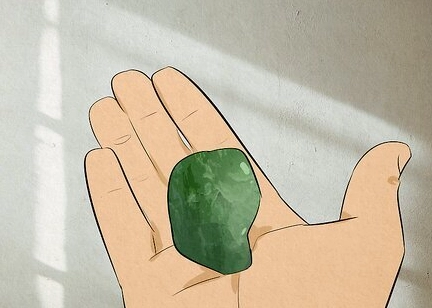
2. The Color Spectrum and Its Common Associations
While white/green are classic, jade comes in many hues.
- Green (All Shades): The universal color. Heart, growth, harmony, prosperity.
- White/Cream (Mutton Fat Jade): Purity, innocence, peace, moral integrity.
- Lavender: Spirituality, intuition, emotional healing. A personal favorite for its unique, gentle vibe.
- Yellow/Orange: Joy, optimism, warmth, and earthly prosperity.
- Black/Dark Green: Protection, grounding, strength, and absorbing negativity.
Go with what you're visually and emotionally drawn to. The "best" color is the one that speaks to you.
3. Spotting Real vs. Fake Jade: A Quick Survival Guide
The market is flooded with dyed quartz, glass, and plastic. Here's how not to get scammed.
- Temperature: Real jade feels cool to the touch and warms slowly. Plastic feels warm immediately.
- Texture & Weight: Nephrite has a fibrous, sometimes slightly gritty feel under a loupe. Jadeite has a granular feel. Both should feel denser and heavier than glass or plastic look-alikes.
- Imperfections: Real stone has natural inclusions, veins, and color variations. A perfectly uniform, bright green bracelet for $20 is almost certainly fake.
- The Sound Test (for bangles): Gently tap a real jade bangle with a coin or another piece of jade. It should produce a clear, resonant, melodic "clink." Fake stone or glass sounds dull and flat.
- Buy from Reputable Sources: Seek out sellers who specify the type (nephrite/jadeite) and offer lab certifications for high-end pieces. Gemological institutes like GIA provide reliable reports.
4. Incorporating Jade Into Your Daily Life
Make it personal. Don't just lock it in a box.
Wear it as jewelry for a constant connection. Place a small carved animal (like a pi xiù for wealth) in your wallet or near your desk. Use a jade roller or gua sha as part of a mindful morning or evening routine. Hold a palm stone during meditation, focusing on its cool weight and your intention.
The key is interaction. The more you connect with it, the more personal meaning it accumulates.
Your Jade Questions, Answered
Related Articles
Onyx Stone Meaning: Unlocking Its Mystical and Practical Power
Jasper Stones Guide: Types, Healing Properties, and Practical Uses
Red Jasper Meaning: Ultimate Guide to Healing Properties & Uses
Seraphinite: The Angelic Stone's Healing Secrets & Care Guide
Black Tourmaline and Selenite: The Ultimate Guide to the Grounding & Cleansing Duo