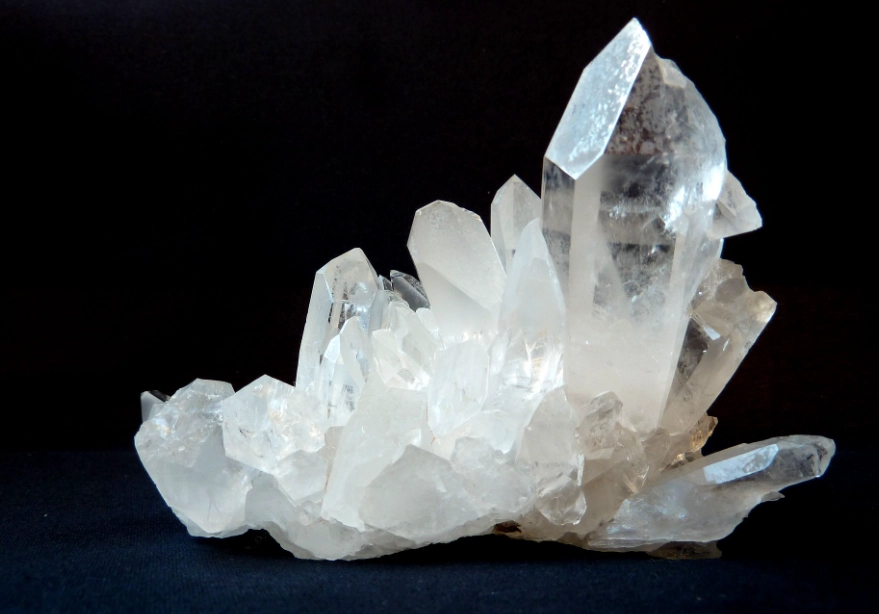
Let's get straight to the point. Yes, a white sapphire is absolutely a real, naturally occurring gemstone. It's not a synthetic invention or a clever marketing name for cubic zirconia. It's a genuine member of the corundum mineral family, the same family that gives us rich blue sapphires and vibrant red rubies. The confusion is understandable—when something looks so clear and brilliant, it's easy to wonder if it's "too good to be true." But the truth is, white sapphire has been around for millennia, formed deep within the Earth under intense heat and pressure.
I've been working with gemstones for over a decade, and I still see people's eyes light up when they hold a well-cut white sapphire. They expect something cold or glass-like, but they find a stone with a distinct, silky white brilliance. It's real, it's beautiful, and it's surrounded by a cloud of questions. Is it just a cheap diamond knock-off? Why does it sometimes look a bit hazy? How do you even buy one without getting ripped off?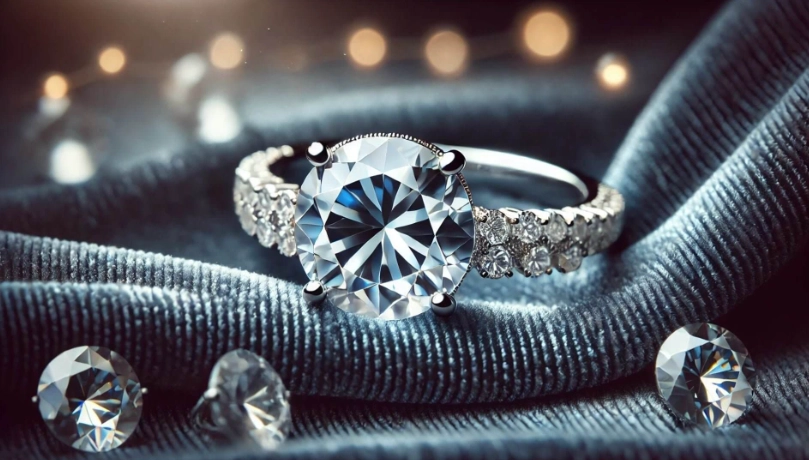
This guide cuts through the noise. We'll explore what white sapphire really is, how it stacks up against its famous cousin the diamond, what determines its value, and how to shop for one with confidence.
What’s Inside This Guide?
What Exactly Is a White Sapphire?
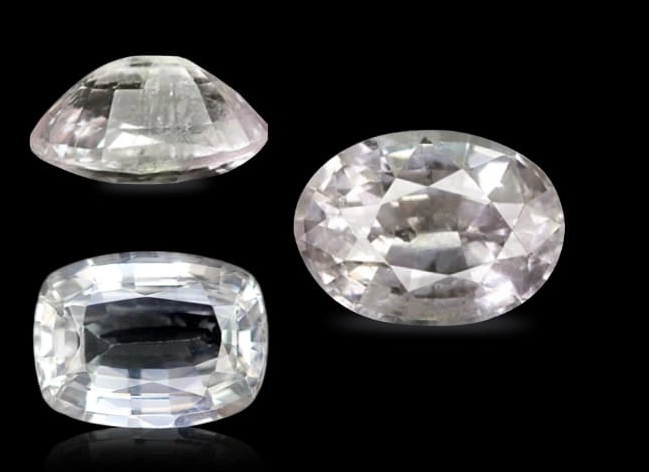
Think of white sapphire as the pure, colorless version of sapphire. All sapphires are made of aluminum oxide (Al₂O₃). The iconic colors come from tiny traces of other elements—iron and titanium for blue, chromium for pink, etc. A white sapphire is simply corundum that managed to form without any of these coloring trace elements. It's pure, which makes it surprisingly rare in nature. Most "colorless" sapphires you find in the market have a faint gray, yellow, or blue tint.
They form in metamorphic rocks (like marble) or in igneous rocks, and the best ones come from places like Sri Lanka, Madagascar, and Montana in the USA. The Gemological Institute of America (GIA) treats and identifies them just like any other precious sapphire.
A quick note on names: You might hear "white sapphire," "colorless sapphire," or "leucosapphire." They generally mean the same thing. "Leucosapphire" is the technical term, from the Greek 'leucos' for white. In the trade, "white" is more common, even though the goal is a complete absence of color.
Natural vs. Lab-Created White Sapphires
This is a crucial distinction. Both are "real" sapphire with the same chemical and physical properties.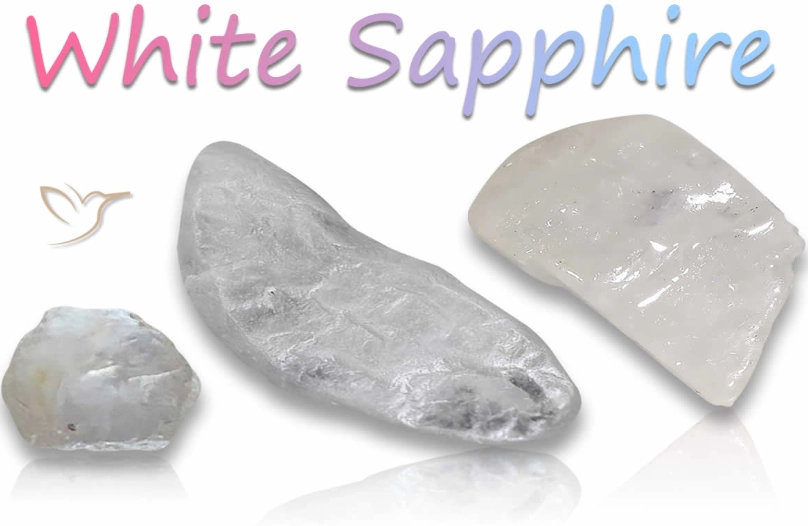
Natural white sapphires are mined. Their rarity, especially in large, flawless sizes, directly impacts their price. A top-quality natural white sapphire over 2 carats is a collector's item.
Lab-created white sapphires are grown in controlled environments using methods like the flame fusion (Verneuil) process. They are identical to natural ones in every way except origin—and price. They offer exceptional clarity and size for a fraction of the cost, making them a fantastic option for jewelry. It's not a compromise; it's a conscious choice for value and ethics. Always ask your jeweler which one they are selling.
White Sapphire vs. Diamond: The Head-to-Head Comparison
This is why most people are here. White sapphire is often positioned as a diamond alternative, but "alternative" doesn't mean "identical." Understanding the differences will tell you if it's the right alternative *for you*.
Let's break down the key specs first:
| Feature | White Sapphire | Diamond |
|---|---|---|
| Mineral Family | Corundum | Carbon |
| Mohs Hardness | 9 (Excellent for daily wear) | 10 (The hardest) |
| Refractive Index (Brilliance) | ~1.76 - 1.77 | ~2.42 |
| Dispersion (Fire/Sparkle) | 0.018 (Low) | 0.044 (High) |
| Typical Clarity | Often included (silky, feather-like inclusions) | Ranges from Flawless to Included |
| Price per Carat (1ct, Good Quality) | $300 - $1,500 (Natural); $50 - $200 (Lab) | $4,000 - $12,000+ (Natural); $800 - $2,000 (Lab) |
The table tells a technical story, but the on-the-wrist (or on-the-finger) experience is what matters.
The Brilliance and Fire Difference: This is the big one. Diamond has a higher refractive index and much higher dispersion. In plain English, a well-cut diamond acts like a complex prism, splitting white light into flashes of rainbow colors (fire) and reflecting more white light back (brilliance). A white sapphire has a softer, more subdued effect. It gives off a bright, silvery-white or glass-like shine. It sparkles, but with fewer rainbow flashes. Some people prefer this more subtle, elegant glow. Others miss the intense scintillation of a diamond.
Here's a mistake I see all the time: people buy a poorly cut white sapphire and blame the stone for looking "dead." Cut is everything for white sapphire. Because it doesn't have diamond's natural fire, the cutter must rely on perfect proportions and excellent polish to maximize its white light return. A shallow or poorly polished sapphire will look flat and lifeless.
Durability for Daily Wear: At a 9 on the Mohs scale, white sapphire is extremely durable. It's perfectly suitable for an engagement ring or a daily-wear pendant. The only thing that can scratch it is a diamond or another sapphire. The lower hardness means it might develop a patina of fine scratches (called "abrasion") on facets over many years of hard wear, slightly dulling its polish. A diamond is more resistant to this.v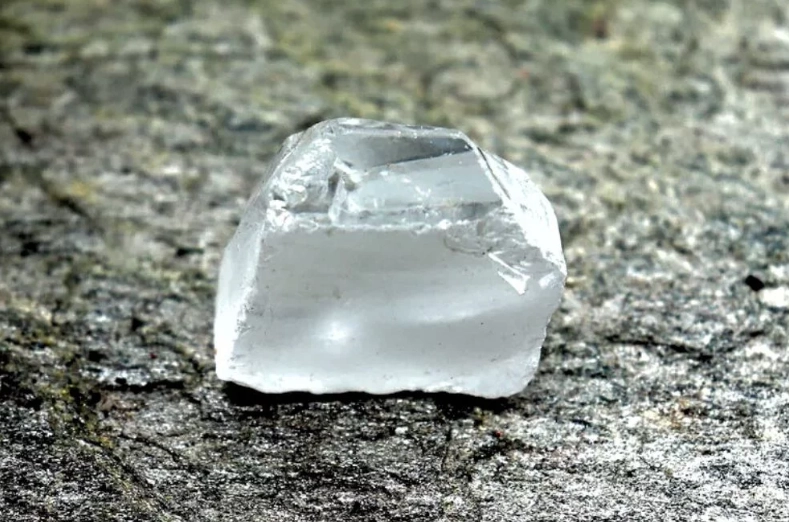
What Determines a White Sapphire’s Value & Price?
Forget diamond's 4Cs for a moment. White sapphire has its own rules.
- Cut (The Most Important C): This isn't just about shape. It's about the quality of the faceting. A premium cut for white sapphire is often deeper with more facets (like a brilliant or Portuguese cut) to chase every bit of light. A mediocre cut kills the stone's potential. Pay for the cut.
- Color (True Colorlessness): The absolute absence of body color is rare and valuable. Many stones have a faint milky, gray, or yellowish tinge. The whiter and more transparent, the better.
- Clarity: Eye-clean stones are preferred, but inclusions are common. Some inclusions, like fine "silk," can give the stone a soft, velvety look that some desire. Obvious black inclusions or cracks that threaten durability lower the value.
- Carat Weight: Price doesn't scale linearly. A flawless 3-carat natural white sapphire is exponentially rarer and more expensive than a 1-carat one. For lab-created, size is more affordable.
- Origin (Natural Only): For natural stones, a reputable origin (e.g., Ceylon/Sri Lanka) can add a premium. For lab stones, the brand or grower's reputation for quality might affect price slightly.
How to Buy a White Sapphire: A Practical Guide
Let's make this actionable. You're convinced and ready to shop. Here’s a step-by-step approach based on helping hundreds of clients.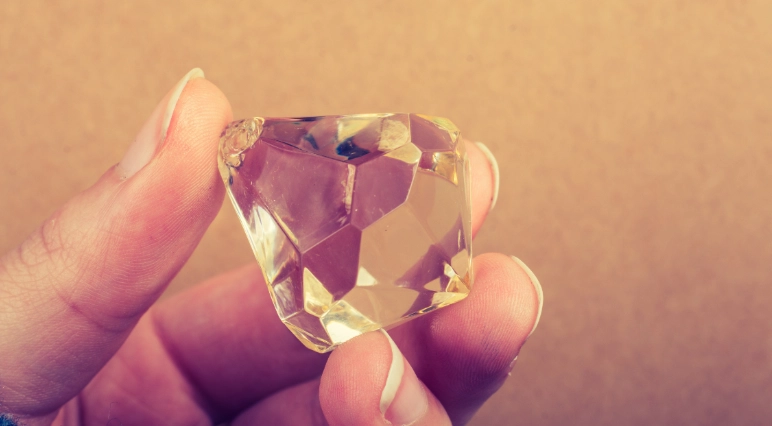
Step 1: Set Your Budget & Priorities.
Are you after the largest possible stone? Then lab-created is your friend. Do you value the story of a natural gem above all else? Allocate more for a smaller, natural stone. A realistic budget for a standout lab-created white sapphire engagement ring in a simple setting is $800 - $2,500. For a natural one, start at $1,500 and go up from there.
Step 2: Know Where to Look.
* Local Independent Jewelers: Great for seeing stones in person. Call ahead to see if they carry them. They often work with custom cutters.
* Specialist Online Retailers: Vendors like The Natural Sapphire Company or Brilliant Earth have large selections. Use their high-res videos.
* Etsy & Custom Designers: Fantastic for unique, hand-cut stones. Vet the seller reviews meticulously. Ask for a video in different lights.
Step 3: Ask These Specific Questions.
Don't just ask "Is this a good white sapphire?" Be precise:
"Is this natural or lab-created? Can I see the report?"
"Can you provide a video of the stone rotating under both spotlight and daylight-equivalent light?" (This reveals any cloudiness).
"What is the cutting style? Are the facets well-polished?"
"Does it have any noticeable tint or milkiness?"
Step 4: Consider the Setting.
A white sapphire can handle any setting. However, because its sparkle is more subtle, I often recommend settings that allow maximum light entry. A simple four-prong or bezel setting in white metal (platinum, white gold) enhances its cool white color. Halo settings with smaller diamonds can add extra sparkle around it, but make sure the center stone is clean and bright enough to hold its own.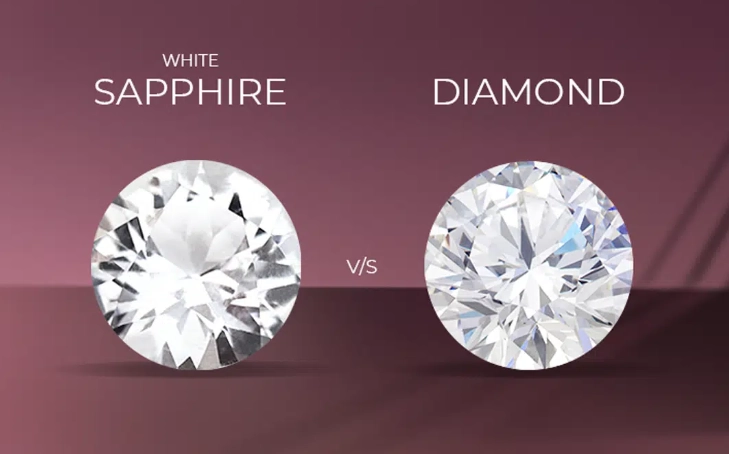
Your White Sapphire Questions, Answered
Will a white sapphire engagement ring look cheap or like a fake diamond?
Why does my white sapphire look cloudy or dull sometimes?
 Is white sapphire a good choice for an engagement ring?
How does white sapphire compare to moissanite?
Can white sapphires be passed down as heirlooms?
So, is white sapphire a real thing? Unequivocally, yes. It's a genuine, ancient, and stunningly beautiful gemstone that stands on its own merits. It's not a diamond substitute, but a compelling alternative for those who value durability, clarity, and a distinct kind of beauty without the traditional diamond price tag. The real question isn't about its authenticity, but whether its particular silky white light is the light you want to see on your hand for years to come.
Related Articles
White Sodalite Crystal Meaning: Healing Properties & How to Use It
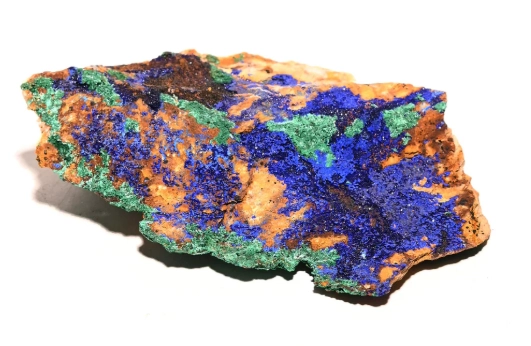
Azurite Crystal Properties: A Complete Guide to Meaning, Uses & Benefits
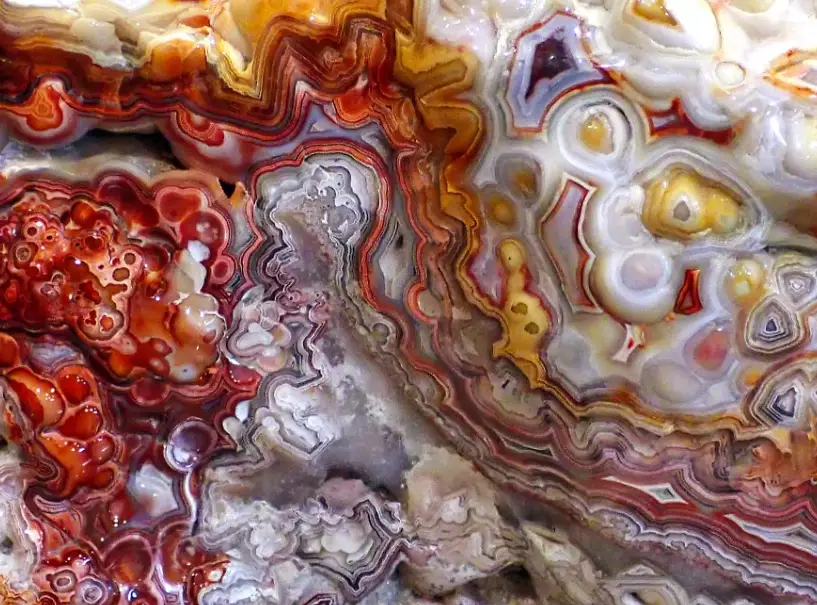
Crazy Lace Agate Meaning: Spiritual Insights & Healing Power
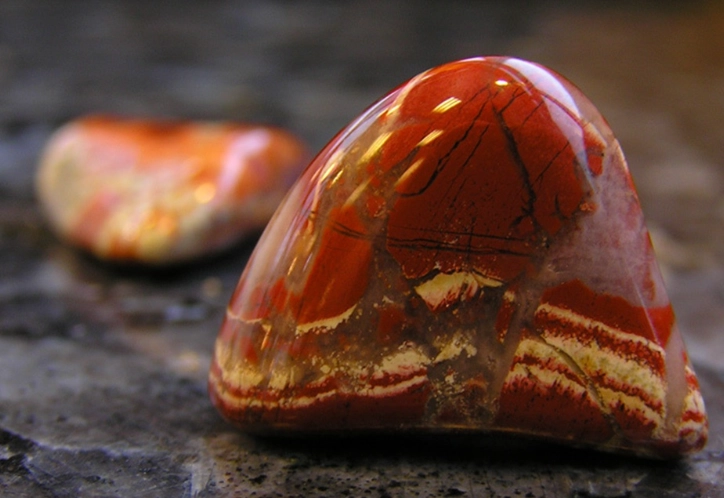
Pure Jasper Stone: What It Looks Like & How to Identify Real Jasper
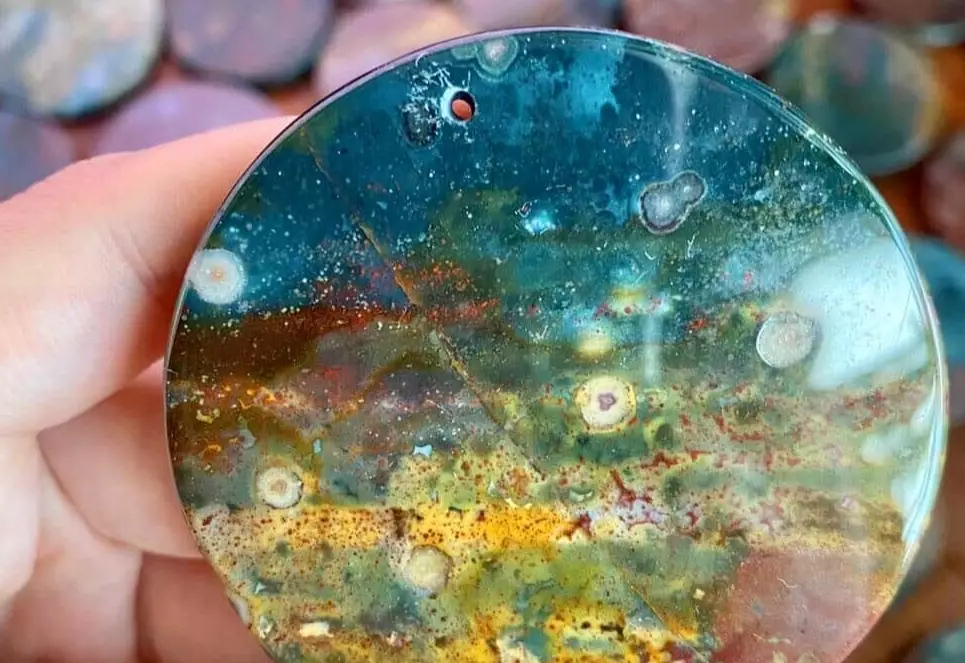
How to Spot Fake Ocean Jasper: The Ultimate Guide for Buyers & Collectors