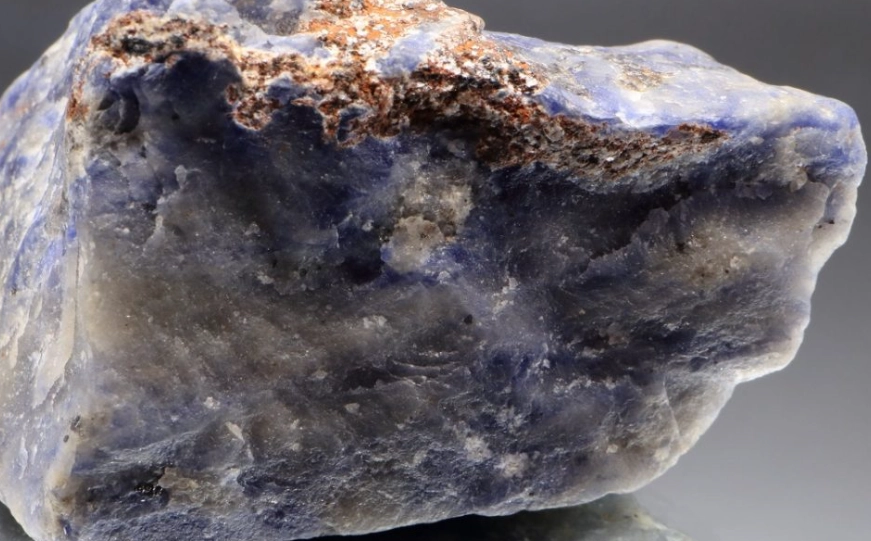
Forget what you think you know about jade. Most people see it as a pretty green stone for jewelry or expensive carvings. I did too, until I bought a small, rough nephrite pebble on a whim over a decade ago. That little stone started a journey that changed how I view this ancient material. The real jade stone benefits aren't about vague "good vibes"—they're a tangible blend of cultural history, practical geology, and subtle energy work that can actually impact your daily life. Let's cut through the fluff and talk about what jade really does, how to use it without falling for scams, and why it's been cherished for millennia.
What's Inside This Guide
What Are the Real Benefits of Jade Stone?
We need to split this into two parts: the documented, historical-cultural benefits that have stood the test of time, and the more modern, energy-based interpretations. Both are valid, but they speak to different needs.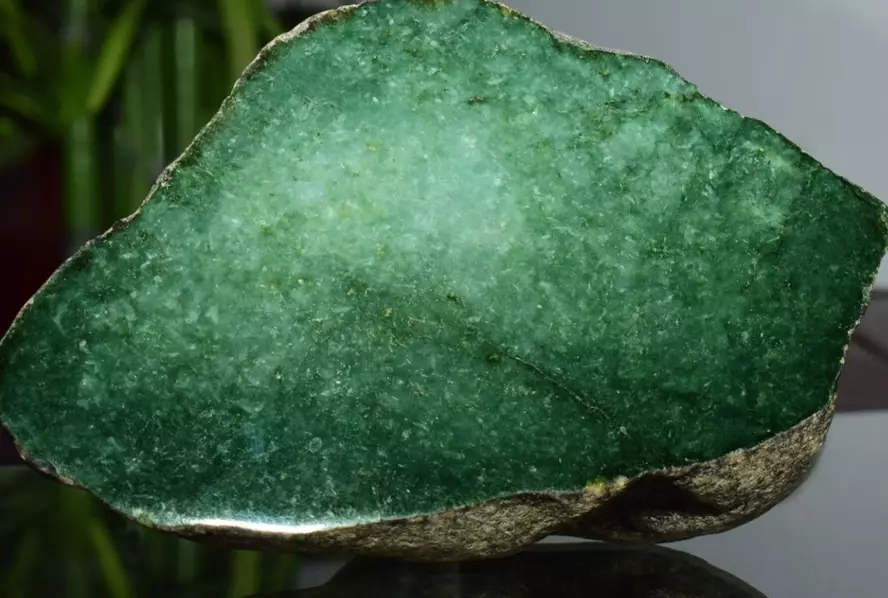
The Tangible, Historical & Cultural Perks
Jade's reputation isn't new. The Maya, Maori, and Chinese civilizations didn't prize it for thousands of years because it was merely decorative. They saw it as a substance of supreme utility and symbolism.
Durability as a Metaphor: Nephrite jade is incredibly tough. I mean, you could theoretically make tools from it. This physical toughness translated into a cultural belief in its ability to confer longevity, resilience, and protection. Wearing a jade bangle wasn't just fashion; it was like carrying a shield. This is a benefit rooted in observable material science.
A Status Symbol That Calms: Owning fine jade was a mark of virtue, nobility, and connection to heaven in ancient China. This association with high status and spiritual purity creates a psychological benefit. When you wear or hold a piece you believe is precious and meaningful, your mindset shifts. You carry yourself differently. It's a placebo, maybe, but one backed by centuries of consensus.
The Modern Energetic & Healing Properties
This is where most searches lead. In contemporary crystal healing and holistic practices, jade is considered a master heart healer. But let's get specific, because "heart healing" is overused.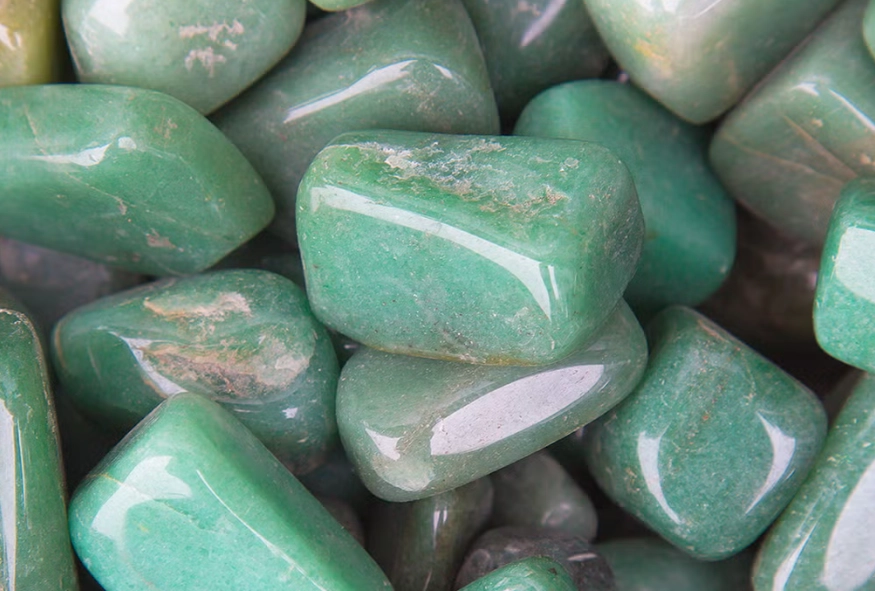
| Jade Color | Primary Associated Benefit | Best Used For |
|---|---|---|
| Green Jade (Classic) | Emotional balance, nurturing, attracting gentle abundance | Soothing anxiety, fostering growth in relationships or projects |
| White Jade (Mutton Fat) | Purification, mental clarity, connection to higher self | Meditation, decision-making, clearing mental fog |
| Lavender Jade | Intuition, spiritual awakening, releasing old pain | Dream work, connecting with intuition, emotional release |
| Black Jade | Grounding, powerful protection, absorbing negativity | Shielding from stressful environments, feeling anchored |
| Yellow/Orange Jade | Joy, creativity, boosting personal power and confidence | Combating lethargy, sparking new ideas, social situations |
The physical benefits often cited—like supporting kidney function or boosting the immune system—stem from Traditional Chinese Medicine associations. There's no Western clinical trial proving jade cures illness. However, the act of using a cool, smooth jade roller on your face does reduce puffiness through physical massage and temperature. That's a real, mechanical benefit anyone can experience.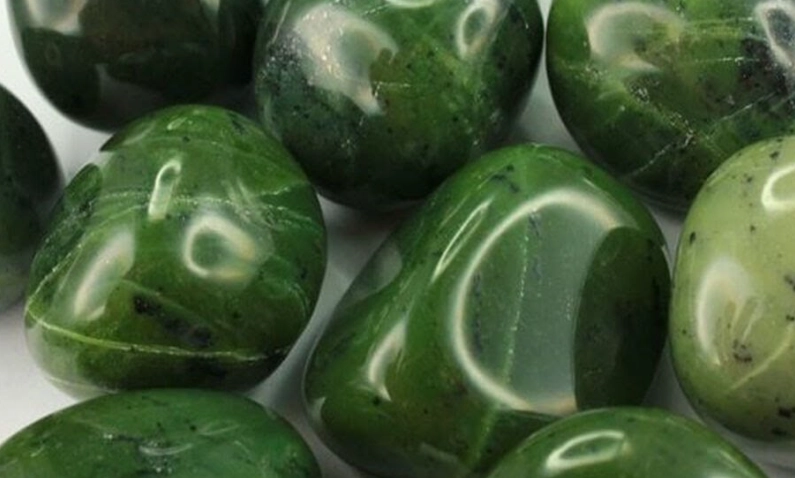
How to Use Jade Stone for Maximum Benefit
Owning jade is one thing. Integrating it is another. Throwing it in a drawer does nothing. Here are methods that work, based on intention and practicality.
Jade in Your Personal Space & On Your Body
Wear It: This is the most direct method. Skin contact matters. A simple pendant resting near your heart center, a bracelet on your wrist, or even a small stone in your pocket keeps its energy in your field. My daily driver is a small, unpolished nephrite worry stone. Its texture gives me something to focus on during stressful calls.
Sleep with It: Place a piece under your pillow or on your nightstand. The lore says it promotes peaceful dreams and wise solutions appearing in sleep. Personally, I've found it doesn't magically solve problems, but I do wake up feeling less frazzled about them. A green or white stone works best here.
Meditation Anchor: Hold a palm stone during meditation. Focus on its cool, dense weight. This isn't mystical; it gives your mind a physical anchor to prevent wandering, making your practice deeper.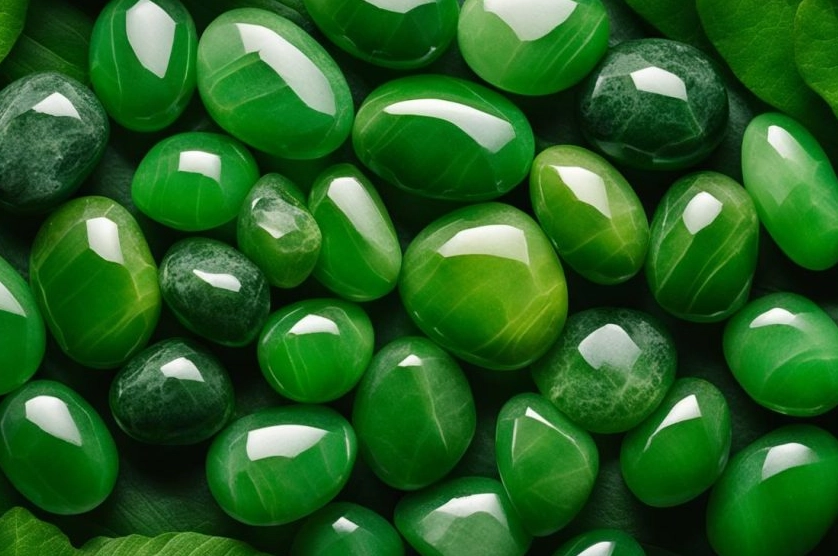
Jade for Your Home: Feng Shui Essentials
This is where jade stone feng shui comes alive. It's about strategic placement, not clutter.
The Wealth Corner (Southeast): Place a healthy, vibrant green jade plant (Crassula ovata) or a fine jade sculpture here to encourage the flow of prosperity energy. A bowl of tumbled green jade stones works too.
The Health & Family Area (East): A larger jade piece here promotes harmony and physical well-being for the household.
Protection at the Door: A piece of black or dark green jade near the front door is believed to filter out negative energy entering your home. Think of it as an energetic welcome mat that shakes off the day's grime.
One common mistake? Putting a tiny chip of jade in a huge room and expecting a shift. The scale should feel intentional. A good-sized piece for a table is a fist-sized stone or a meaningful figurine.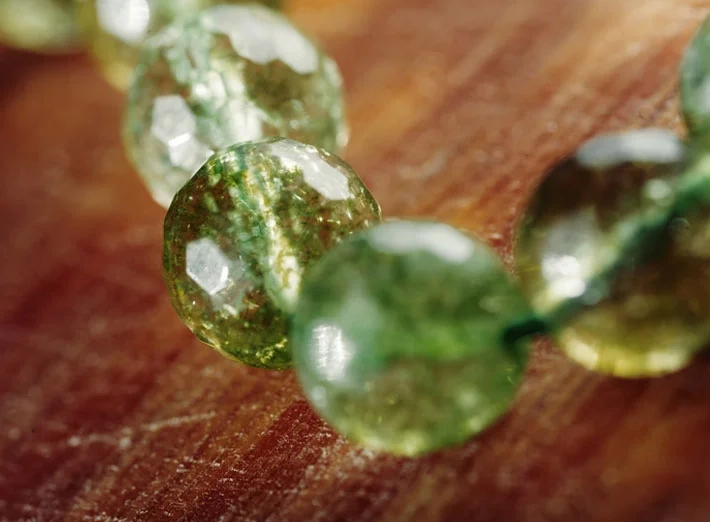
Buying Jade: A No-Nonsense Guide to Avoid Fakes
This is critical. The market is flooded with dyed quartz, glass, and serpentine sold as "jade." Buying fake jade isn't just a waste of money; it won't carry the same properties or value. Here's how to navigate it like a pro.
Know the Terms: "Jade" refers to two distinct minerals: nephrite and jadeite. Nephrite is more common, often in creamy greens, whites, and browns, and is the traditional Chinese jade. Jadeite is rarer, comes in brighter greens (like Imperial Jade), lavenders, and reds, and is harder. Both are real jade. Ask the seller which one it is. If they don't know, be wary.
The Touch Test: Real jade feels denser and colder than glass or plastic. Hold it. It should take a moment to warm up in your hand. Glass heats up almost instantly.
Look for Texture: Nephrite often has a fibrous, "sugary" or interlocking crystal structure visible under a loupe. Perfectly smooth, flawless, and cheap "jade" is usually glass. Jadeite can be more translucent.
Beware of Bargains: A large, vividly green "jade" bracelet for $20 is absolutely fake. Real jade, even of modest quality, has value due to its workability and cultural weight. Check out the gemological resources from the Gemological Institute of America (GIA) to educate your eye.
Start small. Buy a few inexpensive, certified tumbled stones from a reputable dealer. Get to know how real jade feels and looks before investing in a major piece.
Jade Care & Maintenance: Keep Your Stone Working
Think of jade as a tool. Tools need cleaning and occasional sharpening.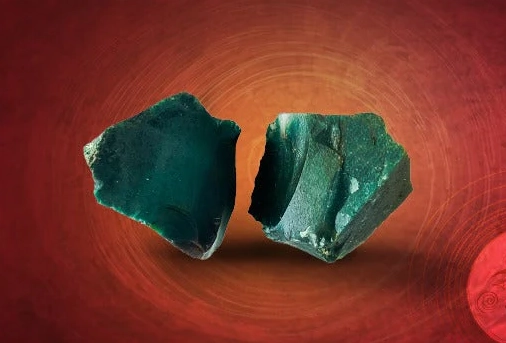
Cleansing (Energetic Reset): If your stone feels heavy, dull, or you've been through a tough time while wearing it, cleanse it. Running it under lukewarm water (not hot!) for a minute is simple and effective. You can also leave it on a windowsill during a full moon, or bury it in dry brown rice overnight. Avoid salt, which can damage the surface.
Charging (Energetic Boost): Place it in morning sunlight for 15-20 minutes. Not hours—prolonged sun can fade some colors. Moonlight is gentler and great for intuitive stones like lavender jade.
Physical Care: Jade is tough but not indestructible. Clean it with mild soap, water, and a soft cloth. Store it separately to avoid scratches from harder gems. Don't use ultrasonic or steam cleaners.
Your Jade Questions, Answered
Related Articles
Define Onyx: Properties, Uses, and How to Identify Real Onyx
Lapis Lazuli Benefits for Women: Spiritual, Emotional & Physical Healing
Orange Sapphire Names: A Complete Guide to Padparadscha and Other Varieties
Mookite Stone Guide: Pros, Cons, Costs & Comparisons for Your Home
Blue Crystals Guide: Meanings, Uses & How to Choose the Right One