You pick up a crystal at a shop. It's pretty, but is it real? I've been collecting for over a decade, and let me tell you, crystal identification isn't just about looks—it's a skill that saves you money and heartache. This guide cuts through the fluff. We'll dive into methods that work, common traps, and how to spot fakes from across the room.
What You'll Learn in This Guide
- Why Crystal Identification Matters More Than You Think
- Essential Tools for Crystal Identification
- Step-by-Step Guide to Identifying Crystals
- Common Crystal Types and How to Spot Them
- Case Study: Identifying a Mysterious Crystal from a Flea Market
- Top Mistakes Beginners Make in Crystal Identification
- FAQ: Your Crystal Identification Questions Answered
Why Crystal Identification Matters More Than You Think
It's not just for collectors. If you're into crystal healing or decor, knowing what you have ensures you're not wasting energy on a piece of dyed glass. I once bought a "rose quartz" that turned out to be plastic—it felt off, literally. Identification builds confidence. You'll avoid overpaying at markets where sellers often mislabel stones. Plus, it connects you to the mineral's properties. Real amethyst has a calming vibe; fake stuff just sits there.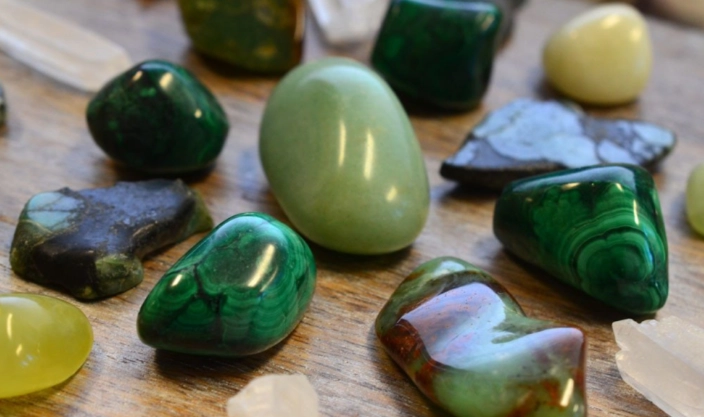
Think about safety too. Some crystals, like malachite, can be toxic if mishandled. Proper ID keeps you safe.
Essential Tools for Crystal Identification
You don't need a lab. Start with basics, then upgrade if you get serious.
Basic Tools You Already Have
Your eyes are the first tool. A good light source matters—daylight is best. A magnifying loupe (10x works) helps see details. I use a cheap one from a hardware store. A streak plate? Unlikely. But a unglazed ceramic tile from a DIY shop does the trick for streak tests. A small scale for weight, and a ruler for size. That's it.
Advanced Equipment for Serious Collectors
If you're diving deep, consider a Mohs hardness kit. It's a set of picks to test scratch resistance. A specific gravity kit measures density—helpful for telling similar stones apart. UV light can reveal fluorescence in some crystals like fluorite. But honestly, I've identified hundreds without these. They're nice, not necessary.
Pro tip: Always carry a magnet. Some fake crystals are made with metallic fillers that attract magnets—a quick test I learned after buying a "hematite" that stuck to my fridge.
Step-by-Step Guide to Identifying Crystals
Follow this process. Don't skip steps.
Visual Inspection: Color, Clarity, and Structure
Look at the color. Is it even or patchy? Natural crystals often have variations. Synthetic ones like lab-grown quartz are too uniform. Check for inclusions—tiny bubbles, cracks, or other minerals inside. Real crystals have them; glass fakes might have swirls or bubbles too, but they look different. Glass bubbles are round and sparse. Crystal inclusions are irregular.
Examine the crystal structure. Does it have natural facets or is it tumbled? Tumbled stones are harder, but look for wear patterns. Real tumbled crystals have minor imperfections; fake ones are often too smooth.
Physical Tests: Hardness and Specific Gravity
Hardness test: Use the Mohs scale. Try scratching the crystal with a steel nail (hardness 5.5). If it scratches easily, it might be calcite (hardness 3). If not, it could be quartz (hardness 7). Be gentle—don't ruin a specimen.
Specific gravity: Weigh the crystal in air, then in water (use a string). Calculate the ratio. Quartz is around 2.65; glass is about 2.4. It's a reliable test, but messy. I only do it for doubtful pieces.
Streak test: Rub the crystal on a tile. The color of the powder can ID it. Hematite gives a red streak, pyrite a black one. But this damages the crystal, so use on rough pieces only.
Common Crystal Types and How to Spot Them
Here's a quick reference. I've seen these mislabeled all the time.
| Crystal | Key Identifying Features | Common Fakes |
|---|---|---|
| Quartz (Clear) | Glass-like clarity, conchoidal fracture (breaks like glass), hardness 7 | Glass—softer, warmer to touch |
| Amethyst | Purple color zoning (lighter and darker patches), hexagonal crystals | Dyed quartz or glass—color too even |
| Rose Quartz | Cloudy pink, often with milky inclusions, rarely transparent | Plastic or dyed stone—feels light, scratches easily |
| Obsidian | Volcanic glass, sharp edges, conchoidal fracture, often black | Painted glass—lacks the natural sheen |
| Turquoise | Opaque blue-green with matrix (web-like patterns), porous | Dyed howlite or plastic—matrix too uniform |
Notice how fakes often lack natural imperfections. That's your clue.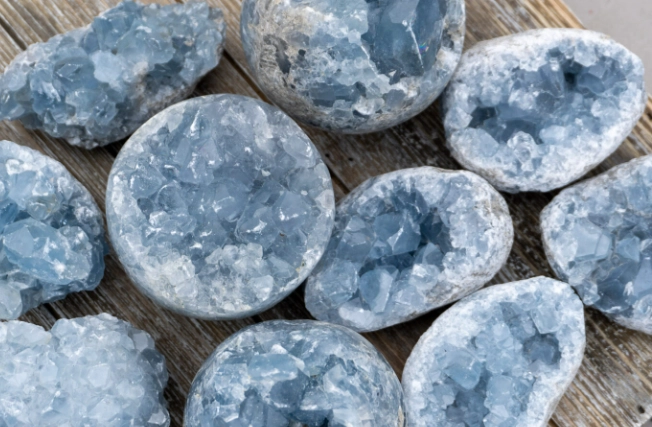
Case Study: Identifying a Mysterious Crystal from a Flea Market
Last year, I found a green, translucent stone at a flea market. Seller called it "jade," wanted $50. Here's how I figured it out.
First, visual check. It was too shiny for nephrite jade, which is waxy. Under my loupe, I saw bubbles—tiny, round ones. Jade doesn't have bubbles; glass does. Hardness test: a steel nail didn't scratch it. Jade is around 6.5, so that matched, but the bubbles were a red flag.
Weight test: It felt lighter than my known jade piece. I did a specific gravity test at home—came out to 2.4, typical for glass. Conclusion: it was green glass, probably from a bottle. I passed on it. The seller wasn't happy, but that's how you learn.
This scenario happens often. Trust your tools, not the label.
Top Mistakes Beginners Make in Crystal Identification
I've mentored new collectors, and these errors pop up repeatedly.
- Relying solely on color: Color is the least reliable factor. Many crystals come in multiple hues, and dyes are common. For example, blue aventurine is often dyed quartz.
- Not checking under different light: As mentioned in the FAQ, store lighting tricks you. Always examine in natural light.
- Skipping the weight test: Glass and plastic feel lighter. Heft the crystal in your hand. Compare it to a known sample if possible.
- Assuming all inclusions are natural: Some fakes add inclusions to look real. But they're often too symmetrical. Learn from resources like Mindat.org, a trusted mineral database.
- Ignoring temperature: Crystals feel cool to the touch; plastic warms up quickly. It's a simple test many forget.
My advice: slow down. Identification isn't a race. Take notes, compare, and when in doubt, ask experts online forums—but provide clear photos.
FAQ: Your Crystal Identification Questions Answered
Remember, crystal identification is a journey. Start with the basics, practice on known samples, and don't be afraid to make mistakes—I still do. Over time, you'll develop an eye for details that machines miss. Happy hunting!
Related Articles
Labradorite: The Complete Guide to Healing, Uses, and Buying Tips
The Ultimate Guide to Onyx Meaning: Protection, Power & Balance

Physical Symptoms of Root Chakra Opening: A Complete Guide & How to Cope
Orange Sapphire Benefits: Why This Gemstone is a Must-Have
Unlock the Magic: The Real Benefits of Moonstone Explained