If you're searching for the most powerful blue crystal, you've likely been overwhelmed by choices. Blue sapphire, celestite, aquamarine, azurite—the list goes on. But after over a decade of working with minerals and guiding others, I can tell you the title belongs, without a doubt, to Lapis Lazuli. Its power isn't just about one thing; it's a profound, multi-layered force for spiritual awakening, mental clarity, and deep emotional healing. This isn't just a pretty stone; it's a historical cornerstone of power and wisdom used by pharaohs and artists alike. Let's cut through the noise and explore why Lapis stands alone at the top.
Your Quick Guide to Lapis Lazuli
Why Lapis Lazuli is Considered the King of Blue Crystals
Calling any crystal "the most powerful" feels bold, but with Lapis, it's justified. Its power comes from a unique convergence of factors you won't find in other stones.
First, its composition. Genuine Lapis isn't a single mineral. It's a rock, primarily composed of Lazurite (which gives it that iconic ultramarine blue), along with Calcite (white veins) and Pyrite (golden flecks). This trio works in synergy. The Lazurite opens the mind to higher wisdom, the Calcite helps communicate that wisdom clearly, and the Pyrite brings in the energy of manifestation and wealth. It's a self-contained system.
Second, its historical and cultural weight. This isn't a new-age fad. Lapis was treasured in ancient Mesopotamia, Egypt, Greece, and Rome. Egyptian pharaohs used powdered Lapis as eyeshadow and carved it into scarabs for burial rites, believing it offered protection in the afterlife. Renaissance painters ground it into the priceless pigment ultramarine, reserved for the robes of the Virgin Mary. That legacy of sacred and artistic power is embedded in the stone.
Most modern crystal guides miss a crucial point: Lapis's power is confrontational. It doesn't just soothe you. It forces you to see your own truth, your self-imposed limitations, and the patterns of dishonesty—whether with others or yourself. That's why beginners sometimes feel uneasy with it. It's a mirror, not a blanket.
A Stone of History and Multifaceted Properties
Let's break down what this power actually means for you. It's not vague "good vibes"; it's specific, actionable energy.
Spiritual and Psychological Power: The Third Eye Activator
Lapis is the ultimate stone for the third eye chakra (Ajna). Its primary action is enhancing self-awareness and piercing through illusion. If you feel stuck in mental fog, repetitive thoughts, or indecision, Lapis acts like a laser. It promotes intellectual ability, stimulates the desire for knowledge, and aids in understanding complex information.
I've seen clients use it during study sessions or before important strategic meetings. One software engineer kept a small tumble stone on his desk and reported it helped him debug complex code by seeing the "bigger architectural picture" rather than getting lost in line-by-line errors.
Emotional and Physical Connections
Emotionally, Lapis is linked to truth and harmony. It encourages honesty in communication, helping you speak your truth with confidence and clarity. It's excellent for overcoming social anxiety rooted in a fear of being judged.
On a physical level, traditional lore associates Lapis with soothing inflammation and supporting the respiratory and nervous systems. It's often used by healers to relieve migraines, especially those related to tension or mental overload. Important: This is complementary support, not a replacement for medical advice.
Expert Insight: A common mistake is using Lapis right before bed for "spiritual dreams." For many people, its intensely activating energy can lead to vivid, sometimes chaotic dreams or even insomnia. If you're sensitive, use it during the day for mental work and switch to a calmer stone like Blue Calcite or Howlite for sleep.
How to Choose and Use Real Lapis Lazuli (Avoiding Fakes)
Here's where your journey can go wrong. The market is flooded with imitations. Howlite or magnesite dyed blue, synthetic materials, or cheap "Swiss Lapis" (which is often just jasper). A fake stone won't carry the energetic legacy or mineral complexity.
| Feature to Check | Genuine Lapis Lazuli | Common Fake/Imitation |
|---|---|---|
| Color | Deep, royal blue to violet-blue. Can be uneven. Not neon or sky blue. | Uniform, often too bright or artificial-looking blue. |
| Pyrite Flecks | Randomly distributed, brassy yellow, crystalline. Not perfectly round. | Painted-on gold spots, perfectly circular, or missing entirely. |
| White Calcite Veins | Natural, web-like, integrated into the stone. | Absent, or looks like painted cracks. |
| The Scratch Test (Gentle!) | Moderately hard (5-6 on Mohs scale). A steel knife won't easily scratch it. | Dyed Howlite is much softer (around 3.5). A pin or knife may leave a mark and reveal white underneath. |
| Price Point | Higher quality, intense blue with little calcite commands a premium. Be wary of dirt-cheap "Lapis." | Suspiciously low price for a large piece. |
The best commercial-quality Lapis historically comes from the Sar-e-Sang mines in Afghanistan's Badakhshan province. Chilean Lapis tends to have more visible white calcite. Neither is inherently "better" energetically; it's about your connection to the piece.
Practical Ways to Use Your Lapis
As Jewelry: A pendant worn near the throat or chest promotes truthful communication. A ring keeps its energy on your hands, aiding in manifesting your ideas into reality.
Meditation: Hold a piece in your hand or place it on your forehead (third eye). Focus on a question where you need deeper insight or clarity. Don't force answers; let the stone's energy quiet the mental chatter.
In Your Space: Place a sphere or large specimen on your desk or in your study area to enhance concentration and creativity. I have a raw chunk on my writing desk for this exact reason.
Cleansing and Charging: Avoid salt water and prolonged sunlight, which can damage its surface and fade the color. Instead, use sound (singing bowl), moonlight, smudging with sage, or placing it on a bed of clear quartz or selenite.
Other Notable Blue Crystals and Their Specific Roles
While Lapis is the most powerful all-rounder, other blue crystals excel in specific areas. Think of them as specialists in a team where Lapis is the CEO.
- Blue Sapphire: The stone of discipline, focus, and manifesting ambition. Less about spiritual insight, more about worldly success and mental precision. A powerful ally for executives and students.
- Aquamarine: The serene communicator and stress-reliever. Excellent for calming fear, especially of speaking publicly or traveling over water. It's like a gentle, cooling wave compared to Lapis's deep dive.
- Angelite (Blue Anhydrite): A soft, gentle stone for connecting with angelic guides and fostering peaceful communication. Its energy is much lighter and more diffuse than Lapis.
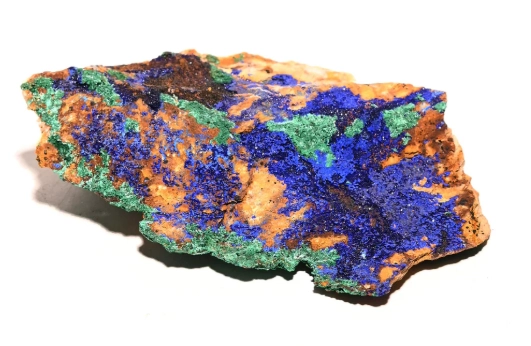
- Azurite: A profound psychic and visionary stone. It can access deeper subconscious blocks than almost any other stone but can be emotionally intense and fragile (it's quite soft). Best used by experienced practitioners.
- Sodalite: Often called "the poor man's Lapis," it's a fantastic logic and rationality booster. Great for group harmony, academic study, and calming emotional panic. It lacks the Pyrite and the deep historical "weight" of Lapis.
My personal take? Sodalite is a wonderful daily workhorse. But when you need a transformative, paradigm-shifting insight, nothing reaches the depth of a genuine piece of Lapis Lazuli.
Your Lapis Lazuli Questions Answered
The quest for the most powerful blue crystal leads you to Lapis Lazuli not because it's the only good one, but because it's the most complete. It challenges, enlightens, and empowers across all levels of being. Its rich blue, streaked with gold and white, is a map of its purpose: connecting the divine (blue) with earthly manifestation (gold) through clear communication (white). Start with a small, genuine piece. Build a relationship with it. Let it show you what real crystal power feels like.
For further scientific reading on its mineral composition, resources from the Gemological Institute of America (GIA) are authoritative.
Related Articles
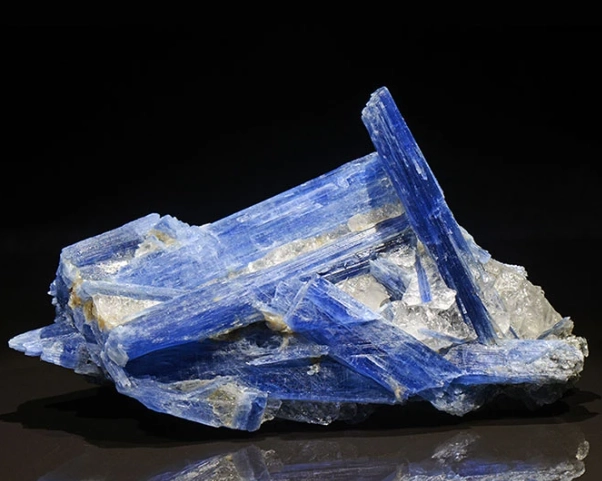
Why Blue Kyanite Costs So Much: The Real Reasons
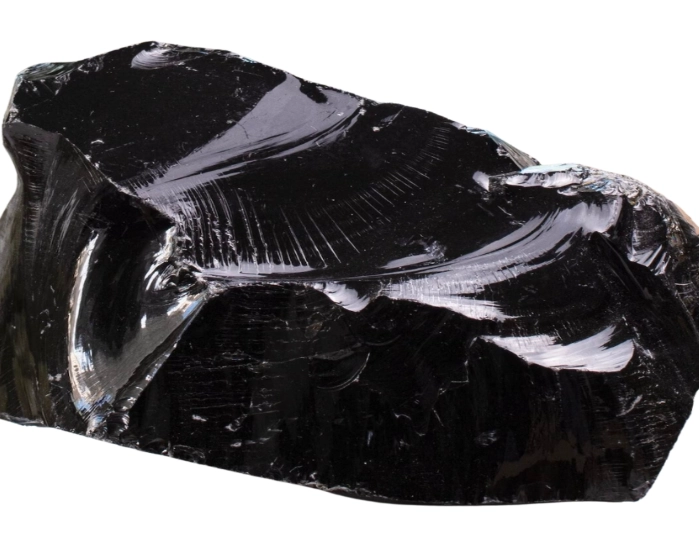
Black Obsidian Guide: Healing, Protection & How to Use It
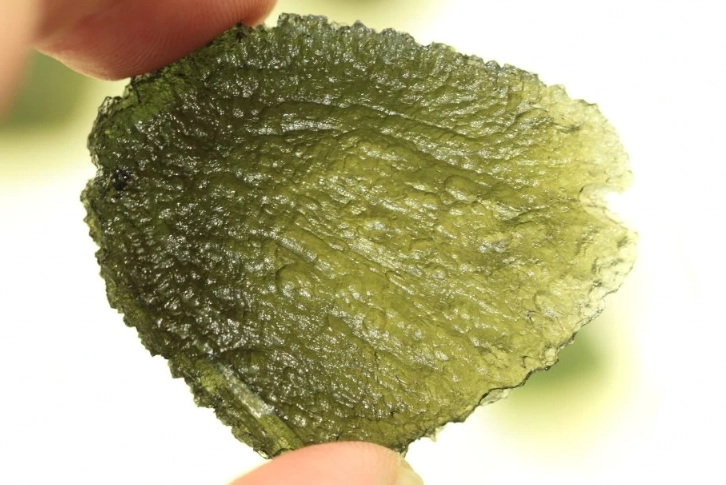
Moldavite Crystal Benefits: Spiritual Transformation and Healing Guide
Azurite Crystal Properties: A Complete Guide to Meaning, Uses & Benefits
Dalmatian Jasper: Meanings, Healing Uses & How to Spot Fakes