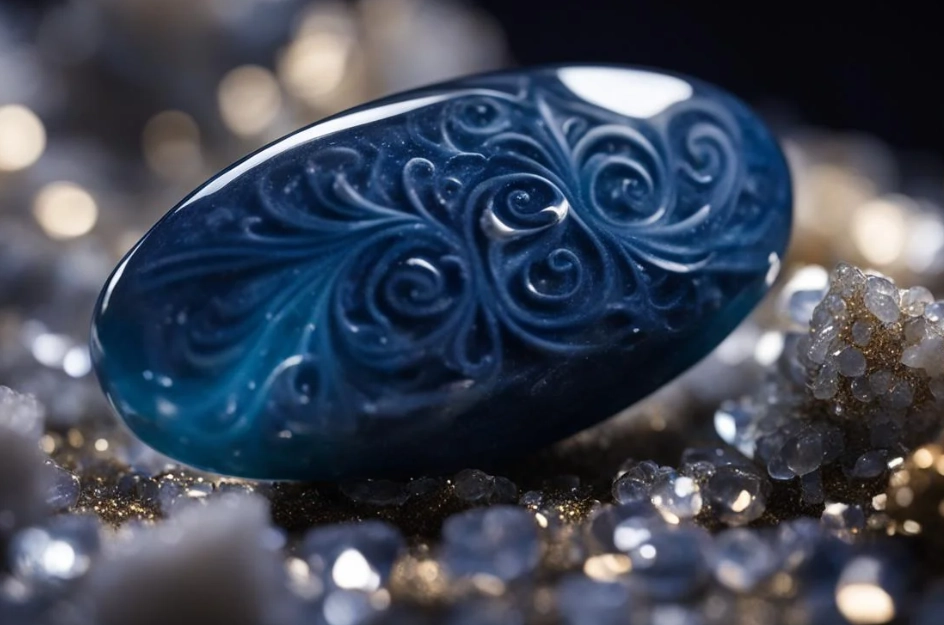
You see a flash of blue in a shop window or on someone's wrist. It catches your eye, feels calming, maybe even a bit mysterious. That's the pull of blue crystals. But what are crystals that are blue, really? Beyond just being pretty stones, each one has a unique story, a specific geological makeup, and a set of properties that people have valued for centuries. This isn't about vague magic; it's about understanding the tangible and intangible qualities of these gems, from the deep wisdom of Lapis Lazuli to the soothing clarity of Aquamarine. Let's cut through the noise and get into the real details.
Your Blue Crystal Journey Starts Here
The Major Blue Crystals: A Detailed Breakdown
Not all blue crystals are created equal. The color can come from different trace elements like iron, titanium, or copper, and the crystal structure determines its hardness and how it should be handled. Here’s a deep dive into the ones you're most likely to encounter and why they matter.
| Crystal Name | Key Color & Features | Mohs Hardness | Common Sources & Price Point* | Associated Meanings & Uses |
|---|---|---|---|---|
| Sapphire | Deep cornflower blue to violet-blue. Often transparent. | 9 | Kashmir (India), Sri Lanka, Madagascar. High for gem quality. | Wisdom, truth, protection. A classic for engagement rings and heirloom pieces. |
| Lapis Lazuli | Deep azure with golden pyrite flecks. Opaque. | 5-5.5 | Afghanistan (finest quality), Chile. Moderate. | Self-awareness, truth, communication. Used by ancient Egyptians for amulets and pigments. |
| Aquamarine | Pale blue to blue-green of seawater. Transparent. | 7.5-8 | Brazil, Pakistan, Nigeria. Moderate to High. | Calm, courage, clear communication. A sailor's traditional talisman. |
| Blue Lace Agate | Bands of light blue and white. Opaque. | 6.5-7 | Namibia, South Africa. Low to Moderate. | Gentle calm, soothing anxiety, peaceful expression. Great for nervous speakers. |
| Sodalite | Royal blue with white calcite veins. Opaque. | 5.5-6 | Canada, Brazil, Namibia. Low. | Logic, rationality, group harmony. Called the "poet's stone." |
| Angelite | Soft, pale celestial blue. Opaque and fragile. | 3.5 | Peru. Low. | Angel connection, gentle peace, compassion. A recent discovery (1980s). |
| Kyanite | Blade-like crystals in shades of blue. Often striated. | 4.5-5 (varies with direction) | Brazil, Nepal, USA. Low to Moderate. | Alignment, dream recall, does not retain negative energy (a unique trait). |
*Price depends heavily on quality, size, and cut. 'Low' means readily affordable as tumbles or small pieces.
A Quick Tip from a Longtime Collector: Don't get hung up on finding the "perfect" color. A lighter, more affordable aquamarine can be just as meaningful as a deep, expensive one. Sometimes the stone that looks a bit imperfect chooses you. I have a sodalite sphere with a huge white vein right through the middle—it's my favorite because it was the first one I ever bought.
Blue Quartz Varieties: More Than Meets the Eye
Quartz is a huge family, and its blue members are often misunderstood. Dumortierite Quartz is a quartz stone with dense inclusions of dumortierite, giving it a solid, denim-like blue color. It's fantastic for organization and defeating procrastination—I keep a piece on my desk. Then there's Blue Aventurine, a quartzite with shimmering inclusions (usually fuchsite or ilmenite). It's a stone of opportunity and optimism, but be warned: much of what's sold as blue aventurine is actually dyed quartz glass. The real thing is rarer and has a more subtle sparkle.
How to Choose Your First Blue Crystal?
Walking into a crystal shop can be overwhelming. Here’s a non-mystical, practical way to pick one.
First, identify your need. Are you looking for stress relief (Blue Lace Agate), better communication (Sodalite), or a sense of protection (Sapphire)? Match the stone's traditional associations to your goal.
Second, consider durability. If you want a ring or a bracelet you'll wear daily, hardness matters. Sapphire (9) or Aquamarine (7.5-8) are excellent. Angelite (3.5) is too soft and will scratch easily—it's better as a display piece or for gentle meditation.
Third, trust your gut reaction. Look at them. Which shade of blue are you drawn to? Pick it up. Does it feel cool, warm, heavy, light? There's no wrong answer here. The one you keep looking at is probably the one to start with.
Practical Uses: Beyond Just Looking Pretty
Okay, you have a blue crystal. Now what? Integrate it into your life in simple, tangible ways.
- On Your Desk: Place a Dumortierite Quartz or Sodalite near your computer. Use it as a physical reminder to stay focused and logical during work. When you feel scattered, hold it for a minute to reground.
- For Sleep: Tuck a piece of Blue Lace Agate or a small Aquamarine under your pillow. The idea isn't magical; it's about setting an intention for calm before sleep. The stone becomes a tactile cue for your brain to wind down.
- As Communication Aid: Before a difficult conversation or presentation, hold a Lapis Lazuli or Aquamarine tumble in your pocket. Rub it discreetly. It acts as a grounding anchor, helping to steady nerves and organize thoughts.
- In Your Environment: A large, raw piece of blue crystal like Sodalite or Lapis makes a stunning bookend or centerpiece. It brings a cool, calming visual element to a room. I have a chunk of raw Lapis on my bookshelf, and guests always ask about it.
How to Clean and Care for Blue Crystals
This is where beginners mess up. You can't clean all crystals the same way.
Water Safe: Aquamarine, Sapphire, and Blue Quartz varieties are generally safe under running water. A quick rinse is fine.
Avoid Water: This is crucial. Never submerge Lapis Lazuli, Sodalite, or Angelite. They are porous or contain minerals (like pyrite in Lapis) that can rust or degrade. I learned this the hard way with a Sodalite sphere that developed dull white spots.
Universal Safe Methods: For all blue stones, you can:
- Smudge with sage or palo santo smoke.
- Place them on a bed of dry sea salt (not touching the salt).
- Leave them in moonlight, especially during a full moon.
- Bury them in dry earth for a day.
Your Blue Crystal Questions Answered
Which blue crystal is best for anxiety and stress?
For immediate, gentle soothing, Blue Lace Agate is the top recommendation. Its energy is soft and calming, like a visual deep breath. For anxiety tied to overthinking, Sodalite helps bring logic to chaotic thoughts. Keep a palm stone in your pocket or at your workstation.
How can I tell if a blue crystal is real or dyed?
Check for uneven color concentration. Dyed stones often have color pooled in cracks or veins (look at the cracks in howlite dyed to mimic turquoise). Real stones have more consistent, inherent color. For transparency, look for natural inclusions—flaws are a sign of authenticity. When in doubt, buy from reputable dealers who disclose treatments. The Gemological Institute of America (GIA) website is an excellent resource for learning about natural gemstone characteristics.
Can I wear multiple blue crystals together?
Absolutely, but think about the combination. Pairing a stimulating stone with a calming one can create balance. For example, wear Lapis Lazuli (for deep truth) with Aquamarine (for calm expression) if you're working on honest but kind communication. Just avoid wearing a full rainbow bracelet if your goal is specific focus—the energies can feel jumbled.
What's the biggest mistake people make with blue crystals?
Treating them as a passive fix. A crystal on your shelf won't change your life. The real value comes from interacting with it. Hold it during meditation, set an intention with it, use it as a prompt for journaling. The stone is a tool for focusing your own mind and intention, not a magic wand.
Are there any blue crystals to avoid?
Avoid isn't the right word, but be cautious with very soft stones like Angelite if you plan on handling them often. They will scratch and damage. Also, be aware that some people find the energy of Kyanite very strong and direct—it's better for specific, intentional work than for casual, all-day wear if you're sensitive.
Related Articles
Why is Tiger's Eye So Powerful? Unlocking Its Mystical & Scientific Secrets
Unlock Your Potential: The Ultimate Moonstone Guide for Men
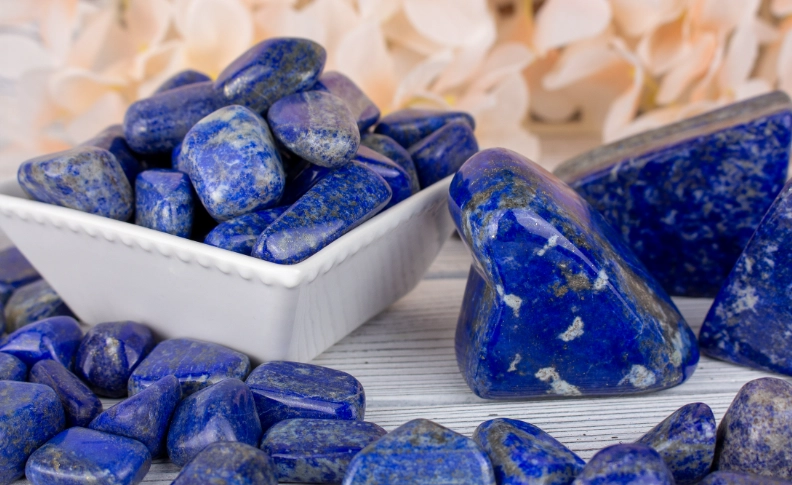
Lapis Lazuli: Complete Guide to Its Properties, Uses & Value
Selenite Crystal Meaning: Spiritual Uses, Healing & How to Avoid Fakes

The four giants of the wafer are all unable to withstand it!