What's in This Guide?
- What Even Is Black Onyx, and Why Does It Matter?
- The Core Answer: Specific Groups Who Should Think Twice
- A Quick-Reference Table: Who Might Want to Avoid Black Onyx
- But What About Zodiac Signs or Birthstones?
- How to Safely Test If Black Onyx Is For You
- Frequently Asked Questions (The Stuff People Really Want to Know)
- Final Thoughts: It's About You, Not the Stone
So you're thinking about getting a black onyx piece. It looks stunning, right? All that deep, glossy black. It feels solid, substantial in your hand. Everyone talks about its protective powers, its grounding energy. It's one of the most popular stones out there for a reason. But here's the thing nobody really wants to say at the crystal shop – black onyx isn't for everyone. It's a bit like that strong coffee some people thrive on and others just can't stomach.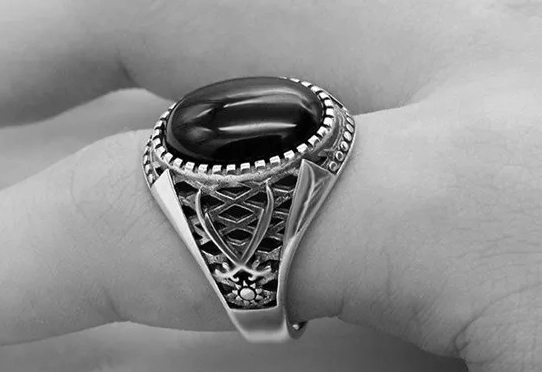
I've been into crystals for a long time, and I've seen it all. Friends who swear by their onyx bracelet, and others who took it off after a day saying it made them feel heavy, even a bit down. That's what made me dig deeper. This isn't about scaring you away from a beautiful gemstone. It's about being smart and listening to your own body and energy. Because the last thing you want is to wear something that's supposed to help you but ends up doing the opposite.
What Even Is Black Onyx, and Why Does It Matter?
Before we dive into who should avoid it, we need to understand what we're dealing with. Black onyx is a variety of chalcedony, which is itself a form of quartz. It's typically a banded stone, but the black variety is often solid-colored through treatment (a perfectly normal and accepted practice in the gem trade). Geologically, it's a silicate mineral. You can read more about its formation and properties on the Gemological Institute of America (GIA) page on onyx, which is a fantastic, no-nonsense resource.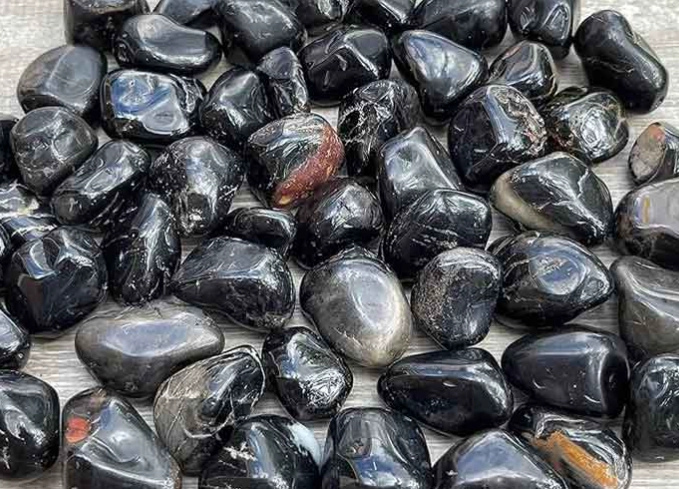
In metaphysical circles, and this is where the "who cannot wear" question gets really relevant, black onyx is considered a profoundly grounding and protective stone. It's associated with the root chakra. Its energy is often described as absorbing and transforming negativity, providing strength, and fostering emotional stability. It's seen as a stone of discipline and focus. But—and this is a big but—that very strength and absorptive quality is what makes it problematic for some people.
Think of it as an energy sponge. For someone feeling scattered or overly emotional, that sponge can be a lifesaver, soaking up the chaos. But for someone who is already low-energy, depressed, or extremely sensitive, that same sponge might feel like it's sucking away what little vitality they have left.
The Core Answer: Specific Groups Who Should Think Twice
Okay, let's get to the heart of it. Based on traditional crystal healing practices, energy work principles, and plain old anecdotal evidence from thousands of users, here are the groups of people for whom wearing black onyx might be a less-than-ideal choice.
People Prone to Depression or Low Energy States
This is the number one group that often gets mentioned. Black onyx's grounding energy is potent. Grounding is fantastic for pulling you out of anxiety or panic—it connects you to the earth, to the present moment. However, if you are already struggling with depression, lethargy, or a general lack of motivation, that super-grounding effect can sometimes feel... well, like you're being pinned down. Instead of lifting you up, it might reinforce the low, heavy feelings.
It's not that the stone "causes" depression. That's a misunderstanding. It's that its energetic signature might not be compatible with a depressive state. Imagine trying to start a car with a nearly dead battery by adding a heavy weight to it. You need a jump start (perhaps a citrine or carnelian), not more weight.
The Highly Sensitive Person (HSP) or Empath
This one is tricky and very personal. Many empaths and HSPs *love* black onyx for its protective, shielding qualities. It can help them feel less bombarded by external energies. But for a subset of super-sensitive individuals, the stone's dense energy can feel overwhelming or oppressive. Their systems are so finely tuned that the strong vibration of the onyx might register as a sort of constant, low hum that's more irritating than soothing.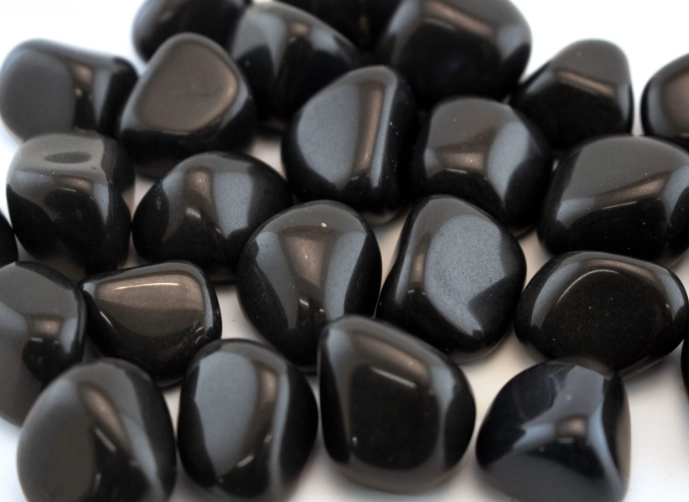
If you're highly sensitive, the only way to know is to test it cautiously. Don't commit to a necklace you wear all day, every day. Try a piece in your pocket for a few hours, or hold it during meditation. Pay attention. Do you feel safer and more contained, or do you feel closed in and dulled? Your body will give you the answer to the question of whether you are someone who cannot wear black onyx.
Individuals in a Period of Grief or Deep Emotional Vulnerability
When you're raw with grief, the instinct might be to seek the strongest protection possible. Black onyx might seem like the perfect shield. However, some energy workers advise against using strongly grounding stones during the initial, acute phase of loss. The theory is that grief needs to be felt and processed to move through it. A stone that is too effective at absorbing and "stabilizing" might inadvertently numb the necessary emotional process.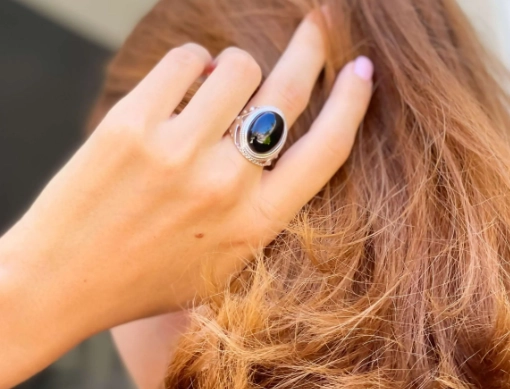
Again, this is highly individual. Some find great comfort in the solid, supportive feel of onyx during tough times. Others find it stifling. I'd suggest a gentler stone like blue lace agate or lepidolite during the hardest waves, and perhaps introducing black onyx later, when you need strength to rebuild.
Those with Certain Medical Conditions (The Practical Side)
Let's move away from energy for a second and talk pure practicality. Black onyx is a hard stone (Mohs 6.5-7), but it can be brittle. If you have a condition that causes tremors, weakness, or a high risk of falling, a large onyx ring or a heavy pendant might pose a physical risk if it were to be knocked or caught. More importantly, some people have skin sensitivities. While rare, the dyes or treatments used on some commercial onyx, or the metals in the setting, could cause a reaction.
Also, and I feel this needs to be said clearly: Never substitute a crystal for necessary medical care. Relying on black onyx to manage a serious health condition instead of seeing a doctor is dangerous and irresponsible.
A Quick-Reference Table: Who Might Want to Avoid Black Onyx
| Group / Situation | Potential Reason for Caution | Suggested Alternative to Try First |
|---|---|---|
| Currently experiencing depression or chronic fatigue | May amplify feelings of heaviness and lethargy. | Citrine, Carnelian, Sunstone |
| Highly sensitive individuals (subset) | Dense energy may feel oppressive or overwhelming. | Moonstone, Selenite, Amethyst |
| In acute, raw stages of grief | May numb the emotional processing that is necessary. | Rose Quartz, Blue Lace Agate, Lepidolite |
| Very young children | Choking hazard; energy may be too strong for delicate systems. | Amazonite, Howlite (in safe, non-jewelry forms) |
| Seeking primarily joyful, uplifting energy | Onyx is more about stability and protection than joy. | Clear Quartz, Yellow Apatite, Orange Calcite |
But What About Zodiac Signs or Birthstones?
You'll often see black onyx listed as a birthstone for Leo (or sometimes for February). In my opinion, this is where crystal lore gets fuzzy and less useful for the "who cannot wear" question. Astrological associations are traditional, but they shouldn't be a rigid rule book. A Leo who is feeling scattered and undisciplined might benefit hugely from black onyx. A Leo who is already feeling a bit deflated or criticized might not.
I think it's far more important to consider your current emotional and energetic landscape than your sun sign. Don't let an astrology book talk you into or out of a stone. Your own intuition is a better guide. If you're a Capricorn (another sign sometimes linked to onyx) and you put it on and feel drained, take it off! The stone doesn't care what month you were born in.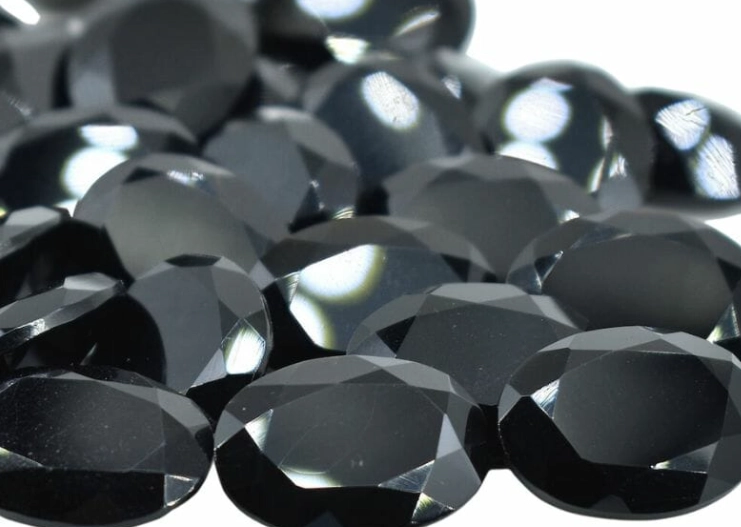
How to Safely Test If Black Onyx Is For You
You're not sure? Good. That means you're listening. Here's a safe, low-commitment way to figure it out.
- Start Small: Don't buy an expensive bracelet first. Get a small, raw or tumbled stone. It's cheaper and its energy is often less intense than a highly polished, faceted piece.
- The Pocket Test: Carry the stone in your pocket or purse for a day. Go about your normal business. Don't obsess over it. At the end of the day, check in. How do you feel compared to a normal day? More irritable? Unusually tired? Or more focused and calm?
- The Meditation Test: Sit quietly for 10 minutes with the stone in your non-dominant hand (your receiving hand). Just breathe. Notice any sensations, images, or shifts in your mood. Does a sense of strength and calm settle in, or does a feeling of dread or weight appear?
- The Night Test (Cautiously): If you're curious about its effect on sleep, place it near your bed, not under your pillow, for a night or two. See how you sleep and how you wake up.
If you get through these tests feeling good, then black onyx is probably a great ally for you. If you feel off, trust that. It might not be the right stone for you right now, or ever. And that's perfectly okay. The world of crystals is vast.
Frequently Asked Questions (The Stuff People Really Want to Know)
No, not in a supernatural sense. This is a common superstition that likely stems from its historical use in mourning jewelry in the Victorian era. The idea that it's "unlucky" is a cultural association, not an inherent property of the stone. However, if you are someone who cannot wear black onyx because its energy clashes with yours, you might feel unlucky or out of sorts while wearing it. That's a personal energetic mismatch, not the stone cursing you.
Not necessarily. A slight sense of calming relaxation is one thing. Profound fatigue or heaviness is another. Often, a stone that's truly working for you will bring a sense of balanced vitality, not drain you. If you feel exhausted, it's a strong sign the stone is not compatible with your current energy. It might be pulling you down too much. Listen to that feeling. It's your body's wisdom answering the question of who cannot wear black onyx for you, personally.
Physical dangers are minimal (allergies, choking hazards for kids). The main "danger" in the metaphysical sense is energetic. Wearing a stone with a very strong, grounding vibration when you need something light and uplifting could potentially worsen a low mood or make you feel stuck. It's like wearing a heavy winter coat in the summer—it's just the wrong tool for the climate you're in. The danger is in ignoring your own discomfort and pushing through because a book or website said the stone was "good for you."
Great question! If you love the idea of protection but black onyx feels too heavy, you have options:
- Smoky Quartz: A gentler, more uplifting grounding stone. It transforms negativity but often feels lighter than onyx.
- Tourmalinated Quartz: Offers protection with the added clearing power of tourmaline needles inside clear quartz. It's dynamic.
- Hematite: Very grounding and protective, but with a more magnetic, focusing energy. Some find it less "absorbent" than onyx.
- Obsidian (especially Snowflake or Mahogany): Black Obsidian is even more intense than onyx, but Snowflake or Mahogany Obsidian provide protection with a bit more softness and balance.
Final Thoughts: It's About You, Not the Stone
Look, the crystal community can be full of absolute statements. "This stone does this!" "Wear this for that!" The truth is messier and more beautiful. We are all different. Our energies change daily. A stone that was perfect for you last year during a stressful career move might feel awful this year when you're dealing with personal loss.
The question of who cannot wear black onyx doesn't have a one-size-fits-all answer. It has a series of guidelines, a table of potential red flags, and a strong encouragement to experiment safely. The most powerful tool in your crystal practice isn't the most expensive gem; it's your own mindful attention. Notice how you feel. Trust those subtle (or not-so-subtle) signals.
Black onyx is a powerful, beautiful, and supportive stone for millions. But it's not a universal panacea. If you try it and it sings to you, wear it in good health. If you try it and it feels like a lead weight, don't force it. Take it off. There's a whole world of other crystals out there waiting to be your perfect match. The goal is to feel better, not to prove you can handle the "toughest" stone. Choose what brings you balance, strength, and peace—whatever that looks like for you.
And honestly? Sometimes the answer is just to go without any stone at all for a while. Breathe the air, feel the sun, walk on the actual earth. That's the original grounding, and it's always available.
Related Articles

Why has the quality education reform not been successful in ten years? This is t
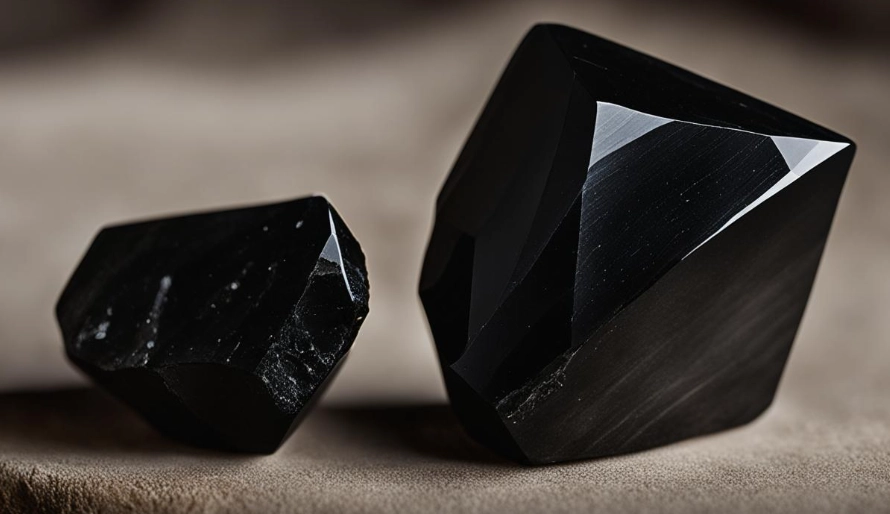
Black Tourmaline Benefits: Your Ultimate Guide to Protection & Grounding

The RISC-V ecosystem is about to explode, and the flat-headed brother enters the

Dismantle the Apple Watch, the cost is less than 700 yuan.
How Rare Is Green Jasper? A Complete Guide to Its Scarcity & Value