In This Guide
- What Exactly Is Blue Sodalite? Let's Get Geological
- The Deep Dive: Unpacking the Blue Sodalite Crystal Meaning
- A Quick Journey Through History and Culture
- Blue Sodalite Healing Properties: Mind, Body, and Spirit
- How to Actually Use Blue Sodalite in Your Life
- Blue Sodalite vs. Other Blue Stones: Don't Get Confused
- Answering Your Burning Questions (FAQs)
Hey there. So you've stumbled upon a beautiful blue stone, maybe in a shop or online, and you're wondering what all the fuss is about. That deep, celestial blue with those white veins running through it – it's captivating, isn't it? That's blue sodalite. And let me tell you, the blue sodalite crystal meaning goes way deeper than its stunning looks. People don't just buy it because it's pretty (though that's a big plus). They're drawn to it because it's often called the "stone of logic" or the "poet's stone." Sounds intriguing, right?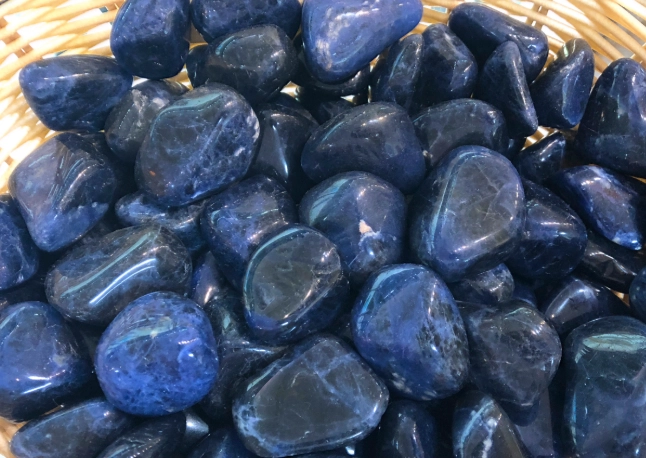
I remember the first time I held a piece. It felt cool and solid, but there was a subtle vibration, a quiet hum. I was skeptical, I'll be honest. I thought, "It's just a rock." But the more I learned and worked with it, the more I understood why it's been valued for centuries. This isn't about magical thinking; it's about energy, intention, and the subtle ways certain minerals can influence our mindset. If you're looking for a crystal to help you speak your truth, calm a busy mind, or tap into your intuition, you're in the right place. Let's break down everything you need to know.
Quick Take: At its core, the blue sodalite crystal meaning revolves around fostering rational thought, honest communication, and inner peace. It's like a wise, calm friend who helps you organize your thoughts before you speak.
What Exactly Is Blue Sodalite? Let's Get Geological
Before we dive into the metaphysical stuff, let's ground ourselves in what it actually is. Calling it a "crystal" is a bit of a simplification. Technically, sodalite is a mineral from the feldspathoid group. The blue variety we all love is actually a rock, not a single crystal. It's a mixture of several minerals, with the rich blue color coming from the sodalite mineral itself, and the classic white or gray veins usually being calcite.
It's found in several places around the world, with notable deposits in Brazil, Canada (Ontario is famous for it), Namibia, and Russia. The Canadian material is often considered some of the finest. It has a hardness of 5.5 to 6 on the Mohs scale, which means it's decently durable but can be scratched by harder materials like quartz. So, maybe don't toss it loose into a bag with your keys.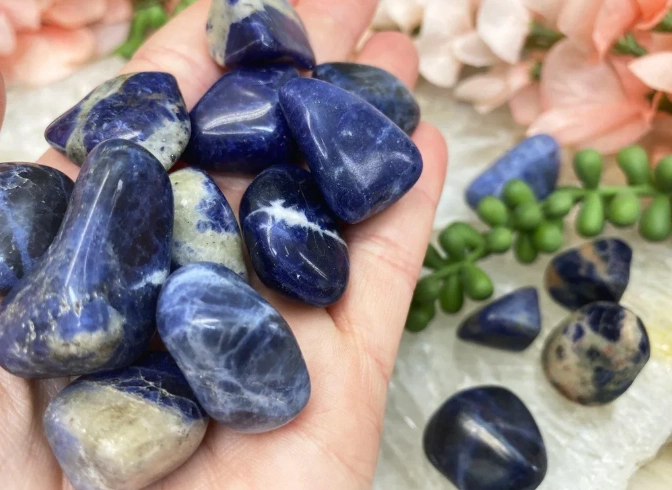
Chemically, it's a sodium aluminum silicate chloride. The chlorine content is part of what gives it its unique structure. If you're a science buff, you can dive into the detailed mineralogy on resources like Mindat.org, a fantastic and authoritative database for mineral information. It's a reliable place to verify the hard facts.
The Deep Dive: Unpacking the Blue Sodalite Crystal Meaning
Alright, here's where it gets interesting. Why has this particular blue stone garnered such a specific reputation? The meaning of blue sodalite is built on a few interconnected pillars.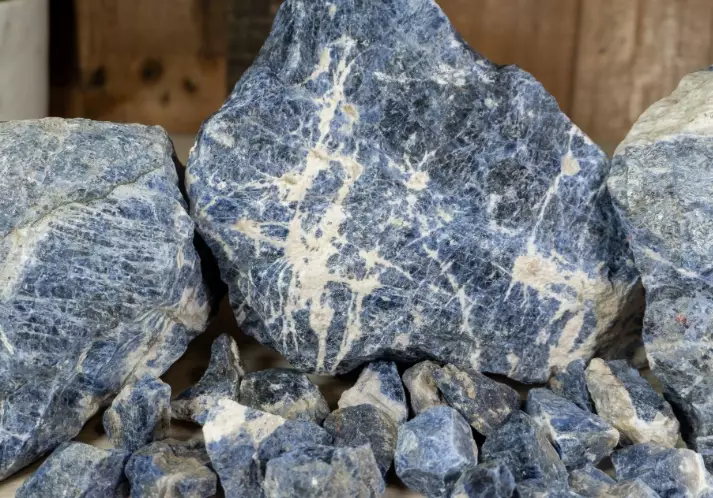
The Stone of Logic and Rationality
In a world full of emotional noise and misinformation, blue sodalite is said to be a champion of clear, logical thinking. It doesn't shut down your emotions, but it helps you process them rationally. Feeling overwhelmed by anxiety or fear? The energy associated with sodalite is believed to help you step back, analyze the situation without panic, and see the facts clearly. It's like a mental declutter tool. I've found it useful on my desk when I need to work through a complex problem or write something that requires clear structure.
The Champion of Authentic Communication
This is a huge part of its identity. Sodalite is strongly linked to the throat chakra, the energy center responsible for communication and self-expression. The blue sodalite crystal meaning here is about speaking your truth with clarity and confidence, but also with calmness and poise. It's not about being brutally honest in a hurtful way. It's about finding the right words to express your deepest thoughts and feelings without fear or hesitation. If you struggle with public speaking, difficult conversations, or just articulating what's in your heart, this is one of the go-to stones.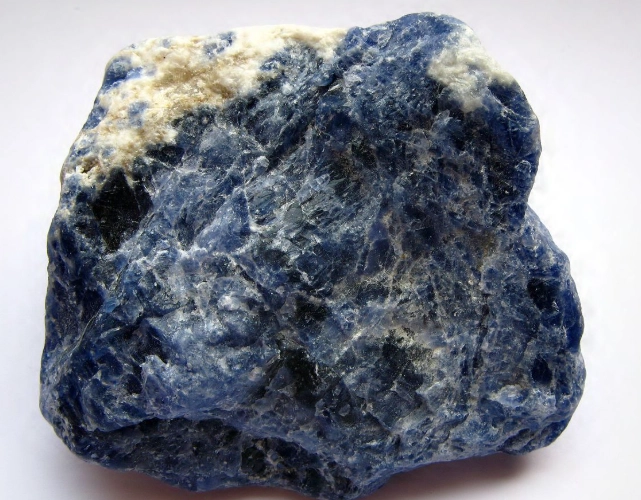
But here's a personal note of caution: I don't think it works like a magic pill. I've worn a sodalite pendant before a presentation hoping for a miracle, and I still felt the nerves. What it did do, however, was help me focus my preparation and remember my key points more calmly. The effect was subtle but noticeable.
I have a friend who is a therapist, and she keeps a small, tumbled piece of sodalite in her pocket during sessions. She says it doesn't make her clients talk more, but it helps her listen more deeply and formulate her responses with greater empathy and clarity. It's a tool for her, not a solution.
The Ally for Intuition and Insight
Now, this might seem to contradict the "logic" part, but it's actually a beautiful balance. Sodalite is also connected to the third eye chakra, the seat of intuition and inner vision. The meaning here is that it helps bridge the gap between logical thought and intuitive knowing. It encourages you to trust those gut feelings but also to examine them. It's said to enhance perception and help you see patterns and truths that aren't immediately obvious. For artists, writers, and anyone in a creative field, this aspect of the blue sodalite meaning is particularly appealing.
A Quick Journey Through History and Culture
Sodalite as a mineral group has been around forever, but the rich blue variety we call "blue sodalite" has a more modern discovery story. It was formally identified in Greenland in 1811. However, there's evidence that similar blue stones were used by ancient civilizations.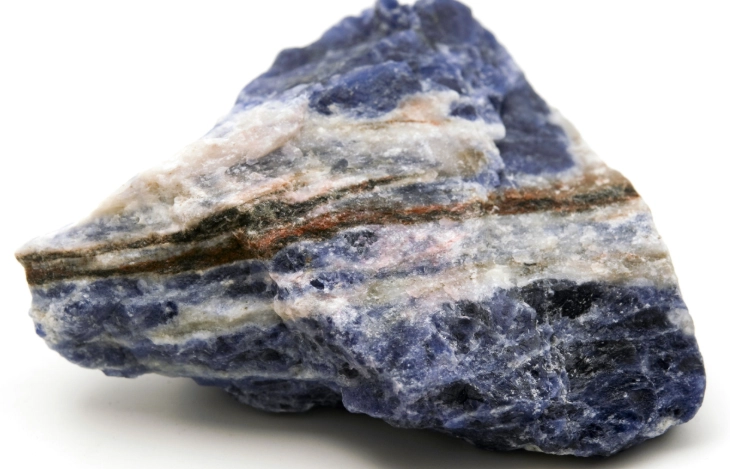
Some historians suggest the brilliant blue used in ancient Egyptian scarabs and ornaments might have been sodalite, though lapis lazuli was more common. The Inca and other pre-Columbian cultures in South America used blue minerals for ornaments and carvings, and it's possible sodalite was among them. Its modern popularity, especially in the West, really took off after large, beautiful deposits were found in Ontario, Canada, in the late 19th and early 20th centuries. It even became known as "Princess Blue" after Princess Margaret took a liking to it.
For a broader, academic look at the historical use of minerals in art and culture, institutions like the VU University Amsterdam's mineralogy pages or the Smithsonian Institution offer credible resources that place stones like sodalite in a wider context.
Blue Sodalite Healing Properties: Mind, Body, and Spirit
Let's talk about how people apply the blue sodalite crystal meaning in a practical, healing sense. Remember, this is part of complementary or alternative practice. It's not a replacement for medical advice, but a tool for overall well-being.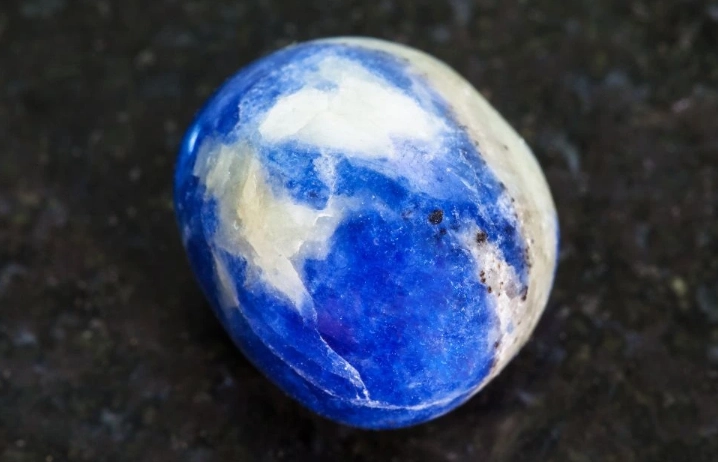
| Aspect | Believed Healing Properties & Uses | How You Might Feel/Use It |
|---|---|---|
| Emotional & Mental | Calms anxiety and panic. Reduces fear and guilt. Encourages self-esteem, self-acceptance, and trust in oneself. Breaks old mental patterns and dogmas. | Holding it during meditation to quiet mental chatter. Keeping it on your desk to combat work stress. Wearing it as jewelry to carry its calming energy throughout the day. |
| Spiritual | Stimulates the Third Eye and Throat Chakras. Enhances meditation and spiritual work. Promotes a desire for truth and knowledge on a soul level. | Placing it on your forehead (third eye) or throat during chakra-balancing sessions. Using it as a focus object to deepen meditative states. |
| Physical (Folklore & Tradition) | Often associated with balancing metabolism and aiding the immune system. Said to help with throat issues, vocal cords, and lymphatic system. Believed to regulate blood pressure and soothe inflammation. | Important: These are traditional beliefs. Always consult a doctor for physical ailments. The use here is purely energetic support, like holding a stone while focusing on wellness intentions. |
I want to be super clear about the physical claims. I've read a dozen lists that say sodalite "heals" this or that specific illness. That's a red flag for me. A crystal isn't medicine. The more reasonable perspective, and one I find more honest, is that by promoting emotional calm and reducing stress (which we know has real physical effects), stones like sodalite can contribute to a healthier overall environment in your body. It's an indirect support, not a direct cure.
Let's be real: If you have a sore throat, see a doctor and drink tea. Don't just rub a sodalite on your neck and hope for the best. Use the crystal for the energetic intention of clear communication and healing, alongside actual medical care.
How to Actually Use Blue Sodalite in Your Life
Knowing the blue sodalite crystal meaning is one thing. Applying it is another. Here are some down-to-earth ways to work with it.
1. As Jewelry (My Favorite Way)
Wearing it as a pendant keeps its energy close to your throat chakra all day. A bracelet or ring works too. It's a constant, subtle reminder to speak your truth and stay calm. Plus, it looks great with jeans or a nice dress.
2. In Your Meditation Space
Hold a tumbled stone in your hand or place a larger piece in front of you. Focus on its deep blue color. If you're meditating to find clarity on an issue, ask for its energy of logic and insight. Don't force it. Just let it be there.
3. On Your Desk or Workspace
This is a fantastic use. Place a piece where you can see it. When you feel scattered or overwhelmed, take a moment, pick it up, and take a few deep breaths. Let it be a physical anchor to bring you back to a state of focused thought.
4. For Sleep
Some people find its calming energy helps quiet a racing mind at bedtime. You can place a small piece under your pillow or on your nightstand. I've tried this. Results were mixed—sometimes I slept deeply, other times I didn't notice a difference. Your mileage may vary.
The key with any crystal is intention. It's not an automatic button. You have to engage with it. Hold it, look at it, set a purpose for it. The stone is a tool; you are the one using it.
How to Cleanse and Charge Your Sodalite
Think of crystals like sponges; they can pick up energies from their environment. Cleansing is like hitting a reset button. For sodalite:
- Running Water: A quick rinse under lukewarm tap water is fine. (Avoid salt water, as sodalite can be porous and salt can damage it over time).
- Smoke: Passing it through the smoke of sage, palo santo, or incense.
- Moonlight: Placing it on a windowsill overnight during a full moon is a gentle, popular method.
- Sound: Using a singing bowl or bell near it.
To charge it with a specific intention, hold it in your hands after cleansing, close your eyes, and clearly state what you'd like its energy to support (e.g., "I charge you with the energy of calm, clear communication").
Blue Sodalite vs. Other Blue Stones: Don't Get Confused
It's easy to mix up blue stones. Here’s a quick, honest comparison.
Blue Sodalite vs. Lapis Lazuli: This is the most common mix-up. Lapis is usually a richer, royal blue with brassy yellow pyrite flecks (fool's gold) and often less white calcite. Lapis is historically more prized and is considered more of a "power stone" for leadership and psychic ability. Sodalite is more of a "peaceful communicator" stone. Lapis also tends to be more expensive.
Blue Sodalite vs. Azurite: Azurite is a much deeper, darker azure blue, often in swirling patterns with malachite (green). It's softer and more fragile. Azurite is considered a profound stone for psychic development and accessing the subconscious, whereas sodalite is more about conscious logic and communication.
Blue Sodalite vs. Dumortierite: Dumortierite is often a lighter, denim blue or blue-violet, and can appear more fibrous or silky. It's known as a stone of order, discipline, and patience—more about getting organized, while sodalite is about organizing your *thoughts*.
Answering Your Burning Questions (FAQs)
Based on what people actually search for, let's tackle some common questions head-on.
So, there you have it. The blue sodalite crystal meaning isn't just one thing. It's a layered, rich tapestry of logic and intuition, speech and silence, calm and insight. It's a stone for the overthinker, the anxious communicator, the truth-seeker, and the creative soul looking for a bridge between their mind and their heart.
It won't shout its presence. It works quietly, in the background, like a steadying hand on your shoulder. Sometimes the most powerful tools are the subtle ones. If you're curious, pick up a piece. Feel its weight. Look into its deep blue depths. You might just find the calm, clear companion you've been looking for.
And remember, the real magic starts with you. The stone is just a beautiful, blue helper along the way.
Related Articles
Kyanite Meaning Explained: Healing, Geology & How to Use It
Labradorite Crystal Meaning: Healing, Magic & Practical Uses
Ruby in 2024: Why It's Still a Top Choice for Modern Web Development
Is an Orange Sapphire Rare? A Complete Guide to Rarity & Value
Agate Guide: Uses, Types & Common Mistakes to Avoid
