If you ask any serious collector, dealer, or gemologist to name the rarest color of jade, you'll get one answer more than any other: Imperial Green jadeite. It's not just a shade of green; it's the pinnacle. The color that commands auctions, defines heirlooms, and creates legends. But what exactly makes this color so special, and why is it vanishingly rare compared to all other jades? Let's cut through the hype and get to the facts.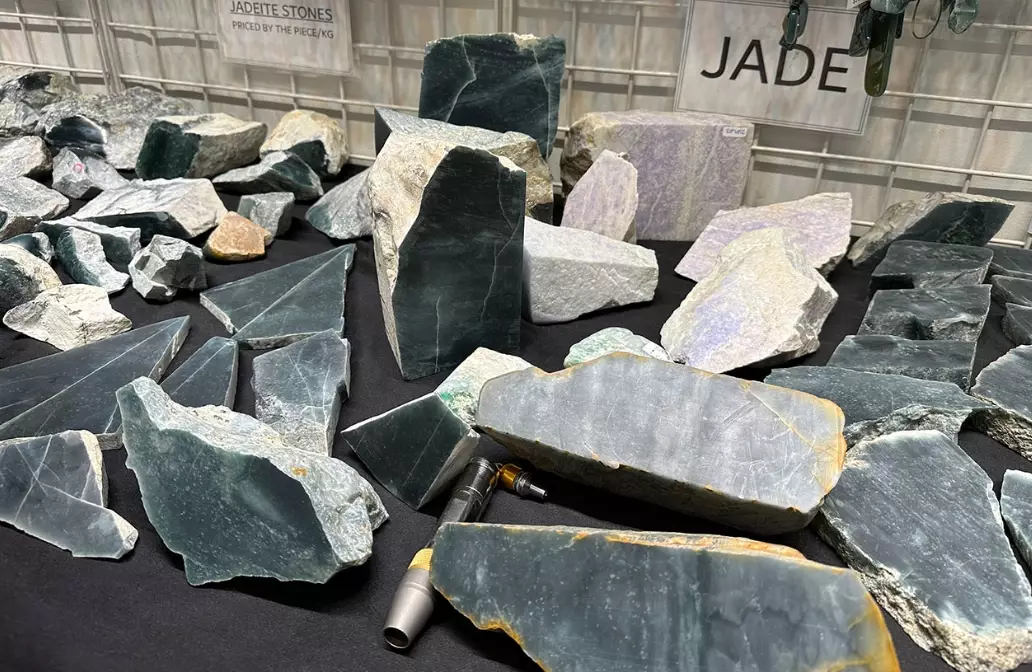
Your Quick Guide to Jade Rarity
What Exactly Is Imperial Green Jadeite?
First, let's clarify. When we talk about the "rarest jade color," we're almost always referring to jadeite, not nephrite. Nephrite is more common and comes in many lovely greens, whites, and browns, but the top tier of rarity and value belongs solely to jadeite from Myanmar (Burma).
Imperial Green isn't just "dark green" or "emerald green." That's a common mistake. I've seen pieces marketed as "Imperial Green" that were, frankly, just decent green jadeite. The true color is a vivid, highly saturated, medium-to-dark green with a slight bluish undertone. It's often described as "emerald green" but softer and more luminous. The key is the evenness of color and a high degree of translucency. The color should look alive and vibrant from within the stone, not just on the surface.
The name "Imperial" has roots in history, supposedly because this specific hue was favored by Chinese emperors. Whether that's entirely accurate or good marketing doesn't change the gemological reality: this combination of hue, saturation, and transparency in jadeite is extraordinarily uncommon.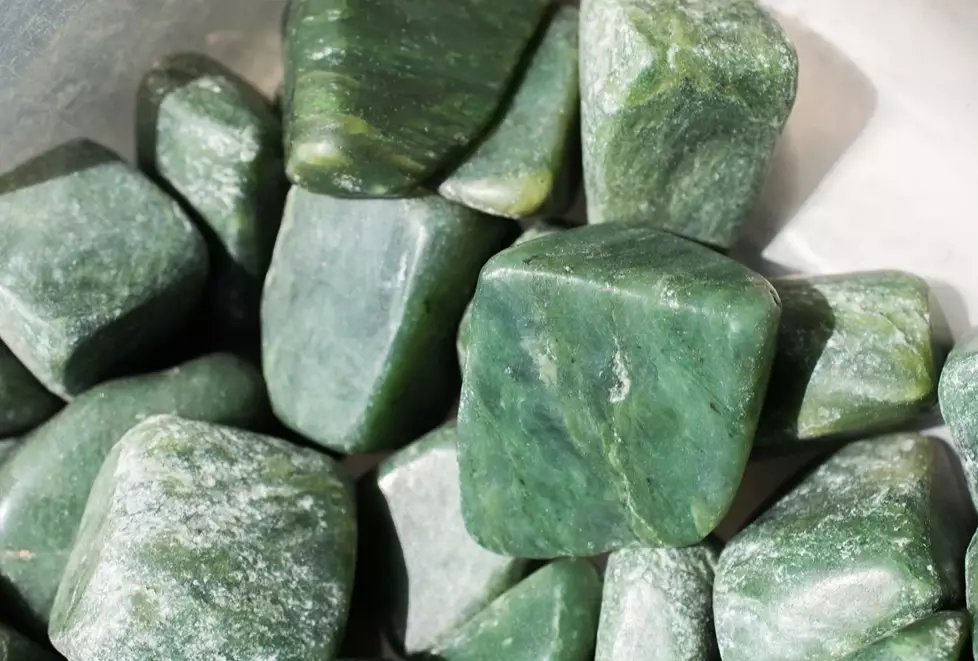
Why Is Imperial Green Jadeite the Rarest?
Its rarity isn't an accident. It's a perfect storm of geology, chemistry, and politics.
The Geological Lottery
Jadeite forms under incredibly specific high-pressure, low-temperature conditions. For Imperial Green to occur, chromium needs to be present in the exact right amount and in the right geological environment to be absorbed into the jadeite crystal structure evenly. Too little, and you get a pale green. Too much or poorly distributed, and the color can be patchy or too dark. This precise chemical recipe is a freak of nature.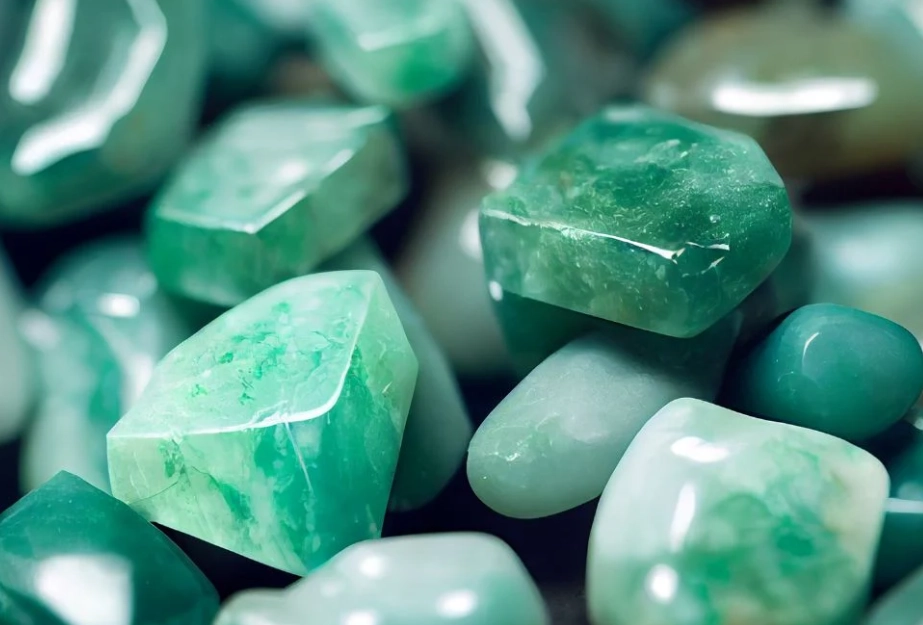
The Source: Myanmar's Depleting Mines
Nearly all the world's finest jadeite, including Imperial Green, comes from the Kachin state in northern Myanmar. The mining is notoriously difficult, often done by hand in dangerous conditions. The primary source for top-color material, the historic mines, are simply being exhausted. New finds are rare and seldom yield the consistent, high-quality rough needed for Imperial Green carvings or cabochons.
The "Three Excellences" Problem
Here's a nuance many beginners miss. For a piece to be top-tier Imperial Green, it needs to excel in three areas simultaneously: Color, Transparency, and Texture.
- Color: Must be that perfect vivid, even green.
- Transparency: Must be semi-transparent to translucent. A great color that's opaque isn't Imperial Green.
- Texture: Must be fine-grained and smooth. A coarse or granular texture diminishes the value drastically.
Finding a piece of rough jade that scores a 10/10 in all three categories is like winning the lottery. Most pieces sacrifice one for the others. A stone with perfect color might be slightly opaque. A highly translucent piece might have a faint unevenness in hue. The flawless convergence is the true source of rarity.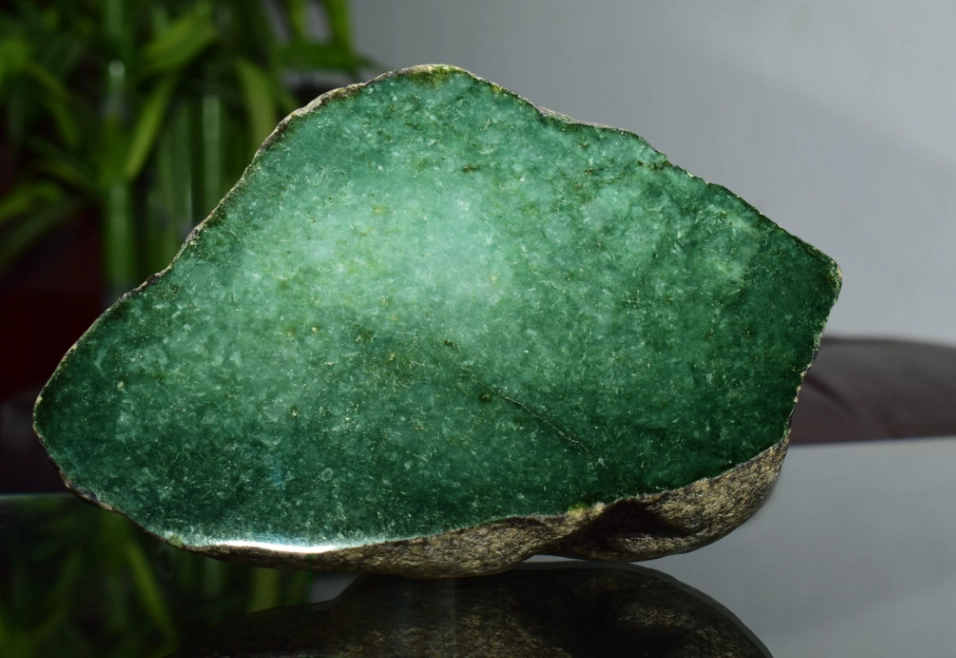
How to Identify True Imperial Green (And Avoid Fakes)
The market is flooded with imitations and misleading labels. "Imperial Green" is slapped on anything remotely green. Here’s how to protect yourself.
Look for the Certificate, Then Look at the Stone. Always insist on a report from a major gemological lab like the GIA (Gemological Institute of America) or Gubelin. But don't stop there. I've seen certificates that say "Jadeite Jade" and describe the color as "green." That's not enough. The description should be detailed. Some labs will use the term "Imperial Green" if the piece qualifies. Cross-reference the certificate number online.
Understand the Visual Tests.
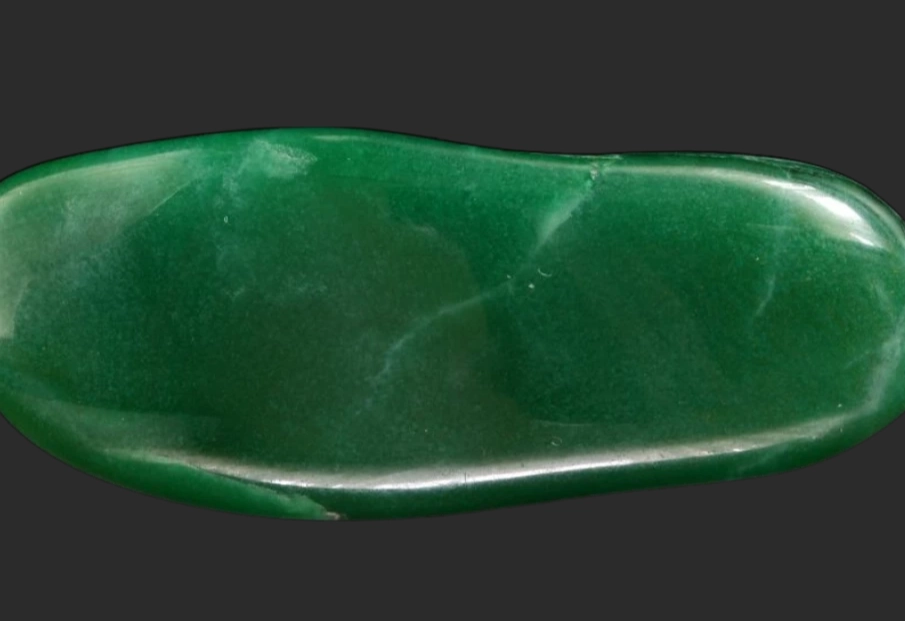
- The Light Test: Hold the stone up to a strong light. True Imperial Green will glow from within, showing an even color distribution. Dyes or impregnated stones often show color concentrated in cracks or around the edges.
- The Touch Test: Jadeite has a high specific gravity. It should feel surprisingly dense and cold to the touch for its size. Plastic or glass imitations feel lighter and warmer.
- The Luster: It has a unique, oily to vitreous polish. It's not a glassy sparkle like crystal; it's a softer, deeper glow.
Beware of Common Substitutes Sold as "Rare":
| What It's Called | What It Really Is | How to Spot the Difference |
|---|---|---|
| "Olive Green" or "Spinach Green" Jadeite | Lower-value jadeite colored by iron, not chromium. More yellowish or grayish undertone. | Lacks the vivid, pure vibrancy. Often more opaque. |
| "Canadian Imperial Green" Nephrite | Fine green nephrite from Canada. Beautiful but a different mineral altogether. | Nephrite has a more fibrous, matte look when magnified. Different feel and refractive index. |
| Dyed Quartz or Marble | Cheap stones treated with green dye. | Color is often too perfect and uniform in an unnatural way. Dye collects in cracks (visible under magnification). |
| Glass or Plastic Composite | Man-made materials. | Too light, too warm, often contain bubbles or flow lines. Scratches easily. |
Other Exceptionally Rare Jade Colors
While Imperial Green sits at the throne, the jadeite family has other royal members. Don't overlook these, as they can be just as rare and valuable in their own right.
"Lavender" or "Mauve" Jadeite: A beautiful purple hue caused by manganese. High-quality, saturated lavender with good translucency is extremely rare. Much of the lavender on the market is pale or grayish. A rich, even purple is a serious collector's item.
"Kingfisher" Green Jadeite: This is a brilliant, slightly bluish-green that's brighter and less deep than Imperial Green. Think of a kingfisher bird's plumage. It's incredibly vibrant and scarce. Some connoisseurs argue it's even rarer than Imperial Green in its top form.
Intense "Red" Jadeite: True red jadeite (from iron oxide) is not just rare; it's almost mythical. Most "red jade" you see is either brownish-red ("cinnabar" red) or, more commonly, a surface treatment. A fully saturated, consistent red jadeite cabochon is a museum piece.
"Ice" Type Jadeite with Intense Color: Here's a non-consensus point: everyone chases "ice" jade for its transparency. But a piece of pure, colorless "ice" is relatively common compared to "ice" that also has a strong, even Imperial Green or Lavender color running through it. That combination—high transparency with intense saturation—is where true rarity and value explode.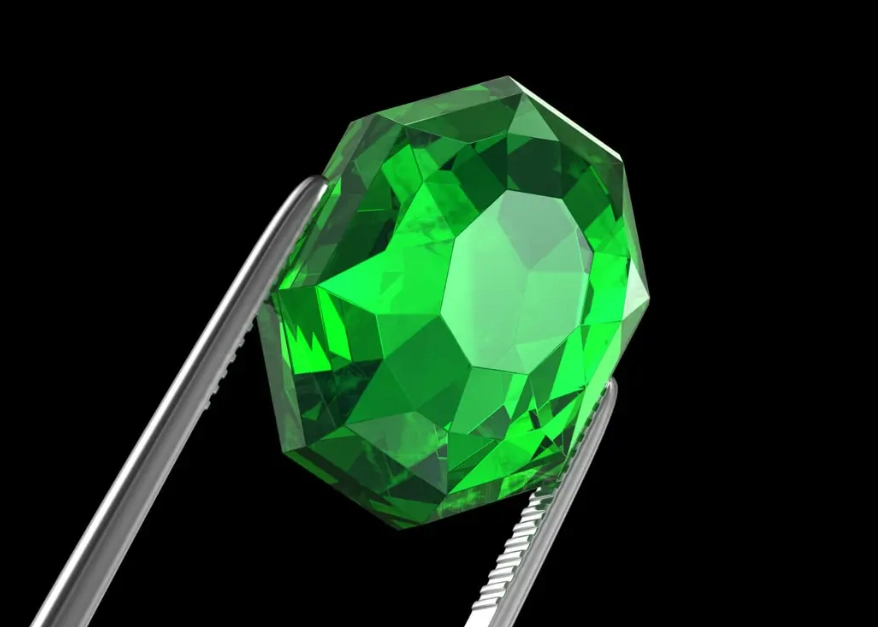
A Realistic Guide to Buying Rare Jade
You're not just buying a stone; you're navigating a complex, often opaque market. Let's be practical.
1. Define Your Goal. Are you an investor seeking an asset? A collector wanting a centerpiece? Or someone who just loves the color and wants a genuine piece? For investment, only consider top-tier, certified Imperial Green or the other rare colors with impeccable provenance. For personal love, you can explore finer grades of these colors or smaller pieces. A flawless Imperial Green bead is more attainable than a bangle.
2. Budget with Reality. Forget retail jewelry store markups. Connect with specialized jade dealers or auction houses. Even then, for a small (10-15 gram) piece of decent Imperial Green jadeite in a simple setting, be prepared to spend several thousand dollars. For investment-grade material, the sky's the limit. In 2023, a single Imperial Green jadeite bead from a proven antique necklace sold at auction for over $100,000.
3. Provenance is Your Safety Net. Where did it come from? A reputable dealer with a long history is worth their weight in gold. Can they trace the stone back to a specific lot or auction? For modern pieces, a GIA report is the baseline. For antiques, documentation and expert authentication are key.
4. See It in Person, If Possible. Photos and videos lie, especially with jade. Lighting can make a stone look more translucent or vibrant than it is. If you're making a major purchase, find a way to examine it under natural daylight and artificial light. Notice how the color moves inside the stone.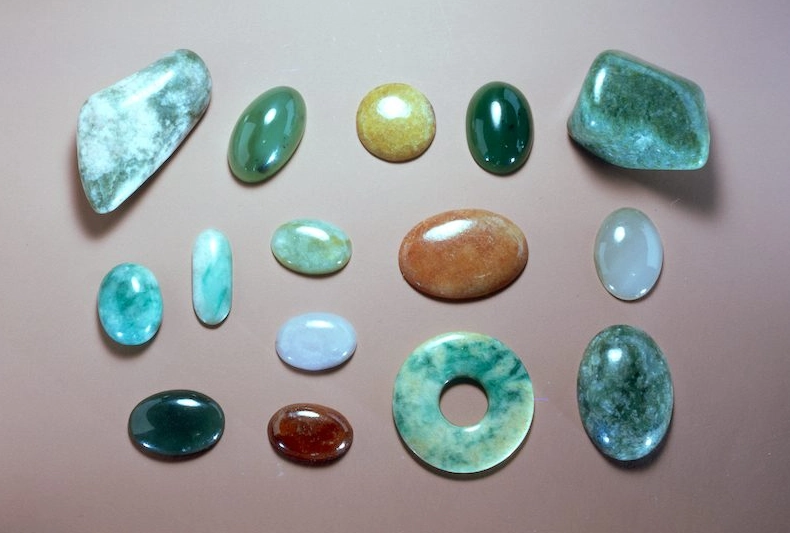
Your Jade Rarity Questions, Answered
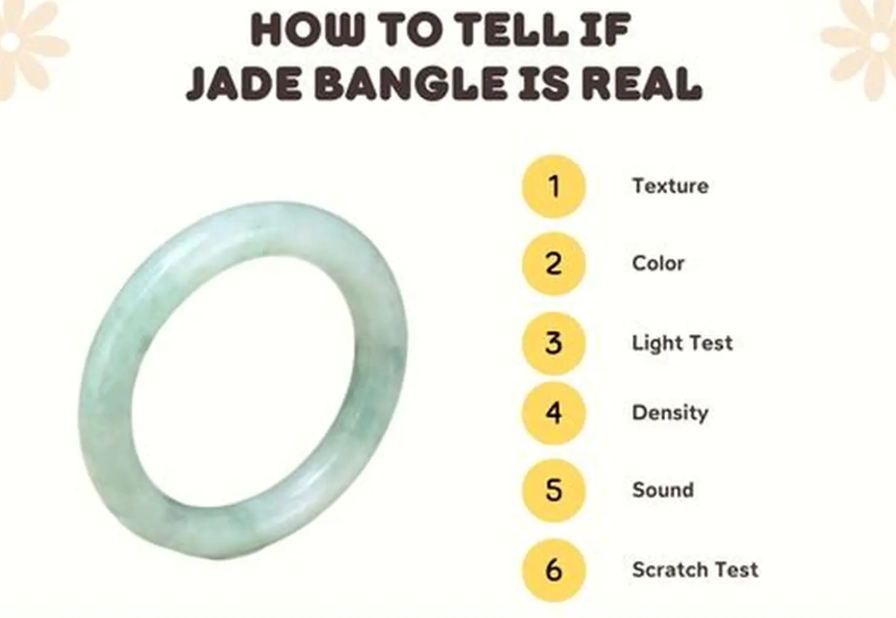 I inherited a green jade piece. How do I start finding out if it's valuable or even real?
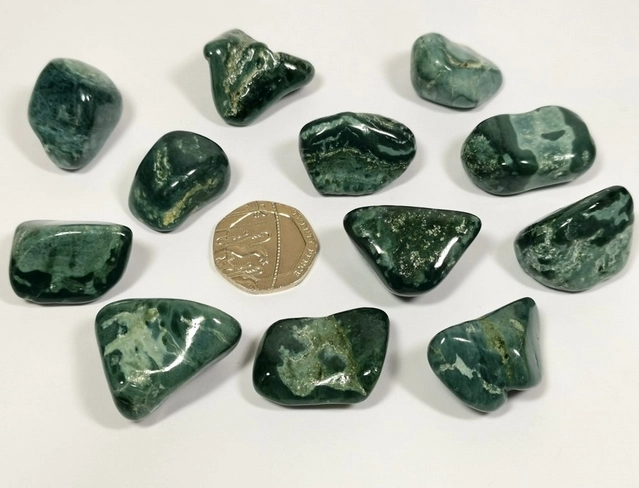 The hunt for the rarest color of jade is more than a gemological quest; it's a pursuit of one of nature's most perfect accidents. Imperial Green jadeite stands alone not because of marketing, but because of a brutal combination of scarce elements, impossible geology, and human desire. Understanding that—knowing what to look for and what to avoid—turns you from a browser into a knowledgeable admirer. And in a market where knowledge is the only real currency, that's the most valuable asset you can have.
Related Articles
Unlock the Power of Green Crystals: Your Guide to Healing, Harmony, and Growth
Lapis Lazuli Benefits for Women: Spiritual, Emotional & Physical Healing
Who Should Wear Pink Quartz? Benefits & Personas Explained
Ocean Jasper: Meanings, Healing Properties & How to Use It
Tigers Eye Meaning: Unlock Healing, Protection & Clarity