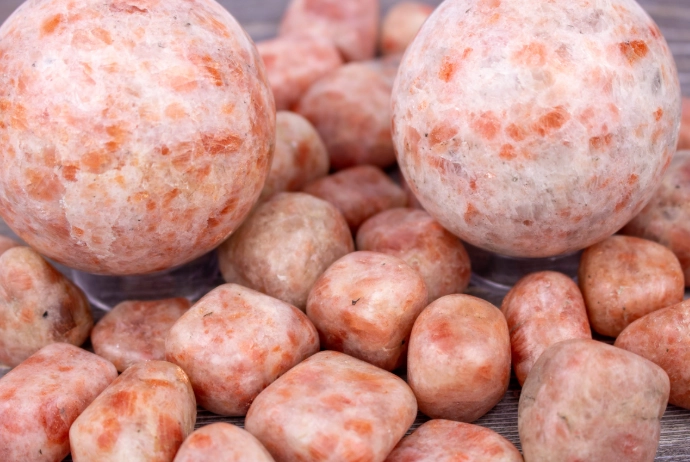
Blue quartz is more than just a pretty stone. If you've landed here, you're probably asking, "What is blue quartz crystal used for?" The short answer is: a lot more than you think. It's not just for jewelry or looking nice on a shelf. People use it for calming anxiety, decorating their homes in a way that feels good, and even in high-tech industrial applications. Its pale blue to deep azure color comes from tiny inclusions of other minerals, like dumortierite or crocidolite, which is why no two pieces are exactly alike. That uniqueness translates into a wide range of uses.
I've worked with crystals for over a decade, and blue quartz is one I see people misunderstand often. They buy it for its color but miss out on its practical, everyday applications. Let's fix that.
What You'll Discover
- What is Blue Quartz? A Quick Primer
- Primary Use #1: Spiritual and Emotional Healing
- Primary Use #2: Home and Lifestyle Decor
- Primary Use #3: Technological and Industrial Applications
- How to Choose the Right Blue Quartz for Your Need
- Caring for and Cleaning Your Blue Quartz
- Your Blue Quartz Questions Answered
What is Blue Quartz? A Quick Primer
Let's clear something up right away. Blue quartz isn't a single, perfectly pure mineral like clear quartz. It's a variety of quartz (silicon dioxide) that gets its color from microscopic fibers or grains of other blue minerals trapped inside it as it forms. The most common inclusions are dumortierite (giving a softer, cornflower blue) or crocidolite (a type of asbestos mineral that can create deeper, sometimes silky blue hues). This is crucial because it affects the stone's properties and, honestly, its safety. Crocidolite-based blue quartz should never be carved or sanded without proper safety gear due to dust risks—a detail most beginner guides skip.
You'll find it mined in places like Brazil, the USA, Austria, and Namibia. The color can range from a faint, milky sky blue to a rich, almost sapphire-like tone. The depth of color often influences its perceived "power" in metaphysical circles and its price in the decorative market.
Primary Use #1: Spiritual and Emotional Healing
This is where most people's curiosity starts. In crystal healing practices, blue quartz is considered a master stone for the throat chakra, but its influence doesn't stop there.
Calming Anxiety and Quieting the Mind
Its most sought-after use is for stress relief. The blue color is associated with calm (think of the sky or a still lake). Holding a tumbled piece during a tense work meeting or placing a raw chunk on your nightstand can serve as a physical reminder to breathe. It's not magic—it's mindfulness with a tool. I recommend it to clients who are overthinkers. The stone's energy is said to help organize scattered thoughts, making it easier to prioritize and let go of mental clutter.
Enhancing Communication and Speaking Your Truth
Linked to the throat chakra, blue quartz is used by people who need to have difficult conversations, speak in public, or express themselves more clearly. The idea is that it doesn't make you eloquent out of nowhere, but it helps calm the nervous energy that blocks honest expression. A common practice is to wear a blue quartz pendant or keep a small stone in your pocket before a big talk.
Practical Healing Setups You Can Try Today
For Sleep: Place a small, tumbled blue quartz under your pillow or on the bedside table. Its purported calming energy is believed to discourage nightmares and promote restful sleep. Combine it with a sleep meditation for better results.
For a Home Office: Position a medium-sized raw or polished piece on your desk, preferably near your computer. It's meant to create a bubble of focused, calm energy, reducing the feeling of being overwhelmed by emails and deadlines.
For Meditation: Hold a piece in your non-dominant hand or place it over your throat during your practice. Focus on the sensation of the stone and the intention of clear, calm communication with yourself.
Remember, crystal healing is a complementary practice. It works best when paired with actionable steps like therapy, good sleep hygiene, or communication exercises.
Primary Use #2: Home and Lifestyle Decor
Beyond the spiritual, blue quartz is a stunning design element. Its versatility here is underrated.
Creating Focal Points and Conversation Starters
A large, raw blue quartz cluster on a living room shelf or entryway console isn't just decor; it's a statement. It adds a natural, organic texture and a pop of cool color that pairs beautifully with neutral schemes (think whites, grays, light woods) or coastal themes. Unlike a painted vase, each piece is a unique fragment of the earth.
Functional Decor with a Purpose
This is where you get creative. Use blue quartz in ways that you interact with daily:
- Bookends: Two polished blue quartz spheres or hefty chunks can hold your favorite books, blending utility with beauty.
- Centerpieces: A bowl filled with tumbled blue quartz stones, perhaps mixed with clear quartz or amethyst, makes a beautiful, low-maintenance table centerpiece.
- Bathroom Accents: Smaller tumbled stones around a candle or soap dish can transform your bathroom into a mini-spa. (Note: Keep it away from constant direct water flow).
The "Vibe" Factor
Honestly, a big part of its decorative use is the vibe it creates. A room with natural crystals often feels more grounded, intentional, and serene than one with only mass-produced items. It's about bringing a piece of the outdoors in and choosing objects with a story.
Primary Use #3: Technological and Industrial Applications
This might surprise you, but quartz isn't just for healers and interior designers. Its physical properties make it invaluable in technology.
While pure, clear quartz is the superstar in electronics for its piezoelectric properties (generating an electric charge under pressure), blue quartz shares the same fundamental hardness and chemical stability. Its main industrial use comes from its composition as quartz.
| Industry | How Blue Quartz (as Quartz) is Used | Why It's Important |
|---|---|---|
| Electronics | As a source of silicon for semiconductors, and in oscillators for watches, radios, and GPS due to quartz's piezoelectricity. | Provides precise frequency control essential for timing and communication devices. |
| Optics | High-purity quartz is used to make lenses, prisms, and windows for various optical instruments. | Quartz is transparent to a wide range of light waves and is very durable. |
| Abrasive & Manufacturing | Crushed quartz is used in sandpaper, grinding media, and as an additive in paints and ceramics. | Its hardness (7 on the Mohs scale) makes it an effective, durable abrasive. |
| Foundry & Metallurgy | Used in molds for metal casting due to its high melting point and thermal stability. | Withstands the extreme heat of molten metals without deforming. |
For blue quartz specifically, its unique coloration typically means it's not used for high-purity silicon extraction. However, its durability still makes it suitable for abrasive purposes or as a decorative aggregate in specialty concretes and terrazzo.
How to Choose the Right Blue Quartz for Your Need
Not all blue quartz is equal. Picking the right form is half the battle.
For Healing & Meditation: Go for a tumbled stone or a small raw piece that fits comfortably in your hand. The smooth, polished surface of a tumbled stone is ideal for carrying in a pocket or holding during stress. A raw piece with visible points and terminations can feel more "alive" for meditation. Trust which one you're drawn to.
For Home Decor: Think about scale and texture. A large, dramatic raw cluster works as a focal point. A set of polished spheres or towers offers a more modern, sleek look. For a bathroom or kitchen, polished stones are better as they are less porous and easier to clean.
Avoiding Fakes: Real blue quartz is cool to the touch and will have natural imperfections—tiny cracks, varied color distribution, inclusions. If it's perfectly, uniformly blue and feels like plastic or glass, it probably is. A simple scratch test: real quartz (hardness 7) can scratch glass. Do this discreetly on an inconspicuous part if you must.
Caring for and Cleaning Your Blue Quartz
To keep its energy and appearance, it needs care. Here's the straightforward method.
Cleaning: Use lukewarm water, a mild soap, and a soft brush (like an old toothbrush). Gently scrub to remove dust and skin oils. Rinse thoroughly. Avoid harsh chemicals, ultrasonic cleaners, or steam, as they can damage the stone or its inclusions.
Recharging: If you use it for spiritual purposes, you might want to "recharge" it. Moonlight is perfect for blue quartz—place it on a windowsill overnight during a full moon. Sunlight can fade some colored stones over time, so I'm cautious with prolonged direct sun. You can also bury it in dry earth for a day or place it on a bed of clear quartz or selenite.
Store it separately from harder gems (like diamonds, sapphires) to prevent scratches.
Your Blue Quartz Questions Answered
Can blue quartz really help with anxiety, or is it just a placebo?
It operates in the space between a tangible tool and a psychological aid. Holding a smooth, cool stone forces you to pause and focus on a physical sensation, which can interrupt an anxious thought spiral. The color blue is psychologically calming. So, whether you believe in metaphysical energy or not, the ritual of using it can create a very real mindfulness moment that reduces anxiety. It's a tool, not a cure.
What's the difference between blue quartz and aqua aura quartz?
This is a critical distinction. Blue quartz is natural, colored by mineral inclusions. Aqua aura quartz is a man-made enhancement where clear quartz is bonded with gold and other metals in a vacuum chamber to create an iridescent blue surface coating. It's beautiful, but it's not a natural stone. For metaphysical uses, purists prefer natural stones. For decor, aqua aura offers a more vibrant, metallic blue.
How do I know if my blue quartz is real or glass?
Check the temperature. Real quartz feels notably cooler than room temperature for longer than glass does. Look for imperfections like veining, bubbles that are not perfectly round (elongated bubbles often mean glass), and uneven color distribution. Glass may also have a waxy feel. When in doubt, buy from a reputable dealer who sources ethically and provides information on origin.
Where is the best place to put blue quartz in my home?
It depends on your goal. For general calm, the living room or a common area. For better communication among family, consider the dining room. For stress relief, the home office or bedroom. For a touch of serene beauty, the bathroom (kept dry). There's no single "right" spot—place it where you feel it's needed or where you'll see and enjoy it most.
Is it safe to put blue quartz in drinking water to make crystal elixirs?
I strongly advise against this. Many crystals, including some varieties of blue quartz (especially those with crocidolite inclusions), can contain trace amounts of metals or minerals that are toxic if ingested. Making a direct elixir by putting the stone in water can leach these elements. If you want to use crystal energy with water, use the indirect method: place your cleansed stone next to a glass or bottle of water, not inside it.
Related Articles
Who Should Avoid Rose Quartz? 5 Surprising Reasons & Safer Alternatives
Lapis Lazuli Healing Properties Explained: A Complete Guide to Spiritual & Physical Benefits
Moonstone Side Effects: What They Are & How to Avoid Them
Who Should Avoid Lapis Lazuli? A Clear Guide to Crystal Safety
Ultimate Guide to Blue Kyanite: Spiritual, Healing & Practical Uses