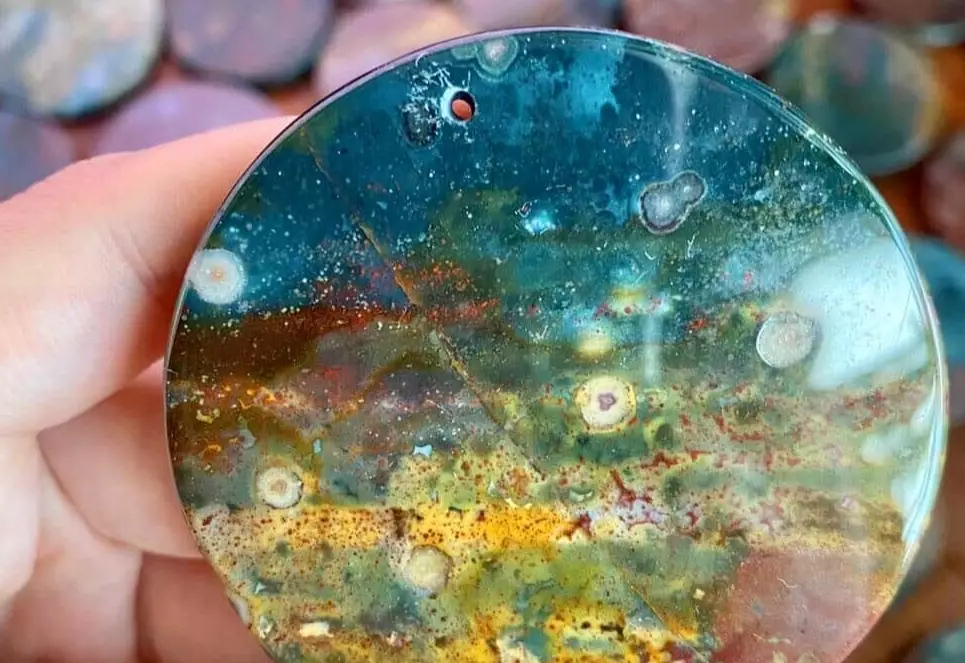
That first time you see a piece of genuine azurite, it stops you. It's not just blue. It's a deep, velvety, almost midnight blue that feels like looking into a clear night sky or the profound depths of the ocean. This isn't a subtle crystal. Azurite makes a statement. For centuries, it's been prized not just for its stunning color—used as a pigment in Renaissance paintings—but as a powerful tool for the mind and spirit. If you're feeling stuck in linear thinking, craving deeper intuitive hits, or want to untangle a mental knot, this stone might be your ally. But there's a catch. Azurite is a bit of a diva. It needs specific care, and most guides gloss over the practical realities of owning one.
Your Quick Guide to Azurite
What Exactly is Azurite Crystal?
Let's get the textbook stuff out of the way first. Azurite is a soft copper carbonate mineral. Its chemical composition is what gifts that insane blue color. You'll often find it in the same locations as its green cousin, malachite, and they sometimes grow together in breathtaking combinations called azurite-malachite.
Azurite at a Glance
Color: Deep azure blue to very dark blue. Lighter blues are usually lower grade or mixed with other minerals.
Hardness: Only 3.5 to 4 on the Mohs scale. This is key. It means it scratches easily—think a copper penny or a fingernail can damage it.
Source: Major deposits have come from places like Namibia, Morocco, Mexico, and the Southwestern United States (Arizona).
Famous Use: Beyond crystals, ground azurite was the pigment "azure blue" in medieval and Renaissance art. The International Gem Society notes its historical significance as a prized pigment before synthetic alternatives existed.
The first piece I ever bought was a small, rough chunk from a shop in Sedona. I was drawn to it, but the seller gave me a vague warning: "Keep it out of the sun." I nodded, not really understanding. A few months later, after leaving it on my east-facing desk, the edges had turned a dull, greenish-black. The vibrant blue was gone. That was my rookie mistake, and it's one most crystal sellers don't emphasize enough.
Azurite's Metaphysical Properties & Uses
People don't seek out azurite because it's pretty. They seek it because they want to see more. Not with their eyes, but with their inner sight.
The core theme here is perception. Azurite is famously linked to the third eye chakra (the space between your eyebrows associated with intuition and insight) and the throat chakra (communication). It's like a bridge. It helps translate those fuzzy intuitive feelings into clear thoughts and words you can actually understand or express.
Where Azurite Really Shines
Breaking Mental Loops: Ever have a problem you just keep thinking about in the same, unproductive circle? Azurite is said to help break that cycle. It doesn't give you the answer, but it can help you step back and see the pattern from a new angle. I've used it during journaling sessions when I feel mentally blocked, placing it on my desk. Often, a new connection or a forgotten detail will surface.
Psychic Development & Dream Work: If you're dabbling in meditation to heighten intuition or want to remember your dreams more vividly, azurite is a classic companion. Placing it under your pillow or on your nightstand can lead to more intense, memorable, and sometimes symbolic dreams. A common report from users is dreams that feel more like "downloads" of information.
Accessing Subconscious Blocks: This is the heavy-duty work. Azurite is believed to help bring deeply buried beliefs or past experiences to the surface so they can be examined and released. This isn't always a comfortable process, which is why some recommend pairing it with a grounding stone like smoky quartz or a nurturing stone like rose quartz.
A Word of Caution: Because azurite can stimulate deep mental and psychic activity, some people find it overstimulating before bed. If you're prone to insomnia or anxiety, try using it only during daytime meditations first. Listen to your own energy.
How to Use Azurite in Your Practice
Okay, so you have a piece. Now what? You can't just toss it in your pocket like a quartz tumble and forget about it. Azurite requires a bit more intention.
Practical Application Ideas
Meditation Anchor: Hold a piece in your non-dominant hand or place it on your third eye during meditation. Don't force anything. Just set an intention like "show me what I need to see" or "clarify my thoughts on [specific issue]." The deep blue color alone can be a focal point to quiet the mind.
Strategic Placement: Put a sphere or a good-sized specimen on your desk if your work requires creativity or problem-solving. In your study area, it's believed to aid concentration and understanding of complex information. Avoid placing it in direct sunlight or high-traffic areas where it could get knocked over.
As a Programming Companion: I rarely "program" azurite with a specific command like you might with clear quartz. Its energy feels more investigative than directive. Instead, I might state my question or problem aloud while holding it, then let it work in the background as I go about my day.
The Care & Handling Manual Most Guides Skip
This is the expert-level advice. Azurite is delicate.
Sunlight is the Enemy: This is non-negotiable. Prolonged exposure to UV rays will permanently fade the color from brilliant blue to a dull green or black. It's a chemical change. Display it in shaded cabinets or on shelves away from windows.
Forget Water Cleansing: Never, ever run your azurite under water or use salt. Water can damage its surface and structure. Stick to dry methods: smudging with sage smoke, placing it on a selenite plate, using sound (singing bowl), or burying it in dry brown rice overnight.
Jewelry is Tricky: Azurite rings or bracelets for daily wear are a bad idea. The stone is too soft and will get scratched and dulled. Pendants or earrings are safer, but still, be mindful. Take them off before showering, swimming, or applying lotions.
How to Spot Real vs. Fake Azurite
The crystal market is flooded with fakes. With azurite, the most common impostor is dyed howlite or magnesite—a white stone soaked in blue dye. Sometimes you'll see pure azurite faked, but more often, the scam is with the popular azurite-malachite blend.
Here’s what to look for:
- The Color: Real azurite blue is deep and often has slight variations in shade. Dyed stones have an unnaturally uniform, sometimes neon, blue that seeps into every crack. Look at the crevices—if the blue is concentrated there like ink, it's dyed.
- The Pattern (for azurite-malachite): Genuine blends have a natural, flowing, almost painterly mix of blue and green. The boundaries can be sharp or blended. Fake ones often have a very fake-looking, spotted or splotchy pattern that doesn't look geological.
- Weight and Feel: Azurite has a decent heft for its size. Resin or plastic fakes feel light and warm to the touch. A real mineral feels cool and dense.
- The Price: A large, deep blue specimen of pure azurite for $20? Too good to be true. Real quality pieces command higher prices.
When in doubt, buy from reputable dealers who can provide locality information. Resources like Mindat.org, a mineralogical database, can show you what authentic specimens from specific mines should look like.
Your Azurite Questions Answered
Azurite isn't a beginner's stone, and that's okay. Its power and its demands are part of the same package. It asks for respect—careful handling, mindful placement, and intentional use. In return, it offers a window into the depths of your own mind and the subtle layers of perception that everyday life often drowns out. Start with a small piece. Learn its quirks. See if its deep blue silence resonates with your own quest for clarity. You might just find that the stone's most important lesson is about slowing down and paying attention, to it and to yourself.
Related Articles

Dismantle the Apple Watch, the cost is less than 700 yuan.
Green Fluorite: Meaning, Healing Properties & How to Use It
Phenakite: The Complete Guide to Its Value, Properties & Care
Blue Jadeite: The Complete Guide to Meaning, Value & Care
Where to Put Selenite in Your House: 5 Key Spots for Energy & Clarity