You've probably seen sodalite—those deep blue stones with white veins, often speckled with bits of white calcite. It's gorgeous, no doubt. But if you're just buying it because it looks like a cheaper lapis lazuli, you're missing the point entirely. Sodalite, often called the "stone of logic," has a vibe and a purpose all its own. For over a decade of working with crystals, I've seen sodalite get pigeonholed or overlooked. Most articles just rehash the same generic points about "calming" and "throat chakra." Let's go deeper. Let's talk about what it actually does for your nervous system, how to use it when you're about to have a tough conversation, and, crucially, how to avoid buying a piece of dyed howlite being passed off as the real thing.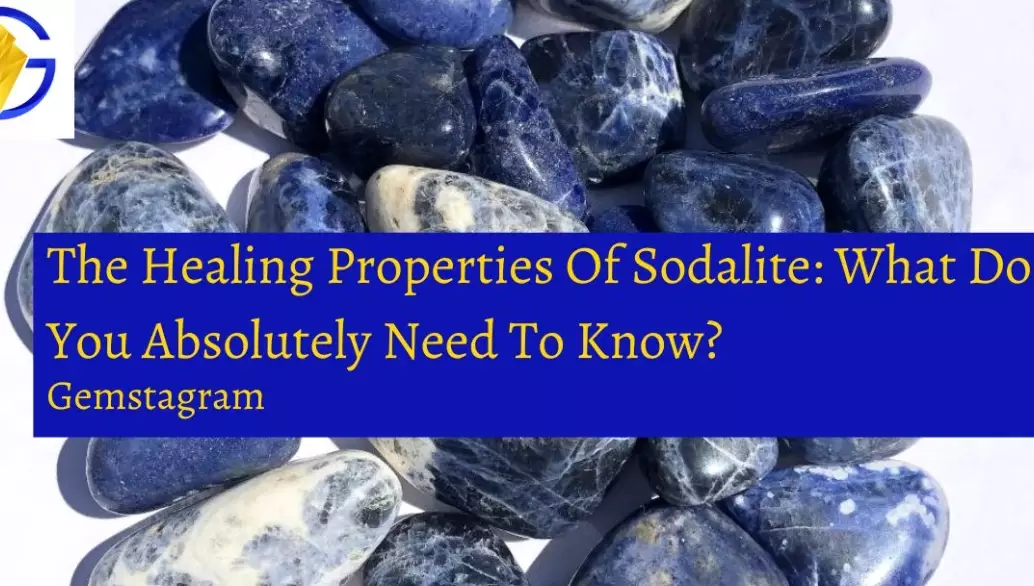
What's in this guide?
What Is Sodalite? Breaking Down the Blue
Sodalite is a royal blue tectosilicate mineral. The name comes from its sodium content. It's not a single, solid blue like lapis often is; its signature look is that rich, navy blue background crisscrossed with white (calcite) veins and sometimes flecks of pyrite. The best quality pieces have a vibrant, even blue color with contrasting white.
Major sources include Brazil, Canada (notably near Bancroft, Ontario), Namibia, and Russia. The Canadian material is particularly famous. Now, here's a nuance most beginners miss: the amount and pattern of white calcite does not determine its metaphysical potency. A piece with minimal white can be just as powerful as a highly veined one. It's more about the depth of color and, frankly, your personal connection to the specific stone.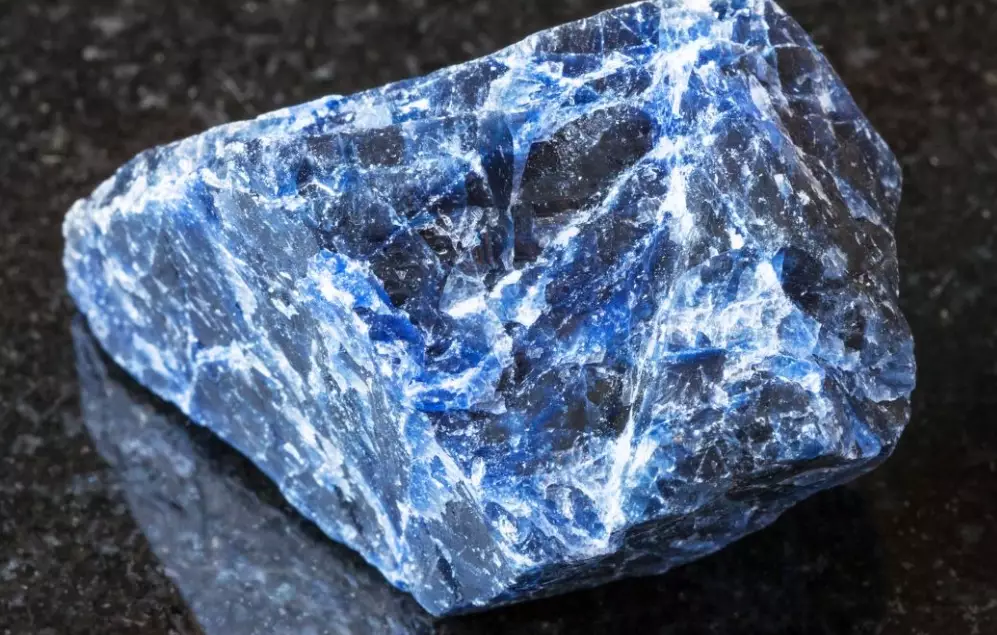
Quick Mineralogy Check: Sodalite's hardness is 5.5-6 on the Mohs scale. This means it's softer than quartz (7) and can be scratched by a steel knife. That's actually a useful fact for identification, which we'll get to.
Key Sodalite Crystal Benefits: Beyond the Basics
Sure, it's calming. But let's get specific about sodalite crystal benefits. Its energy is cool, logical, and penetrating. It doesn't just blanket you in peace; it helps you understand your chaos.
1. For Your Mind & Emotions: The Logic Injector
This is where sodalite shines. When anxiety is a fog of "what-ifs," sodalite acts like a mental air conditioner. It promotes rational thought. I've used it for years when preparing for client meetings or difficult family talks. It doesn't make you emotionless; it helps you articulate your emotions clearly without the hysterics.
A specific scenario: You need to ask for a raise. Your heart races, your mind goes blank. Holding a sodalite palm stone for five minutes before the meeting can shift your mindset from "I'm scared" to "Here are the three reasons why I deserve this." It's linked to the throat chakra, yes, but also deeply to the third eye—enhancing insight so you know what to say.
2. For Your Body: The Metabolic Harmonizer?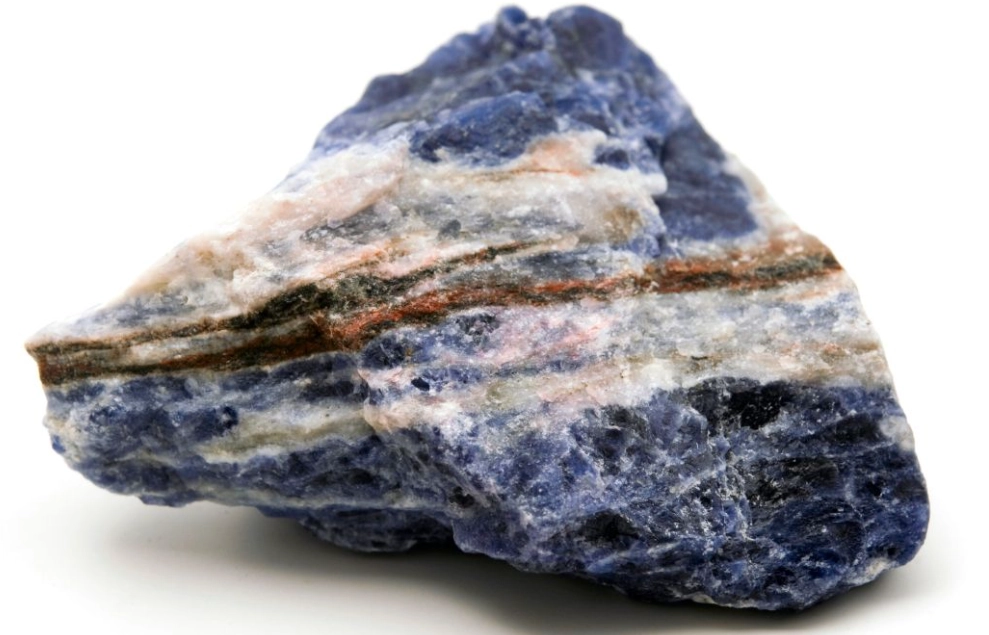
Here's a less-discussed angle. In crystal healing traditions, sodalite is associated with regulating metabolism and balancing fluids. While you should always consult a doctor for medical issues, many users report feeling a stabilizing effect on issues like high blood pressure or sleep disturbances linked to an overactive mind. The theory is that by calming the mental chatter (the sympathetic nervous system), it allows the body's regulatory systems to function more smoothly. It's an indirect, but often noticeable, physical benefit.
3. For Your Spirit: Truth & Tribe
Sodalite is known as a stone of truth. This isn't about forcing honesty onto others; it's about facing your own inner truths. It encourages self-acceptance and can be profoundly helpful for those who feel like outsiders. It fosters a sense of belonging on your own authentic terms. If you've ever felt you had to hide parts of yourself to fit into a group, meditating with sodalite can strengthen your resolve to just be you.
How to Spot Fake or Low-Quality Sodalite
This is critical. The crystal market is flooded with fakes. Sodalite is commonly faked with dyed howlite or magnesite. Here’s how to protect yourself:
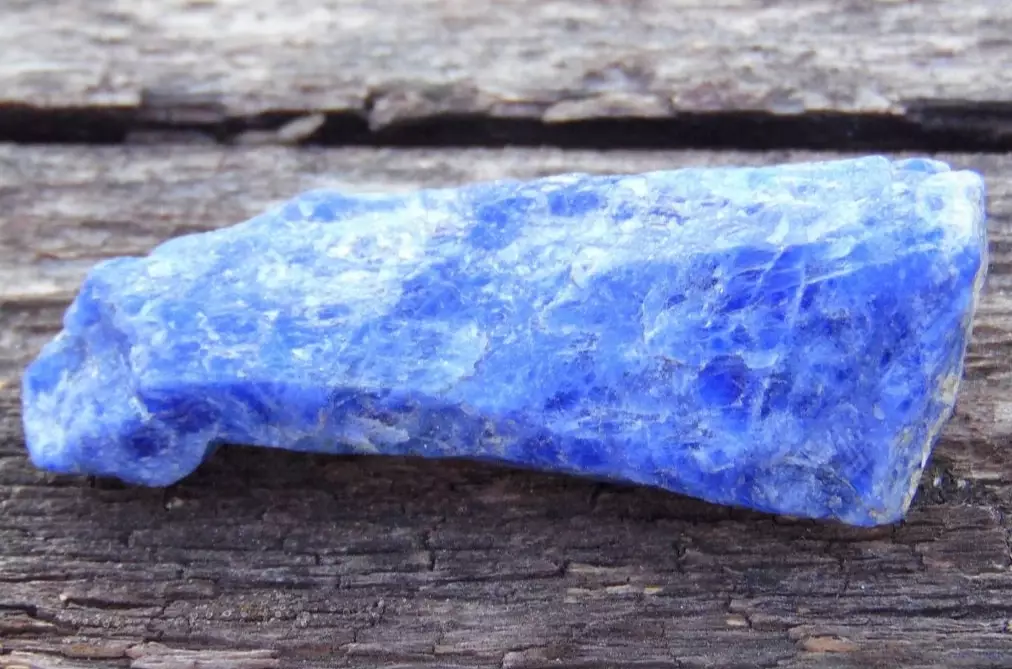
- Check the Color: Real sodalite's blue is deep and often uneven. Fake dyed stone often has color concentrated in cracks or has an unnaturally uniform, chalky blue look.
- Examine the White Veins: In real sodalite, the white calcite veins are integrated, not painted on. They should look natural, like marble veins. On a fake, the white might look blotchy or the dye may bleed into it.
- The Scratch Test (Carefully): Remember the hardness (5.5-6)? Take a steel nail or knife (not your best kitchen knife!). Try to scratch an inconspicuous spot. Real sodalite should scratch. If it doesn't, it might be a harder material like dyed quartz or glass. If it scratches too easily and leaves a powdery mark, it could be dyed howlite.
- Trust Reputable Sellers: Buy from shops that provide locality information (e.g., "Bancroft, Canada"). A seller who knows their stuff is your best defense.
I bought a "sodalite" sphere once from a market stall because it was cheap. It felt light and the blue rubbed off slightly on a damp cloth. Lesson learned: if the price seems too good to be true, it often is.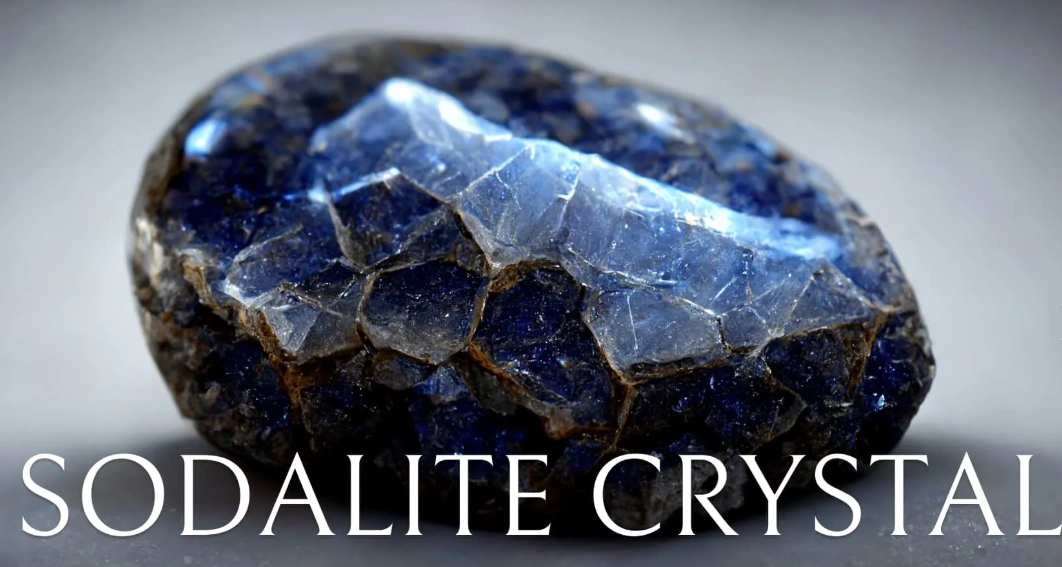
Practical Ways to Use Sodalite in Your Daily Life
Knowing the benefits is one thing. Applying them is another. Here are concrete, non-fluffy ways to use sodalite.
For Communication & Work
Keep a small tumble stone in your pocket or on your desk. Touch it when you feel overwhelmed by emails or before a call. Place a larger piece near your computer to help maintain focus and logical flow during complex tasks.
For Sleep & Anxiety
Place a cleansed sodalite under your pillow or on your nightstand. Its energy is not sedating but mentally organizing. It can help quiet the "to-do list" brain that keeps you awake. For acute anxiety, hold a piece in your non-dominant hand and focus on taking slow, deep breaths, visualizing the blue light cooling your thoughts.
For Meditation & Journaling
Hold sodalite over your throat or third eye during meditation. Set an intention like, "Help me see the truth of this situation clearly." Use it as a focus object when journaling to untangle emotional knots. You might be surprised at the clarity that emerges.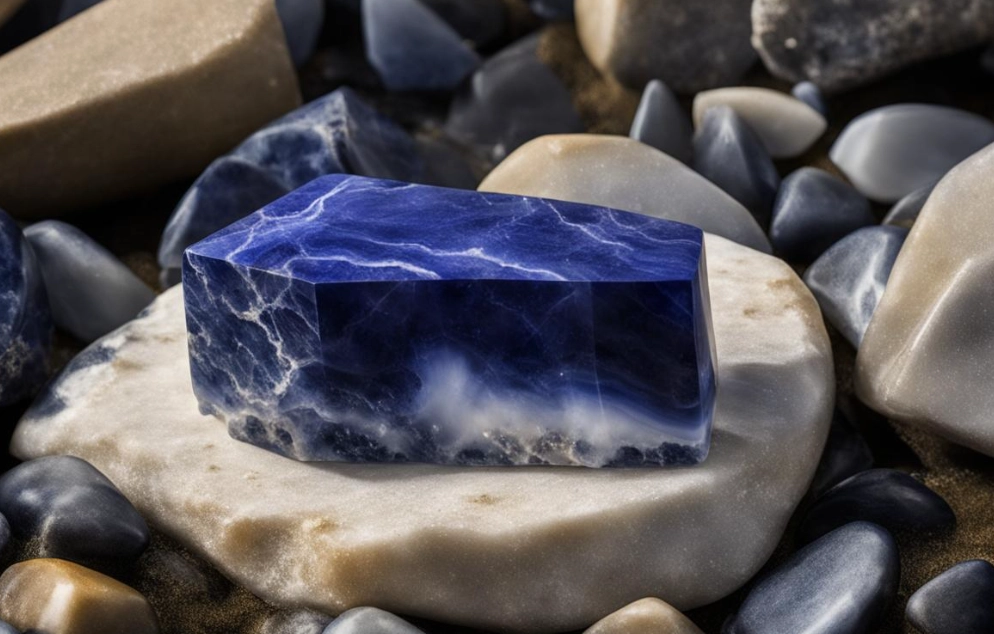
Sodalite vs. Lapis Lazuli: Which Should You Choose?
This is a huge point of confusion. They look similar but are different tools.
| Feature | Sodalite | Lapis Lazuli |
|---|---|---|
| Primary Energy | Cool, logical, calming, truth-seeking | Powerful, visionary, activating, connected to ancient wisdom |
| Best For | Rational thinking, clear communication, social anxiety, daily stress | Deep spiritual insight, accessing inner power, boosting confidence, profound transformation |
| Typical Look | Blue with white calcite veins (little to no pyrite) | Deep blue with brassy pyrite flecks (gold specks) |
| Price Point | Generally more affordable | Often more expensive, especially high-quality pieces |
| My Personal Take | Your go-to for everyday mental clarity. It's like a wise, calm friend. | Your ally for big leaps and deep dives. It's more like a royal advisor. |
If your life feels chaotic and you need to think straight, start with sodalite. If you're seeking major personal transformation and tapping into deeper intuition, lapis might be the call.
Your Sodalite Questions, Answered
Can sodalite actually help with social anxiety, or is that just hype?
It's one of its strongest applications, in my experience. Social anxiety often stems from fear of misspeaking or being judged. Sodalite works on the throat chakra (expression) and the third eye (clarity of thought), which can reduce that mental panic before and during social interactions. It won't magically make you an extrovert, but it can provide a steadying, logical counter-voice to the inner critic. Pairing it with deep breathing is more effective than just carrying it passively.
What's the best way to cleanse and charge my sodalite?
Avoid water immersion for extended periods. Sodalite can be porous, and water can damage it or loosen any glue in treated pieces. Stick to safe methods: smudging with sage or palo santo, placing it on a selenite plate overnight, or leaving it in moonlight (especially during a full moon). Sound from a singing bowl or bell also works beautifully. I charge mine by placing it with a clear quartz point, which seems to amplify its logical energy.
I've heard sodalite can help with sleep. Where exactly should I place it?
Under the pillow is classic, but sometimes the stone can be physically uncomfortable. I recommend the nightstand, within a foot or two of your head. If your insomnia is due to racing thoughts (planning, worrying), placing it near the head helps. If it's more a general bodily tension, placing it closer to the center of the body might be better. Try it for a week and see if you notice a difference in how quickly your mind settles.
 Is there any downside or negative effect to using sodalite?
For most people, no. Its energy is generally gentle and stabilizing. However, if someone is extremely emotionally detached or overly analytical already, some find it can accentuate that "cold" feeling. It's about balance. Listen to your body. If you feel overly detached or unemotional after using it, take a break or pair it with a warmer stone like carnelian or rose quartz to balance the energy.
Sodalite vs. blue lace agate—both are blue calming stones. How do I pick?
Great question. Think of blue lace agate as a soft, soothing whisper—it's for gentle relaxation, peace, and easing a sore throat's physical symptoms. Sodalite is a structured, logical conversation. It's for when you need to calm down and solve a problem. Agate is a blanket; sodalite is a tool. For panic, I might reach for blue lace agate first. For anxiety mixed with confusion, I go straight for sodalite.
The real power of sodalite isn't in believing in magic; it's in using a tangible object as a focus for your own intention. That blue stone is a reminder to breathe, to think clearly, and to speak your truth with confidence. Start with a genuine, small piece. Keep it simple. Notice how you feel when you hold it during a stressful moment. That's where the true sodalite crystal benefits begin—not in folklore, but in your own lived experience.
Related Articles
Crystal Quartz: The Complete Guide to Meanings, Uses, and Care
Where to Put Selenite in Your House: 5 Key Spots for Energy & Clarity
Kyanite Formula: Your Guide to Crystal Energy & Healing
Unlock the Power: Black Onyx Benefits for Women Explained
Unlocking the Secrets of Tiger Eye Stone: Your Expert Guide to Meaning, Benefits & Buying