You're looking at a piece of kunzite jewelry online or in a store. That soft, dreamy pink color catches your eye. It's stunning. But then the price tag gives you pause. Is kunzite actually a valuable gemstone, or are you just paying for a pretty face? The short answer is: it's complicated. Kunzite can be incredibly valuable, but its worth sits in a unique and often misunderstood niche. It's not a diamond or a ruby, and judging it by those standards will lead you astray. Its value is a cocktail of beauty, rarity, fragility, and a market that hasn't quite made up its mind. Let's break down exactly what makes kunzite tick—and whether it deserves a spot in your collection or investment portfolio.
What You'll Discover Inside
What Makes Kunzite Valuable? A Deep Dive
Forget the generic "color and clarity" spiel. With kunzite, the devil is in the very specific details. Its value hinges on a few critical factors that are easy to get wrong if you're not looking closely.
The Color Conundrum: It's All About Saturation (Not Just Being Pink)
Most salespeople will say "the deeper the pink, the better." That's only half true. The top-tier value is held by stones with a vivid, saturated pink-to-violetish pink hue. Think the color of a ripe raspberry or a deep peony. Pale, washed-out lilac pinks are lovely but command a fraction of the price. Here's the kicker—kunzite is strongly pleochroic. That means it shows different colors from different angles. A stone might look a rich pink face-up but a paler color from the side. A skilled cutter must orient the rough to maximize that desirable pink face-up view, sacrificing carat weight to do so. A poorly cut stone that looks pale from the top is a major value killer, no matter how big it is.
Clarity and Size: The Rarity Multiplier
Kunzite is a Type II gemstone (according to GIA clarity standards). This means eye-clean specimens—stones with no inclusions visible to the naked eye—are rare and valuable. You'll commonly see some veil-like inclusions or tiny fractures. A completely clean kunzite over 5 carats is a notable find. Size dramatically amplifies value. Fine-quality kunzite in small sizes (1-3 carats) is relatively available. But find that same vivid color and eye-clean clarity in a 10-carat, well-cut stone, and you're looking at a piece that can rival prices of some finer sapphires. Large, clean material is where the real market scarcity lies.
A Common Mistake I See: Buyers get dazzled by a large, inexpensive kunzite. It's often pale, included, or cut too shallow to save weight. It looks big for the budget, but it lacks the color saturation and precision cutting that defines high-value material. You're paying for weight, not quality.
The Origin Story: Does It Matter?
For most buyers, not really. The vast majority of fine kunzite comes from a few key sources: Afghanistan, Brazil, and Madagascar. Afghan material, particularly from the Pegmatite fields, is historically renowned for its superb color. Some connoisseurs and collectors pay a slight premium for Afghan origin, but it's a niche concern. For the average purchase, the quality of the individual stone in front of you (its color, clarity, cut) is infinitely more important than its country of origin. Don't get upsold on origin unless you're a serious collector.
Kunzite Market Value: What’s the Real Price?
Let's talk numbers. Kunzite price per carat has a massive range, which is why online answers are so frustratingly vague. Here’s a realistic breakdown based on current market observations (not retail markups, but closer to wholesale/collector pricing).
| Quality Tier | Color Description | Clarity | Price Range (Per Carat) | Best For |
|---|---|---|---|---|
| Commercial | Very Light Pink, Pale Lilac | Visible Inclusions | $20 - $80 | Fashion jewelry, entry-level pieces. |
| Good | Light to Medium Pink | Eye-clean to slightly included | $80 - $250 | Nice jewelry, better mall brands. |
| Fine | Vivid Pink, Strong Saturation | Eye-clean | $250 - $600+ | Designer jewelry, collector pieces. |
| Exceptional | Intense Vivid Pink-Violet, "Hot Pink" | Loupe-clean, flawless | $600 - $1,500+ | Investment-grade stones, high auction potential. |
Remember, these are per-carat ranges. A 10-carat stone from the "Fine" tier could cost $2,500 to $6,000 for the gemstone alone. The setting (especially if it's gold with diamonds) adds significantly more.
Kunzite vs. Pink Sapphire: This is a classic comparison. A fine pink sapphire with similar color saturation will always command a higher price per carat—often 5 to 10 times more. Why? Superior hardness (9 vs. kunzite's 6.5-7), greater durability, and a more established market. Kunzite offers that delicate pink hue at a much more accessible price point. You're trading some durability for beauty and value.
Kunzite as an Investment: Smart Move or Pretty Risk?
Let's be blunt. If you're looking for a safe, liquid asset to park cash, buy gold or stocks. Gemstone investing is speculative and requires expertise. However, kunzite can be a passion investment.
Its market is thin. There's no centralized pricing like diamonds. Value appreciation depends almost entirely on finding the right buyer who falls in love with that specific stone. The stones with the best chance are those in the "Exceptional" tier: large (15+ carats), with knockout color and impeccable clarity. These are museum or auction-house pieces.
The 2022 sale of "The Rose of Kunzite," a 47.88-carat exceptional stone, for over $400,000 at auction shows the ceiling. But that's the ceiling, not the floor. Your $2,000 kunzite ring is unlikely to double in value quickly. It might, however, hold its value well if you bought it right (not at a huge retail markup). Think of it as buying a piece of art you can wear. You enjoy it for years, and if it happens to increase in value, that's a bonus.
The real "investment" is in the joy and beauty it brings you, not a guaranteed financial return.
How to Buy Kunzite: A Practical Guide
Ready to shop? Don't walk into a store or click "add to cart" without this checklist.
1. Set Your Budget and Priority. Are you after size or color? For a given budget, you usually choose between a larger, paler stone or a smaller, more vivid one. I generally advise prioritizing color saturation. A small, vivid pink is more striking than a large, watery one.
2. Inspect in the Right Light. This is critical. Kunzite's color can look best in daylight. Ask to see the stone near a window or under a daylight-balanced LED. Retail store lighting can make colors look more saturated. A pale stone under bright lights can trick you.
3. Examine the Cut. Look for a stone with even color distribution across its table (top). Tilt it. Does the color disappear or turn grayish? That's weak pleochroism and a sign of less careful cutting. Check for a window (a see-through area in the center where color is lost)—a sign of a cut that prioritized weight over optics.
4. Ask About Treatment. Virtually all kunzite is heat-treated to improve its pink color. This is a stable, permanent, and universally accepted treatment. It's not a negative. However, some lower-quality material might be irradiated to produce color. This treatment can be less stable (color may fade in sunlight). Always ask: "Has this stone been heat-treated only?" Reputable dealers will disclose this.
5. Choose the Setting Wisely. Due to its cleavage (a tendency to split along a plane) and moderate hardness, kunzite needs a protective setting. A bezel or deep halo setting is safer than a high prong setting for a ring. It's arguably better suited for pendants or earrings, which encounter less wear and tear.
Kunzite Care and Considerations
Owning kunzite means accepting its personality. It's not a gym-ring or a gardening-ring.
- Sunlight is the Enemy: Prolonged exposure to strong sunlight or UV rays can cause the color to fade over time. Don't leave it on a sunny windowsill. Wear it, enjoy it, but put it away when not in use.
- Heat and Sudden Temperature Changes can cause fractures. Remove it before using hot water, saunas, or cooking over a hot stove.
- Cleaning: Use warm, soapy water and a soft brush. Never use steam or ultrasonic cleaners. The vibrations and heat can shatter it.
- Storage: Keep it separate from harder gems like diamonds, sapphires, and even quartz to prevent scratches. A soft pouch is a must.
It demands care, but that's part of the relationship with a somewhat delicate beauty.
Your Kunzite Questions, Answered
Can I wear a kunzite engagement ring every day?
I strongly advise against it. With a hardness of 6.5-7, it will scratch from common dust (which contains quartz, hardness 7). Its cleavage makes it vulnerable to a sharp knock. For an engagement ring meant for decades of daily wear, consider a pink sapphire, morganite (softer but no cleavage), or a pink diamond. Kunzite is better for occasional-wear or right-hand rings.
Why is some kunzite so cheap online?
You're likely seeing commercial-grade material: very pale, heavily included, and often cut in India or China with a primary goal of maximizing carat weight from the rough, not beauty. The cut is usually poor, leading to a lifeless stone. It's kunzite in name only, lacking the qualities that give the gem its value. As the old saying goes, you get what you pay for.
Does kunzite have any metaphysical value that adds to its price?
In the mainstream gem market, no. Its value is based on the visual gemological factors we've discussed. However, in the crystal healing and metaphysical community, kunzite is prized as a "stone of the heart," and that demand can influence prices in that specific niche market. A seller catering to that audience might price a stone higher based on its perceived energy, but that doesn't translate to its value in the wider jewelry trade.
How can I be sure I'm not overpaying?
Get a second opinion. Show photos or the stone itself to an independent graduate gemologist (find one through the Gemological Institute of America (GIA) website). For any significant purchase (over $1,000), insist on a lab report from a reputable lab like GIA or AGL (American Gemological Laboratories). The report will detail treatments, and while it won't give a value, it objectively confirms what you're buying, giving you leverage and peace of mind.
So, is kunzite a valuable gemstone? Yes, but on its own terms. Its value lies in a specific combination of ethereal beauty, relative rarity in top qualities, and its role as a more accessible entry into the world of fine colored gems. It's not the hardest, not the most expensive, but it holds a unique and captivating place. Buy it for love, not purely for profit. Understand its quirks, respect its needs, and you'll own a piece of the mineral kingdom that is truly special.
Related Articles
Blue Crystals Raw: A Complete Guide to Types, Uses, and Buying Tips
Azurite Mineral Guide: Properties, Value & How to Identify Genuine Stones
Green Jade Crystal Benefits: Healing, Protection & How to Use
Almandine Garnet: The Complete Guide to Meaning, Uses & Buying Tips
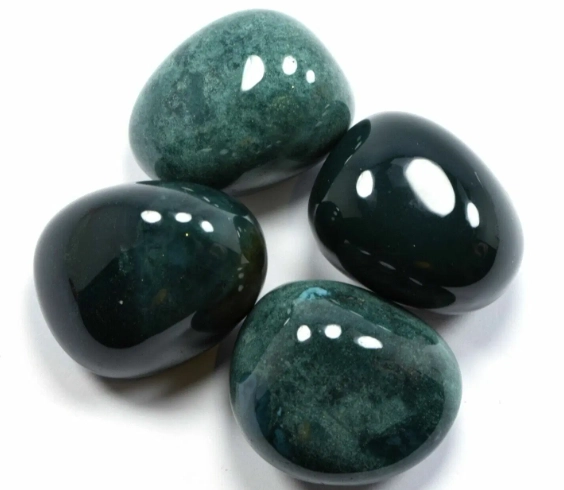
How Rare Is Green Jasper? A Complete Guide to Its Scarcity & Value