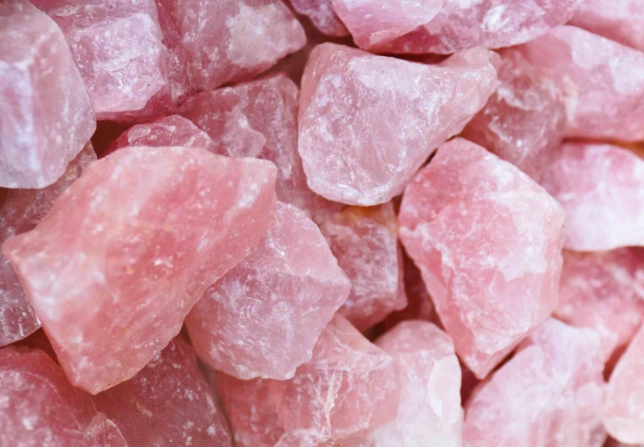
Ask ten people what jade is best for, and you'll get ten different answers. A jewelry lover points to her necklace. A meditation teacher holds up a palm stone. A collector discusses investment-grade pieces. They're all right, but they're only seeing one piece of the puzzle.
After years of working with stones, I've seen too many people buy jade for the wrong reason. They get a vibrant green pendant expecting instant tranquility, or purchase a cheap carved statue hoping it's a financial ticket. The disappointment is real. Jade isn't a magic bullet; it's a specialized tool. Its value lies in specific applications where its unique physical and energetic properties outperform other materials.
So, what is jade truly best for? In essence, jade excels in three interconnected realms: as a profound aid in spiritual and energetic practices, as a superior material for durable and meaningful jewelry and adornment, and as a respected store of value and artistic beauty in collectibles and decor. Understanding which type of jade (nephrite vs. jadeite) fits which purpose is where most beginners stumble.
What You'll Discover in This Guide
- Jade's Core Identity: More Than Just a Pretty Stone
- The Spiritual & Energetic Uses of Jade (Where It Truly Shines)
- Jade in Jewelry & Personal Adornment: Beauty with Purpose
- Jade as a Collectible & Decorative Element
- How to Choose the Right Jade for Your Intended Use
- Common Misconceptions & Jade Buying Pitfalls
- Your Jade Questions, Answered
1. Jade's Core Identity: More Than Just a Pretty Stone
First, a critical distinction. "Jade" refers to two distinct minerals: nephrite and jadeite. Confusing them is the first major mistake. Their best uses differ significantly.
Nephrite is tougher. I mean, historically tough. Ancient Chinese craftsmen used it for tools and weapons. Its interlocking fibrous structure makes it incredibly resistant to breakage. Energetically, it's often described as having a quieter, more nurturing, and stabilizing vibration. It's the classic "mutton fat" and spinach green jade.
Jadeite is harder but slightly more brittle. It's the dazzler, coming in a wider color range—the iconic imperial green, vibrant lavenders, and bright yellows. Its crystalline structure gives it a brighter, more "electric" energy in metaphysical terms. Most high-end auction pieces are jadeite.
Why does this matter? If you want a daily-worn bracelet that can withstand knocks, nephrite's durability is best. If you seek a pendant for heart-opening meditation, the specific vibration of a lavender jadeite might be your target. The material dictates the optimal use.
2. The Spiritual & Energetic Uses of Jade (Where It Truly Shines)
This is where jade moves beyond ornamentation. Across Asian, Mesoamerican, and Maori cultures, jade was revered as a spiritual conduit. It wasn't just symbolic; the stone's physical coolness and smooth touch made it a perfect focal point for ritual.
Best for Promoting Emotional Balance & Heart-Centered Calm
Jade's most celebrated spiritual use is as an emotional balancer. Its energy is consistently linked to the heart chakra. Unlike more stimulating crystals like citrine, jade's frequency is cooling and pacifying. I recommend it to clients who feel emotionally "overheated"—prone to anxiety, quick frustration, or jealousy. Holding a polished nephrite palm stone can feel like a deep, calming exhale.
A Practical Ritual: Try this instead of generic meditation. Lie down and place a flat jade disk or palm stone over your heart center. Don't try to clear your mind. Just focus on the physical sensation of the cool, smooth weight. More often than not, the mind settles on its own following the body's lead. This direct, somatic approach leverages jade's physicality for spiritual effect.
Best for Attracting Gentle Abundance & Luck
The concept of jade attracting luck and abundance is ancient. But it's not a "get rich quick" energy. Think of it as attracting alignment—opportunities for growth, harmonious relationships, and sustainable prosperity. It's said to work by fostering wisdom and discernment in the wearer, helping you recognize and seize the right chances. A common practice is to keep a small jade figurine, like a pi disc or a lucky charm, in your wealth corner (the southeast area of your home or desk) according to Feng Shui principles.
Best for Long-Term Spiritual Protection & Grounding
Jade's toughness translates energetically into a protective shield. It's not an aggressive protector like black tourmaline. Instead, it's believed to create a gentle, resilient barrier that deflects negativity while maintaining your own inner peace. Many travelers carry a piece of jade as a talisman for safe journeys. Its grounding property is also underrated. While not as heavy as hematite, a jade bracelet worn daily can provide a subtle, constant connection to stabilizing earth energy, perfect for those who feel scattered or ungrounded.
3. Jade in Jewelry & Personal Adornment: Beauty with Purpose
Jade jewelry isn't just decorative; it's functional art. Its material properties make it ideal for specific types of wear.
Best for Everyday Wear (Rings & Bracelets): Thanks to its exceptional toughness (especially nephrite), jade can handle the daily bumps and scrapes that would chip or scratch many other gemstones. A jade bangle is a lifetime piece. I've seen 70-year-old heirloom bangles with a glorious patina from decades of wear—minor surface scratches that only add to its character. You can't say that about an emerald or a tanzanite ring.
Best for Symbolic & Meaningful Adornment: Jade carvings are dense with symbolism. A pendant isn't just a green blob; it's a bi disc symbolizing heaven, a lotus for purity, or a dragon for power and good fortune. Wearing jade becomes a personal statement and a reminder of your intentions. This layers its aesthetic beauty with deeper significance.
Best for "Worry Stones" & Tactile Comfort: The sublime, waxy-smooth polish achievable on jade is perfect for objects meant to be touched. A worry stone or a small palm stone made of nephrite provides a tangible, calming focus for anxious hands or a wandering mind during stressful moments. Its thermal conductivity means it warms slowly to your touch, creating a personal connection.
4. Jade as a Collectible & Decorative Element
Beyond the personal, jade holds court as a serious artistic and collectible medium.
Best for High-Value Artistic Carvings & Collectibles
Fine jade carving is a pinnacle of lapidary art. The material's toughness allows for incredibly detailed, delicate work that remains durable. A master-carved jadeite scene or a Song-style nephrite vessel represents centuries of cultural artistry. For collectors, top-quality imperial green jadeite with excellent transparency and color saturation has consistently appreciated in value, acting as a tangible asset. Auction houses like Sotheby's and Christie's regularly feature jadeite jewelry and carvings that fetch millions.
Best for Creating a Sense of Serene Harmony in Decor
A jade object in a room does more than sit on a shelf. Its color and sheen bring a sliver of serene, natural beauty indoors. A simple polished jade sphere on a desk, a small carved mountainscape on a bookshelf, or even jade-inlaid furniture introduces an element of calm, organic elegance. In Feng Shui, jade plants (often made from nephrite) are used to attract vibrant, growing energy to a space.
5. How to Choose the Right Jade for Your Intended Use
Matching the stone to the goal is everything. Here’s a straightforward breakdown.
For Daily Spiritual Practice or Worry Relief: Go for nephrite. Its durability and lower cost mean you can get a good-sized, polished palm stone or smooth bracelet without worry. Focus on the feel in your hand—it should be comforting, not the most vivid color.
For a Statement Jewelry Piece or Heart Chakra Work: Look into jadeite. Its broader color palette offers more symbolic choice. Lavender for spirituality, green for heart healing, white for purity. Remember, for jewelry, craftsmanship (the setting, the polish) is as important as the stone itself.
For an Heirloom or Investment: This is where quality trumps everything. You want fine jadeite with exceptional color, transparency, and minimal flaws. Certification from a reputable lab like the GIA (Gemological Institute of America) is non-negotiable. Don't buy for investment from Instagram or a random tourist market. Period.
For Home Decor with Feng Shui Intent: A beautifully carved nephrite object is perfect. It's authentic, carries the energetic weight, and is more affordable for a decorative piece than high-end jadeite. A pair of nephrite guardian lions by the door carries the same symbolic power as a costlier version.
6. Common Misconceptions & Jade Buying Pitfalls
Let's clear the air. I've made some of these mistakes myself early on.
The "All Green Stones Are Jade" Error: Serpentine, aventurine, and even dyed quartz get passed off as jade. If the price seems too good for a large, perfectly green item, it probably is. Real jade has a distinctive, dense feel and a waxy, rather than glassy, luster.
The "Darker Green Means Better" Trap: In jadeite, a vivid, even, medium-tone green (imperial green) is top tier. A cheap, dark, murky green piece is not valuable. With nephrite, color is less important than texture and purity. A fine, even "mutton fat" white nephrite can be more valuable than a poor-quality green one.
The "It Will Fix Everything" Expectation: Jade is a tool, not a cure. Buying a bracelet won't dissolve chronic anxiety if you're not also engaging in practices that address it. The stone supports your intention; it doesn't replace your effort.
My Personal Rule: Buy the seller first, then the stone. A knowledgeable, transparent dealer who educates you is worth their weight in gold—or jade.
7. Frequently Asked Questions (FAQ)
Is jade or rose quartz better for attracting love?
They work differently. Rose quartz is like a warm hug, opening you to give and receive all forms of love. Jade's approach is more about creating the internal stability and self-love (heart chakra balance) that makes you a magnet for healthy, harmonious relationships. For attracting a stable, long-term partnership, I often suggest jade. For healing a broken heart or fostering self-compassion, I'd start with rose quartz.
Can I wear jade every day, including in the shower?
Wearing it daily is fine and actually recommended to build a connection. The shower is a gray area. While jade is chemically stable, prolonged exposure to soaps, shampoos, and hard water can slowly dull its polish over years. It's also physically risky—banging a bangle against a tile is a heart-stopping moment. I advise taking it off. A simple rule: if you'd take off your gold ring, take off your jade.
What's the biggest mistake people make when buying jade for spiritual use?
They prioritize visual perfection over energetic feel. They'll buy a flawless, glassy-looking bead online that feels inert and dead in the hand, ignoring a slightly more textured, less "perfect" piece that hums with a calming vibration. Always try to hold it first. If you can't, buy from a source that accepts returns. The right stone should feel somehow "right" to you—cool, soothing, and pleasantly heavy.
How can I tell if my old jade piece is nephrite or jadeite?
Without lab tools, it's tricky. Some clues: Nephrite often has a more fibrous, sugary look under a loupe and a softer, waxier luster. Jadeite tends to have a brighter, more vitreous (glassy) polish and a granular structure. Heirloom Chinese carvings are more likely nephrite. A piece with brilliant emerald-green spots is almost certainly jadeite. For certainty, a gemologist can perform a refractive index test, which is definitive.
Does jade really "nourish" or change the body over time, as some traditions say?
From a strictly scientific view, no, it doesn't leach minerals into your skin. However, the persistent belief points to a subtler truth. The constant, gentle pressure and cool touch of a jade bangle can be a mindful reminder to stay calm and centered. The ritual of caring for a precious object can improve self-care habits. In this way, through psychology and ritual, it truly can "nourish" your well-being over time. The change happens in you, prompted by the stone.
Related Articles
Obsidian Crystal Meaning: Your Ultimate Guide to Protection & Clarity
White Moonstone: Ultimate Guide to Meaning, Uses & Healing Properties
Who Should Not Wear Lapis? A Complete Guide to Lapis Lazuli Safety
Ruby in 2024: Why It's Still a Top Choice for Modern Web Development
Tigers Eye Meaning: Unlock Healing, Protection & Clarity