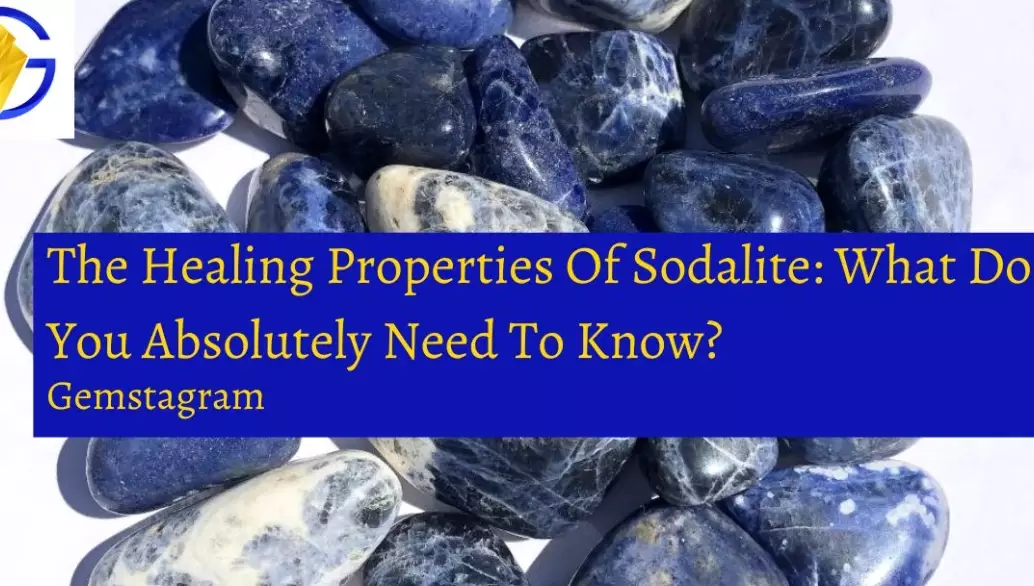
I still recall the first time I held a piece of red jasper—it felt warm, earthy, and oddly comforting, like a secret handshake from nature. That moment sparked a decade-long journey into the world of jasper stones, and I've seen everything from stunning specimens to disappointing fakes. If you're curious about these crystals, you're in the right place. This guide cuts through the fluff to give you practical, expert-backed insights on jasper types, uses, and how to avoid common pitfalls.
What You'll Learn
What Are Jasper Stones?
Jasper is a type of chalcedony, a microcrystalline quartz, known for its opaque appearance and vibrant patterns. It forms over millions of years from mineral-rich sediments, often near volcanic activity. Unlike other crystals, jasper stones are prized for their durability and earthy vibe—they're not just pretty rocks; they're tools for grounding and stability.
Many beginners assume jasper is all red and boring. That's a myth. I've collected jasper from various regions, and each piece tells a unique geological story. For instance, some jasper from Oregon has intricate orb patterns, while African jasper tends to be more uniform. The key is understanding its composition: silica deposits mixed with iron oxides create those rich reds and browns, while other minerals add greens and blues.
Why does this matter? If you're using jasper for healing or decor, knowing its origins helps you connect better. A study from the Gemological Institute of America notes that jasper's variability makes it a favorite among collectors, but it also means quality varies widely. Don't just grab the first piece you see; dig deeper.
The Most Popular Types of Jasper Stones
Let's break down the common types. I've handled hundreds, and here are the ones worth your attention.
Red Jasper: The Grounding Classic
Red jasper is often the entry point for newcomers. It's abundant, affordable, and packs a punch for stress relief. I keep a small tumble stone in my car—it helps during traffic jams. Colors range from brick red to deep crimson, with a matte finish that feels rustic. Avoid pieces that look too shiny; they might be polished beyond recognition.
Picture Jasper: Nature's Canvas
Picture jasper is like a landscape painting in stone. It features bands and swirls that resemble deserts or forests. I have a slab on my desk that looks like a miniature canyon. It's porous, though, so handle with care. Great for creativity; artists love it for inspiration.
Ocean Jasper: The Rare Beauty
Ocean jasper, from Madagascar, is a crowd-pleaser with its orb patterns and pastel colors. It's pricier and harder to find. I once paid a premium for a piece that turned out to be lower quality—lesson learned. Always check for vendor reviews. This type is ideal for emotional balance, but don't fall for overhyped marketing.
Other Noteworthy Types
Brecciated jasper: Angular fragments cemented together; looks chaotic but promotes courage. Yellow jasper: Sunny and uplifting, perfect for gloomy days. Dalmatian jasper: Speckled like a dog's coat; fun for kids or playful energy.
A quick comparison: Red jasper is your everyday workhorse, picture jasper is for artistic souls, and ocean jasper is a luxury treat. Choose based on your budget and intent.
How Jasper Stones Can Improve Your Life
Jasper stones aren't magic pills, but they offer tangible benefits when used mindfully. From my experience, they work best as complementary tools for wellness.
Physical and Emotional Healing: Red jasper is renowned for boosting stamina and circulation. I've used it during workouts to feel more energized. Emotionally, jasper stones provide stability—picture jasper can ease anxiety by connecting you to nature. A friend of mine carries a piece during flights to combat travel stress.
Spiritual and Decorative Uses: In meditation, hold a jasper stone to ground your thoughts. For home decor, place larger specimens in living spaces. I have a brecciated jasper bookend that doubles as a conversation starter. Avoid cluttering; one or two pieces per room maintain energy flow.
Research from the International Gem Society suggests that crystals like jasper can influence mindfulness practices, though scientific evidence is limited. The real value lies in personal ritual. Try placing jasper under your pillow for better sleep, or wear it as jewelry for constant contact.
Choosing the Right Jasper Stone: A Practical Guide
Selecting jasper can be overwhelming. Here's a step-by-step approach I've refined over years.
First, identify your goal. Are you seeking stress relief, creativity, or just aesthetic appeal? For stress, go with red or yellow jasper. For creativity, picture jasper is superb. For decor, consider color schemes—green jasper complements earthy tones.
Second, assess quality. Look for natural patterns and avoid overly perfect stones. Real jasper has imperfections like inclusions or slight roughness. I recommend buying from reputable sellers like local gem shops or trusted online stores with return policies. Don't cheap out; a $5 piece might be dyed glass.
Third, consider size and form. Tumble stones are great for pockets, while raw chunks suit displays. I started with small tumbles and gradually invested in larger pieces. Here's a tip: Hold the stone in your hand. If it feels warm or resonant, it's likely a good match. Trust your intuition.
Finally, budget wisely. Prices range from $10 for basic tumbles to $100+ for rare types. Set a limit and stick to it. I've seen beginners overspend on fancy jasper only to neglect its care.
Cleaning and Charging Your Jasper Stones
Maintenance is crucial but often botched. Here's how to do it right.
Cleaning: Use lukewarm water and a soft cloth. Avoid harsh chemicals or salt baths—they can damage porous jasper like picture jasper. I learned this the hard way when a favorite piece developed cracks. For stubborn dirt, a mild soap solution works. Dry thoroughly to prevent water spots.
Charging: Recharge energy by placing jasper in moonlight overnight. Sunlight can fade colors, so skip it. Some people use sound bowls or burial in soil, but moonlight is simplest. I charge mine during full moons and notice a renewed vibrancy.
Frequency: Cleanse every two to four weeks, or when the stone feels heavy. Over-cleansing is a common error; it can weaken the stone's natural properties. Listen to your intuition—if it looks dull or feels off, it's time for a refresh.
Common Mistakes to Avoid with Jasper Stones
Even experts slip up. Here are pitfalls I've encountered and how to dodge them.
Mistake 1: Assuming all jasper is the same. Each type has unique traits. Red jasper won't give you the creative boost of picture jasper. Research before buying.
Mistake 2: Neglecting care. Jasper is durable but not indestructible. Store it separately to prevent scratches. I once tossed jasper with harder crystals and ended up with nicks.
Mistake 3: Over-relying on healing properties. Jasper stones support wellness but aren't substitutes for medical advice. Use them as supplements, not cures.
Mistake 4: Buying based on looks alone. A stunning piece might be low-quality or fake. Always verify authenticity through texture and weight tests.
My advice: Start small, learn gradually, and don't be afraid to make mistakes. I've had duds in my collection, but they taught me more than perfect specimens ever could.
Frequently Asked Questions
Jasper stones offer a blend of beauty and functionality that's hard to match. Whether you're a newbie or a seasoned collector, focus on authenticity and purpose. Dive in, experiment, and let these earthy gems enhance your journey. Remember, it's not about having the most stones—it's about finding the ones that resonate with you.
Related Articles
Orange Sapphire Benefits: Why This Gemstone is a Must-Have
Master Crystal Identification: Expert Guide & Practical Tips
Moss Agate: A Real Gemstone with Ethereal Beauty
Who Should Avoid Moss Agate? 5 Groups & Key Reasons

Storage giants compete for HBM.