What You Need to Know
Malachite is a green mineral that has been used for centuries in jewelry. It is a beautiful stone that has been used for centuries in jewelry. It is a beautiful stone that has been used for centuries in jewelry. Malachite properties go beyond its stunning green bands—this crystal packs a punch for emotional healing and practical uses. I first stumbled upon malachite during a stressful period, and its energy felt like a gentle nudge toward change. But let's cut to the chase: what makes malachite so special, and how can you use it effectively without falling for common myths?
This guide dives deep into malachite properties, covering everything from its physical traits to healing benefits. You'll learn how to integrate it into your life, avoid pitfalls, and make the most of this transformative stone.
What Are the Physical Properties of Malachite?
Malachite is a copper carbonate mineral, often found in vibrant green shades with unique banding patterns. Its chemical formula is Cu₂CO₃(OH)₂, and it forms in botryoidal or stalactitic masses. When you hold a piece, notice its weight—it's denser than many crystals, with a specific gravity around 3.9-4.0.
The color ranges from light green to deep emerald, depending on copper content. Those bands aren't just pretty; they're growth rings that tell a story of mineral deposition over time. In terms of hardness, malachite scores 3.5-4 on the Mohs scale. That means it's relatively soft and can scratch easily. I learned this when a malachite pendant got scuffed in my jewelry box—now I store it separately.
Color and Appearance
Malachite's green comes from copper ions. The bands form due to varying oxidation states during crystallization. High-quality pieces have sharp, contrasting bands, while lower grades may appear muddy. For jewelry, look for polished cabochons that showcase the patterns. Raw specimens often have a velvety texture, but they're more fragile.
One thing beginners miss: malachite can fade with prolonged sunlight exposure. Keep it out of direct sun to preserve its color.
Hardness and Durability
With a hardness of 3.5-4, malachite is softer than quartz (7) or diamond (10). This affects how you use it. Avoid wearing malachite rings for daily tasks—they'll wear down quickly. Pendants or earrings are safer choices. Also, malachite is sensitive to acids and heat. Don't clean it with harsh chemicals; even lemon juice can damage the surface.
I once saw a friend ruin a malachite sphere by placing it near a heater. The heat caused cracks. Store it in a cool, dry place.
How to Use Malachite for Healing Properties
Malachite is renowned in crystal healing for its transformative energy. It's said to absorb negative emotions and promote emotional release. But here's a non-consensus view: malachite isn't a quick fix. It works best when you pair it with intention and action. Don't just carry it and expect miracles—use it as a tool for self-reflection.
Many resources tout malachite for general healing, but few address its intensity. For sensitive people, it can feel overwhelming. Start with short periods, like 10 minutes a day, and observe how you react.
Emotional Healing Benefits
Malachite helps release past traumas and negative patterns. It's often used for anxiety, stress, and emotional blockages. Place it over the heart chakra during meditation to encourage openness. I've found it useful for breaking old habits—like when I quit procrastinating by keeping a malachite stone on my desk.
However, be cautious. Some users report vivid dreams or emotional upheaval initially. This is normal as the stone brings issues to the surface. If it feels too intense, pair it with a calming stone like rose quartz.
Physical Healing Applications
In alternative therapy, malachite is believed to aid physical ailments like arthritis, inflammation, and menstrual cramps. It's thought to support the immune system and detoxification. But let's be real: malachite isn't a substitute for medical treatment. Use it complementarily, not as a cure.
For pain relief, try placing a cleansed malachite on the affected area for 15 minutes. Ensure the skin is clean to avoid irritation. I've heard from practitioners that it works well for joint pain, but results vary. Always consult a healthcare professional for serious conditions.
Malachite in Lifestyle and Decor
Beyond healing, malachite adds a touch of elegance to spaces. Its rich green hues complement various decor styles, from modern to bohemian. But there's a catch: malachite can be pricey, especially for large pieces. Opt for smaller accents if you're on a budget.
I decorated my home office with a malachite bookend—it boosts focus and looks stunning. But avoid overdoing it; too much green can feel overwhelming.
Jewelry and Accessories
Malachite jewelry is popular for its beauty and purported benefits. When buying, check for authenticity. Synthetic malachite exists and lacks the natural bands. Genuine pieces have irregular patterns and slight imperfections.
For daily wear, choose settings that protect the stone, like bezel settings in rings. Pendants and bracelets are less prone to damage. Clean jewelry gently with a soft cloth. My go-to necklace has a malachite pendant that I wear during stressful meetings—it's a subtle reminder to stay calm.
Home Decor Ideas
Incorporate malachite through decor items like coasters, vases, or small sculptures. Place them in areas where you need emotional balance, such as the living room or meditation space. Avoid bedrooms, as malachite's energy might disrupt sleep for some people.
A fun idea: use malachite slices as wall art. They catch light beautifully and add a natural element. I've seen them in boutique hotels, creating a luxurious vibe.
Common Mistakes When Using Malachite
After years of working with crystals, I've noticed recurring errors with malachite. One big mistake is neglecting cleansing. Malachite absorbs negativity, so it needs regular clearing. But don't use water or salt—it's porous and can degrade. I ruined a tumbled stone by soaking it in saltwater; it became dull and chalky.
Another pitfall: using malachite without setting intentions. It's not a passive tool. Hold it and state your purpose, whether for healing or focus. Otherwise, its energy might feel scattered.
Also, people often buy low-quality malachite treated with dyes or resins. Inspect pieces under light; natural malachite has depth and variation. If it looks too perfect, it might be fake.
Your Malachite Questions Answered
Malachite properties offer a blend of beauty and functionality. Whether you're seeking emotional healing or a decor upgrade, this crystal has much to offer. Remember to use it mindfully, cleanse it regularly, and enjoy the journey of transformation. Got more questions? Share your experiences in the comments—I'd love to hear how malachite has worked for you.
Related Articles
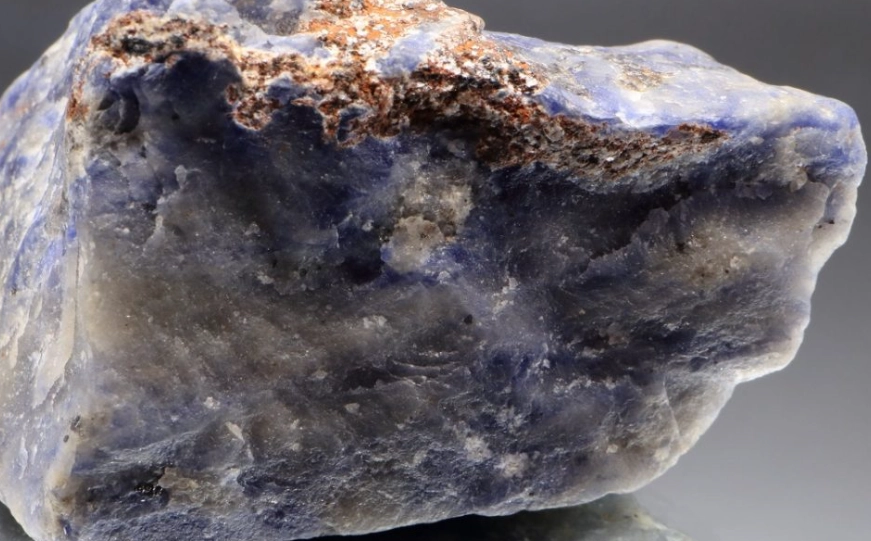
Sodalite: The Ultimate Guide to Meaning, Uses, and How to Spot Fakes
Indigo Gabbro Spiritual Meaning: The Ultimate Guide to Energy, Uses & Truth
White Sapphire: The Smart Diamond Alternative Guide & Buying Tips
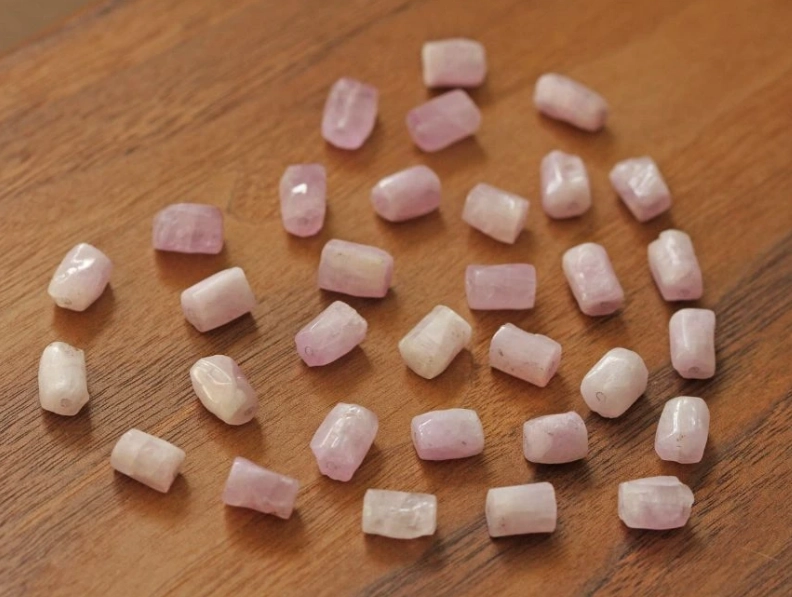
Unlock the Heart-Opening Power of Kunzite Crystal Benefits
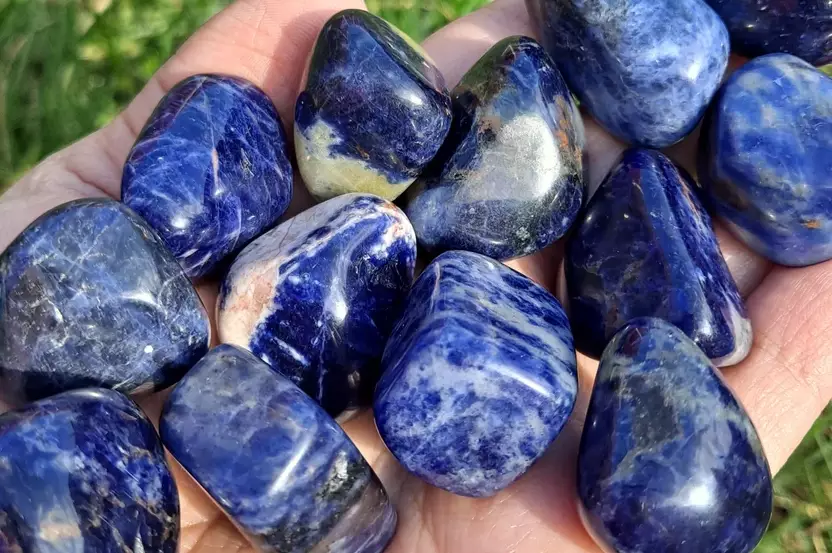
Crystal Sodalite Benefits: Healing, Protection & Practical Uses