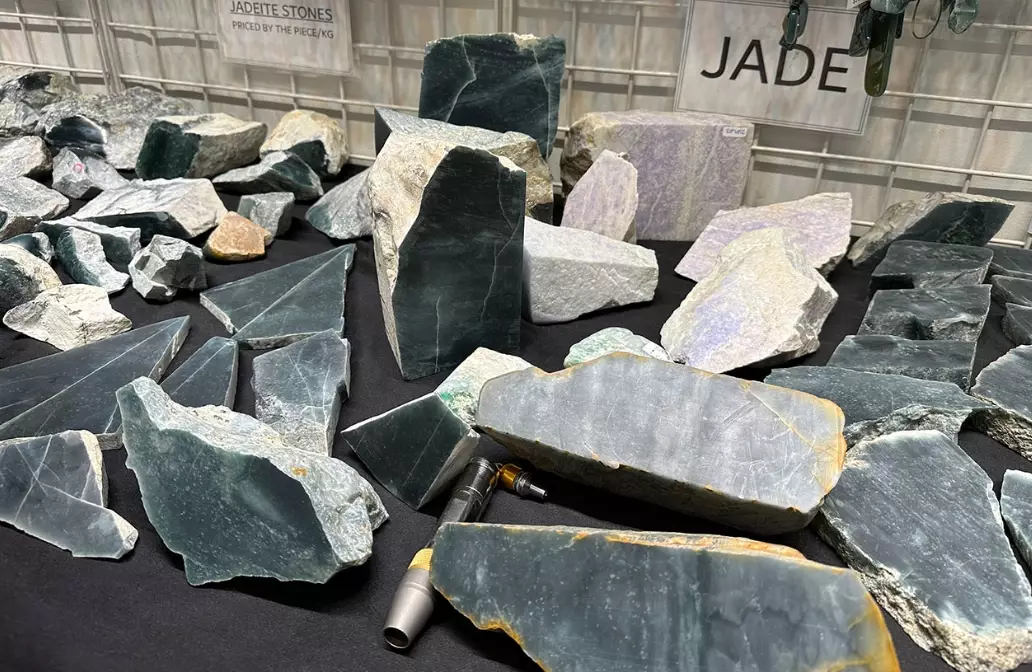
I've been collecting gemstones for over ten years, and yellow sapphire is one that always surprises people. It's not just a pretty yellow stone—it's a corundum with a hardness of 9 on the Mohs scale, making it incredibly durable for jewelry. But here's the thing: most guides miss the subtle details that matter. Let me cut through the noise and give you the real scoop.
Jump to What You Need
What Exactly is Yellow Sapphire?
Yellow sapphire is a variety of corundum, the same mineral family as ruby and blue sapphire. Its color comes from trace elements like iron. Unlike citrine or topaz, it has a distinct brilliance that holds up under light. I remember buying my first piece—a small pendant from Sri Lanka—and being stunned by how it caught the sun.
Gemologically, it's classified as a precious gemstone. The Gemological Institute of America (GIA) provides detailed grading reports that are crucial for verification. Many sellers skip this, but always ask for certification to avoid fakes.
Quick fact: Natural yellow sapphire is rarer than blue, but heat treatment is common to enhance color. If you're paying top dollar, ensure it's untreated or disclosed.
The Real Deal on Yellow Sapphire Healing Properties
In crystal healing, yellow sapphire is linked to prosperity and mental clarity. But let's be honest—some claims are exaggerated. From my experience, it works more as a focus tool than a magic wand. People often expect instant wealth, but it's about aligning intentions.
Metaphysically, it's said to stimulate the solar plexus chakra. I've used it during meditation sessions, and it does bring a sense of confidence. However, don't rely on it alone; combine it with practical actions. A common mistake is wearing it without cleansing, which can dull its energetic effect.
How to Use It Effectively
Wear it as a ring on the index finger for business success, or place it on your desk to reduce distractions. I've seen clients boost productivity this way. But avoid overloading—one stone is enough.
How to Buy a Yellow Sapphire Without Getting Scammed
Buying yellow sapphire can be tricky. Prices vary wildly based on origin, treatment, and quality. Here's a step-by-step approach I've refined over years.
Understanding the 4 Cs for Yellow Sapphire
Color is king—look for a vivid, even yellow without brownish tints. Clarity matters less than in diamonds; slight inclusions are normal. Cut affects brilliance; oval and cushion cuts are popular. Carat weight: sizes from 0.5 to 5 carats are common for jewelry.
I once bought a stone online that looked perfect in photos but arrived cloudy. Lesson learned: always request videos or in-person inspection.
Where to Buy: Trusted Sources vs. Red Flags
Reputable dealers include established jewelers or platforms like James Allen, which offer 360-degree views. Avoid marketplaces with no return policies. Check for GIA or AGL certifications. For industry insights, the International Colored Gemstone Association (ICA) publishes reports on gem trends—useful for spotting scams.
| Origin | Typical Color | Price Range per Carat (USD) | Notes |
|---|---|---|---|
| Sri Lanka | Bright yellow | $200 - $800 | High clarity, often untreated |
| Madagascar | Golden yellow | $100 - $500 | More affordable, may be heated |
| Australia | Greenish-yellow | $50 - $300 | Less common, unique hue |
Set a budget. For a decent 1-carat stone, expect to pay around $300-$600. Don't chase size; a smaller, clearer gem looks better.
Keeping Your Yellow Sapphire Sparkling: Care and Maintenance
Yellow sapphire is tough but not indestructible. Clean it monthly with mild soap and water—avoid ultrasonic cleaners if it has fractures. Store separately to prevent scratches.
I've repaired jewelry where stones were damaged by harsh chemicals. One client used bleach, and the setting corroded. Stick to gentle methods.
Long-Term Storage Tips
Keep it in a soft pouch away from sunlight. Prolonged UV exposure can fade treated stones. If you travel, use a hard case.
Debunking Common Yellow Sapphire Myths
Myth 1: All yellow sapphires are natural. Nope—many are heat-treated to improve color. This isn't bad, but it should be disclosed.
Myth 2: It guarantees wealth. That's oversimplified. It's a tool, not a guarantee. I've seen people disappointed when they expect miracles.
Myth 3: Bigger is always better. Quality trumps size. A 2-carat cloudy stone is worth less than a 1-carat vivid one.
Your Yellow Sapphire Questions Answered
Related Articles
Malachite Properties: Healing Benefits, Uses, and Care Guide
Labradorite Crystal Meaning: Healing, Magic & Practical Uses
Obsidian Benefits: Transform Your Note-Taking and Knowledge Management
The Rarest Kunzite Color: A Collector's Guide
Green Moss Agate: A Complete Guide to Its Healing Properties & Uses